REVIEW · ROSTOCK
Warnemünde Shore Excursion: Private Tour of Berlin’s World War II and Cold War Sites
Book on Viator →Operated by Insider Tour Berlin · Bookable on Viator
Berlin has two heavy stories.
This Warnemünde shore excursion is a full-day, private Berlin walk-and-ride built around the places you actually need to see to make World War II and Cold War history make sense. I like the port pickup and drop-off side of it, and I also like that the day can be shaped around what you care about most—Nazis, the Wall, or the spaces in between. It’s not a rushed checklist; it’s designed for the kind of focus that turns big names like Checkpoint Charlie into real, visitable places.
What I really like is the combination of private transport and a dedicated guide time window. You get a private vehicle, then a local guide for 6 hours, with the rest of the day used to get you from site to site without wasting your energy. In several guide matches I’ve seen highlighted—people like Glen, Nicholais, Cian, Ashleigh, Anne, Nigel, Uly, and Brian—the common thread is making your wish list happen, with commentary that ties the monuments to how Berlin lived and fought through the decades.
One thing to consider: this day is long. Expect roughly 12 hours total, including about 2.5 hours each way driving from Warnemünde to central Berlin, plus site stops that are meaningful but brief. If you’re sensitive to long transit days or you need very specific accessibility planning, you’ll want to set expectations up front.
In This Review
- Key takeaways before you book
- Warnemünde to Berlin: the private drive that sets the tone
- Picking your focus: how you can shape the WWII vs Cold War day
- Führerbunker and the Nazi final days: what you can learn even without the bunker
- Checkpoint Charlie and the Berlin Wall Memorial: the Cold War story in physical form
- East Side Gallery: street-level symbolism you can actually walk through
- Reichstag building: why the dome stop is more than a skyline moment
- Holocaust Memorial and German Resistance Center: where the tour slows down for meaning
- Soviet Memorial Tiergarten and Prenzlauer Berg Stasi/NKVD: the Cold War isn’t one side only
- Food, timing, and how to not lose your day to hunger
- Price and value: is $919 per person worth it?
- Tips to get the most from your private Berlin WWII and Cold War day
- Should you book this Warnemünde Berlin shore excursion?
- FAQ
- How long is this private shore excursion from Warnemünde to Berlin?
- What does pickup and drop-off include?
- Is this tour private or shared?
- Can I customize what we see in Berlin?
- What are the main sites included in the tour?
- Are food and drinks included?
- Is there an admission cost for the stops?
- What happens if my ship is delayed or has already departed?
- What is the cancellation window?
Key takeaways before you book
Private format with port logistics handled: pickup and return by private vehicle from Warnemünde, timed to get you back to your ship.
WWII and Cold War in one coherent loop: you’ll move between Nazi-era sites and Wall-era locations without having to re-plan.
Your guide adapts to your interests: bring a short wish list; guides like Glen and Anne are noted for making it work.
Some stops are heavy and reflective: Holocaust Memorial and resistance sites take time, even when the clock is moving.
One real risk is language or pacing on the drive: a review noted a driver who spoke only German, which reduced on-road commentary time.
Accessible needs may require proactive coordination: one wheelchair-related note flagged that accessibility details weren’t passed along.
Warnemünde to Berlin: the private drive that sets the tone
The day starts at the Warnemünde cruise port with a meet-and-greet and pickup by private vehicle. From there it’s about 2.5 hours south to Berlin, and that transit matters more than people think: it’s your runway for understanding the city’s geography and how the different eras overlap in the same neighborhoods.
In the reviews, drivers like Peter, Olaf, Herbert, and Hoger stand out for keeping everything on schedule and making the transfer feel organized rather than stressful. One review praised a driver for humor and for answering questions on the way, which is a good hint for how you should set the mood—ask questions early, and your guide can steer the day better once you’re on foot.
If you’re thinking, Great, I’ll use the drive for history, plan for mixed results. One note said the driver assigned for the trip spoke only German, so the long ride felt less informative until the guide met the group. The tour still runs on time, but you may get more value from the on-the-road portion if your driver can communicate in English or if you’re comfortable switching into a guide-led mode once you arrive.
You can also read our reviews of more private tours in Rostock

Picking your focus: how you can shape the WWII vs Cold War day
This is a customized private tour, so you’re not locked into one strict theme. You can ask for more World War II emphasis (Führerbunker, Holocaust Memorial, resistance narratives), more Cold War emphasis (Checkpoint Charlie, Berlin Wall areas, East Side Gallery), or a balanced mix.
Why this helps: Berlin is big, and the eras are emotionally dense. A one-theme tour can be too narrow for first-time visitors who want to see how the Nazi period feeds directly into postwar division. A two-theme approach works when it’s guided well—so you understand why, for example, the Wall didn’t appear out of nowhere, and why the “border” story connects to the politics of Berlin and Germany.
Before you go, I’d do two things:
- Write a short wish list in plain language: 3 must-sees and 2 “nice if time.”
- Add one question you want answered by the end of the day, like how Berlin became the front line of the Cold War, or how resistance worked inside Nazi Germany.
Multiple reviews mention giving guides exactly that kind of wish list, and then seeing it honored. That’s the big value of private here: your day isn’t controlled by a bus group’s timing.
Führerbunker and the Nazi final days: what you can learn even without the bunker
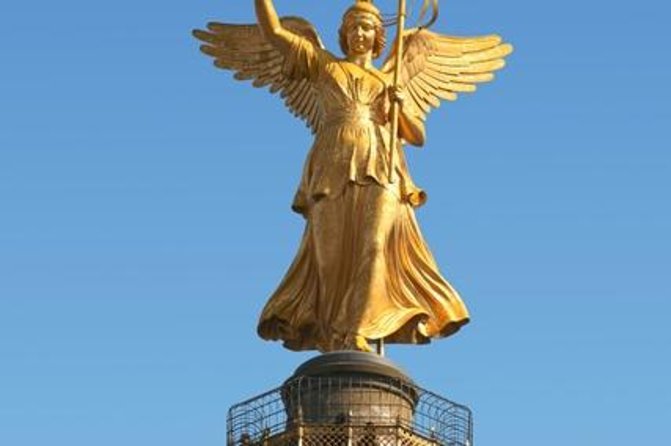
The tour’s WWII anchor is the Führerbunker stop. You’ll go to the area near Potsdamer Platz, where Adolf Hitler spent his last days in 1945. The bunker itself is no longer accessible, so don’t expect an underground walk-through.
Instead, the payoff is the guided reconstruction: your guide explains the layout and why it mattered, what the bunker complex represented for Nazi leadership during the air-war collapse, and how key decisions were made as Berlin fell. This kind of stop is powerful because it forces you to separate myth from geography—where something was, what was supposed to protect leaders, and how reality caught up.
This is also one of those stops where a strong guide makes a real difference. In the praise section, guides are repeatedly described as turning the facts into stories tied to Berlin’s streets. You’ll get more from the stop if you come prepared to listen rather than to “tour” the site like a museum exhibit.
Checkpoint Charlie and the Berlin Wall Memorial: the Cold War story in physical form
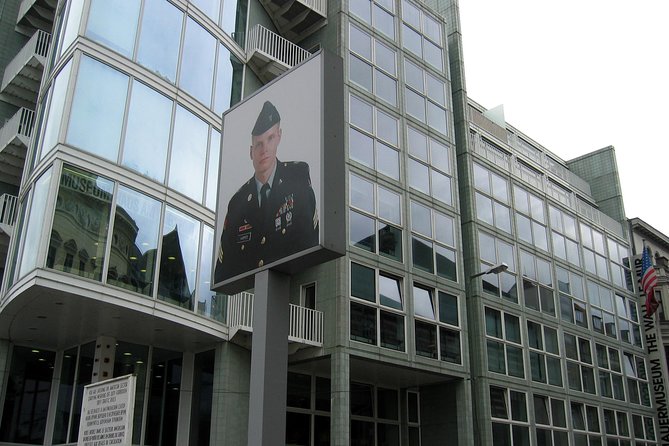
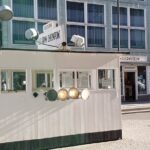
Checkpoint Charlie is the Cold War highlight most people recognize, and the tour treats it like more than a photo stop. You’ll visit the iconic former border crossing and learn what made it so tense—how escape attempts and espionage played out around this gate, and why October 1961 became such a world-shaking moment. The guide also points you to original markers and reconstructions, which helps you read the space like a map.
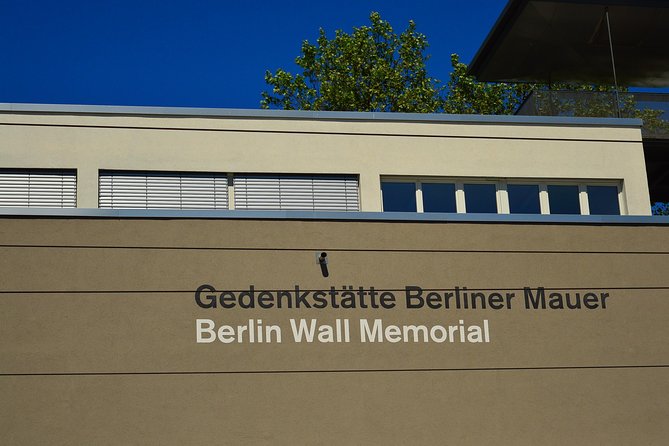
Then comes the part that often hits harder: the Berlin Wall Memorial area at Bernauer Strasse. Here you walk alongside remaining sections and see the story of division through the “death strip” concept—how the Wall cut lives, not just borders. This stop also includes a watchtower and preserved remnants, plus escape networks described through Tunnel 29 and Tunnel 57.
If you only have one day in Berlin, I like this sequence: first, the famous checkpoint (clear and dramatic), then the memorial site (personal and devastating). The contrast makes it easier to grasp why Cold War history isn’t only about treaties—it was about daily fear.
East Side Gallery: street-level symbolism you can actually walk through
After the memorial, you’ll visit the East Side Gallery, the long open-air stretch of murals along the Wall’s path. This is about the Wall’s afterlife: what the city chose to paint over the scars, and how international artists used the space to communicate freedom and unity.
The tour gives you time to walk the 1.3-kilometer mural stretch with guide commentary, including the themes behind famous artworks. The best part here is that it lets you move from the strict history of division into a visible story of change. It also gives your legs a break from constant memorial-facing while still staying emotionally connected to the Wall.
One practical note: outdoor art means weather matters. If you’re booking in colder months, dress for wind and bring a layer you can regulate. You’ll appreciate comfort more than you think when you’re walking between sites.
A few more Rostock tours and experiences worth a look
Reichstag building: why the dome stop is more than a skyline moment
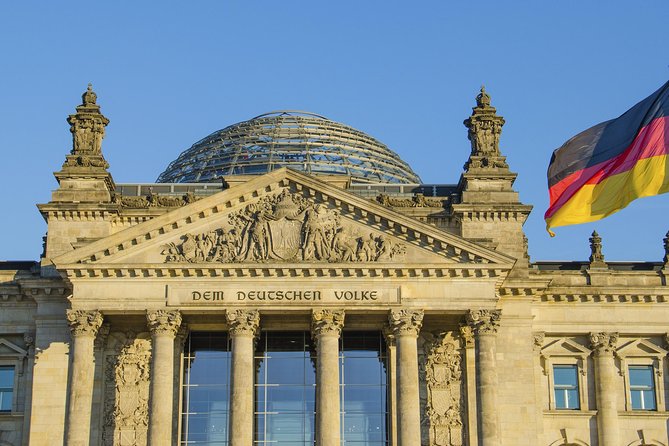
The Reichstag building stop is short on the schedule, but it carries a lot of meaning for anyone who wants the political thread across eras. You’ll learn about its role as the German parliament seat, its destruction by fire in 1933, and the building’s later restoration and symbolism after the Wall fell.
You’ll also get the glass dome angle, designed by Sir Norman Foster, which is the visual metaphor Berlin uses for transparency and return to democratic life. Even when you don’t spend a long time here, the guide can help you see why this structure became a symbol of Germany’s modern identity, not just its architecture.
If you have limited time and want to trade “more stops” for “better understanding,” this is one I’d keep. It’s a compact way to connect Nazi-era state power to today’s political function.
Holocaust Memorial and German Resistance Center: where the tour slows down for meaning
The Memorial to the Murdered Jews of Europe is a major stop and one that deserves a calm pace. You’ll walk among the stark concrete stelae and get symbolism and historical context from your guide. This isn’t light history, and that’s exactly why the memorial works: it forces your brain to experience scale and unease rather than reading only dates.
Then you move to the German Resistance Memorial Center at Bendlerblock. This shift matters. It doesn’t focus only on victims; it also shows people who resisted from inside Nazi Germany. You’ll learn about the resistance movements and the moral dilemmas faced by those who opposed Hitler, including the 1944 assassination attempt associated with Claus von Stauffenberg.
In other words, you leave the day with more than outrage. You also get a clearer picture of how resistance looked in practice, how risky it was, and how failure still formed part of the historical record.
If you want the day to feel respectful, bring a slower mental mode here. You don’t have to force deep emotions, but do set aside the habit of rushing through memorial spaces.
Soviet Memorial Tiergarten and Prenzlauer Berg Stasi/NKVD: the Cold War isn’t one side only
Berlin’s Cold War story isn’t purely Wall-versus-West. This tour reflects that with two later stops.
First is the Soviet War Memorial in Tiergarten, built in 1945 to honor Soviet soldiers who fell during the Battle of Berlin. The guide frames it as a commemoration and as a reminder of Soviet presence in Berlin during the division years. This helps you see why postwar Berlin was influenced by multiple powers, not just one.
Next is a visit in Prenzlauer Berg connected to the former NKVD and later Stasi prison on Fröbelstrasse. You’ll hear how Soviet NKVD use followed by East German Stasi control turned this into a place of interrogation and detention. This stop can feel bleak, but it’s essential if you want a fuller picture of what “Iron Curtain control” looked like on the ground.
A practical tip: if you get emotionally worn out by earlier memorial stops, take a breath between locations and lean on your guide’s explanations to keep the day coherent. The tour order helps here—Nazi-era memory first, then division-era structures, then surveillance-era detail.
Food, timing, and how to not lose your day to hunger
Food and drinks are not included, but your guide will suggest lunch options, including the possibility of a traditional German beer garden depending on your preferences. That’s useful because you’re traveling across multiple sites with a tight schedule, and you don’t want to waste time searching for food once you’re already tired.
The time structure here is also important. You’ll have a 6-hour local guide block while the rest of the day is built around driving and time-on-foot stops. If you’re prone to energy crashes, eat earlier than you think you need to, and drink water during breaks.
Also, keep your expectations realistic about stop durations. This tour moves. Some stops are brief by design, so your best strategy is to arrive with 2–3 questions you care about, not a long list of “just in case we have time” requests.
Price and value: is $919 per person worth it?
$919.02 per person is not a budget number, and it’s fair to ask what you’re buying. Here’s the value case as I see it:
- You’re paying for a true private format rather than a shared bus experience, which matters when history is heavy and you want your questions answered.
- You’re paying for port pickup and drop-off by private vehicle, plus a long round-trip drive managed so you don’t spend your day on logistics.
- You’re paying for customization plus guide time: local guide for 6 hours, where the guide can tailor the day to your interests.
- Many stops are listed with admission tickets as free for the itinerary items, which helps keep the day from turning into surprise add-on costs.
The strongest sign of value is consistency in how guides handle wish lists and timing. Reviews praise guide matches like Glen and Anne for accommodating interests and drivers like Peter and Olaf for getting groups back ahead of schedule. That’s exactly what you want on a shore day: no drama, good pacing, and a day that feels like it belongs to your group.
If you’re traveling solo, the price can feel steep. If you’re splitting costs within a small group, it becomes more sensible fast. Also check if group discounts apply to your booking setup, since that’s listed as part of the offering.
Tips to get the most from your private Berlin WWII and Cold War day
Here’s how I’d make the day work best for you:
- Share a wish list right away: your top WWII and Cold War priorities. Guides are described as adapting well to these lists.
- Ask your guide to connect sites: for example, how the political logic changed from Nazi rule to postwar division.
- Wear comfortable shoes. The tour includes multiple walking segments across memorial terrain and along wall areas.
- Plan for emotional stops: Holocaust Memorial and resistance/Soviet surveillance sites can be draining. Keep your breathing slow there.
- If you have accessibility needs, don’t assume they’re on file. One note flagged that wheelchair details weren’t mentioned to the guide, so you should confirm in advance what your route will allow.
Should you book this Warnemünde Berlin shore excursion?
Book it if you want one day that covers both World War II and the Cold War with a private guide and real control over your priorities. It’s especially worth it if Berlin is new for you and you want the big sites—Führerbunker area, Checkpoint Charlie, Berlin Wall Memorial, East Side Gallery, Holocaust Memorial, resistance, Soviet and Stasi-linked places—connected into a single storyline.
Skip or reconsider if you know you can’t handle long days and repeated walking, or if you need very specific accessibility planning that isn’t clearly confirmed. The drive time is significant, and some stops are brief, so it’s best for people who value guided context more than long museum browsing.
If that sounds like you, this is a strong way to spend a shore day in Germany: focused, organized, and built to make Berlin’s hardest chapters legible.
FAQ
How long is this private shore excursion from Warnemünde to Berlin?
The duration is approximately 12 hours for the full day.
What does pickup and drop-off include?
Port pickup and drop-off are included, with transportation by private vehicle.
Is this tour private or shared?
This is a private tour/activity, and only your group participates.
Can I customize what we see in Berlin?
Yes. You can decide to focus more on World War II history, Cold War history, or request a combination, and you can include specific requests for desired attractions at booking.
What are the main sites included in the tour?
The tour includes stops such as Führerbunker, Checkpoint Charlie, East Side Gallery, the Reichstag building, the Holocaust Memorial, the Berlin Wall Memorial at Bernauer Strasse, the German Resistance Memorial Center, the Soviet Memorial in Tiergarten, and a former NKVD/Stasi prison site on Fröbelstrasse.
Are food and drinks included?
No. Food and drinks are not included, though the guide will suggest lunch options.
Is there an admission cost for the stops?
The itinerary lists admission tickets as free for the listed stops.
What happens if my ship is delayed or has already departed?
The worry-free excursion guarantee states they will ensure timely return, and in the rare case your ship has departed they will arrange transportation to the next port-of-call. If your ship is delayed and you cannot attend, you’ll receive a refund.
What is the cancellation window?
You can cancel up to 24 hours in advance for a full refund.