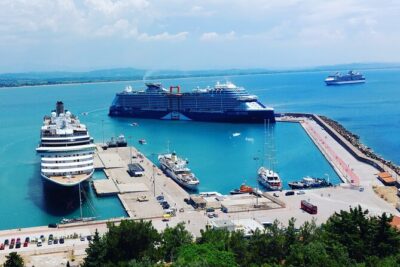
REVIEW · MUMBAI
Shore Excursion: An Indian Culinary Delight Tour
Book on Viator →Operated by Amaze Mumbai Tour · Bookable on Viator
Mumbai tastes better with a map. On this chef-led small-group tour, you get port transfers and a tight route built for shore-day timing.
My favorite part is the range. You start with South Indian and Maharashtrian snacks near Fort, then you roll straight into landmark moments and hands-on food stops like Crawford Market. The route also brings in Parsi cuisine, a distinctive Mumbai tradition tied to Iran since the 17th century, served as rice with lentils or curry.
One catch: if you need gluten-free meals, this tour doesn’t offer gluten-free options. Alcohol isn’t included (non-alcoholic drinks are), though you can purchase it on your own.
In This Review
- Key Things That Make This Mumbai Food Tour Worth It
- Why Mumbai Street Food Fits a 4-Hour Shore Excursion
- The Port Authority Start: Easy Meeting, Less Guesswork
- Fort-Area First Bites: South Indian and Maharashtrian Snacks
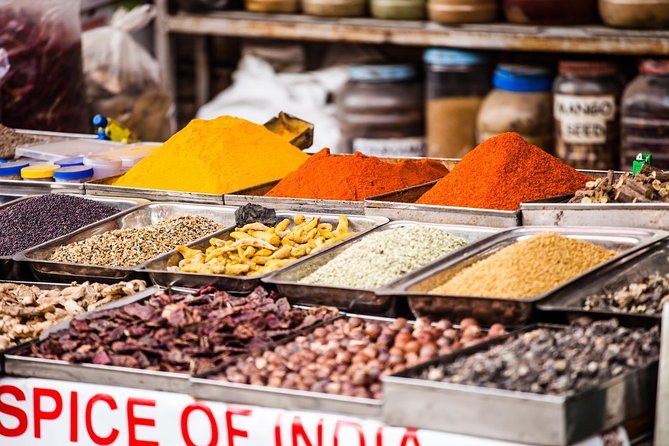
- Crawford Market: Where Spices and Handicrafts Actually Matter
- The Drive-By Sights: Gateway of India and Chhatrapati Shivaji Terminus
- Colaba to Fort: North-Indian Bites and Coastal-Inspired Flavors
- The Parsi Cuisine Stop: A Mumbai Story You Can Taste
- Desert Finale: The Sweet Finish That Makes the Whole Tour Feel Complete
- Food, Drinks, and What’s Actually Included (So You Can Judge Value Fast)
- Group Size, Personal Attention, and the Dinesh Factor
- Who This Mumbai Culinary Delight Tour Is Best For
- Should You Book This Indian Culinary Delight Tour?
- FAQ
- How long is the Mumbai culinary shore excursion?
- How much does the tour cost?
- What time does the tour start, and where is the meeting point?
- Is port pickup and drop-off included?
- What food and drinks are included in the price?
- Are gluten-free options available?
- What is the cancellation policy?
Key Things That Make This Mumbai Food Tour Worth It
- Certified-chef guiding (Dinesh): tastings come with real food logic, not just recited facts
- Cruise-friendly flow: port pickup and drop-off keep you from playing transport roulette
- Crawford Market time: spices and Indian handicrafts are part of the experience, not an afterthought
- Landmarks plus food context: Gateway of India and Chhatrapati Shivaji Terminus are explained as you travel
- Parsi food that feels specific: you get a Mumbai minority-cuisine story through what people actually eat
- Small group energy: with a max of 15, you’re more likely to get personalized attention (and sometimes a van to yourself)
Why Mumbai Street Food Fits a 4-Hour Shore Excursion
Mumbai can be intense. Cars honk, sidewalks crowd in, and the city moves at two speeds: fast and faster. That’s why I like a tour that doesn’t pretend you’ll see everything on foot. This one is built around tasting stops and short, efficient drives between sights, so you still get the city without losing half your day to logistics.
You’ll also appreciate the pacing if you’re on a cruise day. The tour starts at 10:00 am and uses port pickup and drop-off, so you’re not trying to figure out how to get from a terminal to a market with jet lag and a tight schedule. In a place like Mumbai, that alone can be worth real money in sanity.
The best part is that you don’t just “eat a bunch.” The tastings are organized by cuisine style—south Indian/Maharashtrian early on, then North-Indian-inspired bites, then coastal-leaning dishes, and finally Parsi cuisine. It makes the food feel like a guided story of the city, not random sampling.
A few more Mumbai tours and experiences worth a look


The Port Authority Start: Easy Meeting, Less Guesswork
Your tour begins at Mumbai Port Authority, 20 Shoorji Vallabhdas Rd, Kala Ghoda, Fort. The setup is meant to reduce confusion when you’re coming off a ship. Meeting at the port side matters, especially if you’ve ever watched cruise groups scatter because one person read the meeting point wrong.
One practical note: in the real world, people meet near a terminal gate. In at least one run of this tour, the group met just outside the green gate area. That’s the kind of detail that can save you time, because Mumbai ports can feel like a maze.
Because the group is limited to a maximum of 15 travelers, the “get everyone together and go” part usually feels smoother than big tours. And if your group ends up very small, you might even move around in a way that feels more private—like a van set-up, not a packed shuttle.
Fort-Area First Bites: South Indian and Maharashtrian Snacks
Early in the tour, you start near the Fort area with South Indian and Maharashtrian snacks at a restaurant stop. This is a smart first move. It warms up your palate before you hit markets and then spend the rest of the day snacking and tasting.
This opening also gives you a foundation for what comes later. The tour’s food theme emphasizes staples like flat bread and rice, with spice levels that can range from mild to very spicy. That range matters because Mumbai spice is not just about heat—it’s about flavor style. Once you’ve tasted the base sauces and breads in the first stop, the later stops make more sense.
If you’re cautious with spice, you can still enjoy the variety. A good chef guide (and this guide is described as a certified chef) will help you understand what you’re tasting and how the different styles connect. It’s also nice that the guide offers dining recommendations and adds cultural notes while you eat—so you know what you’re tasting instead of just nodding and moving on.
Crawford Market: Where Spices and Handicrafts Actually Matter
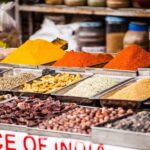
Next up is Crawford Market, described as Mumbai’s most famous marketplace. This isn’t a photo stop where you’re rushed back to the car. You get to experience the market’s energy and shop for things that connect directly to the food theme.
Here’s what Crawford Market is good for on a food tour:
- Spices: you can look for ingredients that match what you’re tasting
- Handicrafts: small Indian crafts make practical souvenirs you’ll actually use
- Culture through commerce: you see how everyday food choices are supported by local buying
Also, markets in Mumbai can be crowded and noisy. You’ll enjoy this more if you wear comfortable shoes and keep your phone secured. Plan to take your time with senses: smell is a huge part of spice shopping, and you’ll get better value if you slow down instead of rushing like it’s a department store.
If you like food history without the classroom vibe, this stop does it through objects and ingredients. It’s one of those places where the city teaches you something in five minutes that no guidebook will.
The Drive-By Sights: Gateway of India and Chhatrapati Shivaji Terminus
Between tastings, you’ll do a loop through major sights by car. The stops you pass include St. Thomas Cathedral, the Asiatic Library, Gateway of India, and Chhatrapati Shivaji Terminus (UNESCO World Heritage-listed).
You also get context, which is the point. The Gateway of India is a basalt arch overlooking the Arabian Sea, and it’s framed here as the first big landmark many travelers would have seen from the sea back in earlier times. That makes the arch feel less like a postcard and more like a marker of how Mumbai welcomed visitors.
Then there’s Chhatrapati Shivaji Terminus, an architectural standout that holds UNESCO status. A railway station might sound random on a food tour, but it fits the theme better than you’d think. Cities run on movement—people, goods, and spices. Rail and trade helped shape what kinds of food became common and what cuisines arrived and stuck around.
One thing I like about the landmark portion is that it stays time-efficient. You see the key sights without spending your limited hours standing around. It also means you can focus on eating without feeling like you’re sacrificing the food experience for sightseeing.


Colaba to Fort: North-Indian Bites and Coastal-Inspired Flavors
After the landmark section and drive through the Colaba neighborhood area, you reach another restaurant stop for North-Indian-inspired appetizers. This is where the tour starts to broaden your palate again. Earlier snacks gave you a south-and-west foundation. Now you get flavors that feel more northern in their structure—often heavier on breads and sauces.
Then the tour continues to the Fort district for coastal-inspired cuisine. The description here is clear: foods tend to be mildly spiced with a savory edge. That matters if you’re worried about getting overwhelmed by heat. It also gives you variety in texture and seasoning intensity, which keeps the later tastings from turning into the same flavor over and over.
The pacing also helps your appetite. Instead of cramming huge meals, you get multiple stops that act like checkpoints. By the time you reach the next cuisine style, your palate is ready for it.
The Parsi Cuisine Stop: A Mumbai Story You Can Taste
Now for the part that feels most “Mumbai-specific”: Parsi cuisine. The tour explains that this food tradition came to Mumbai from Iran in the 17th century. On the plate, the structure is described as rice with lentils or curry.
What I like about this stop is that it’s not just about eating a different dish. It’s about understanding how communities shaped local food. Parsi dishes reflect adaptation—people keeping a culinary identity while adjusting to what was available locally and what fit Mumbai life.
Also, rice paired with lentils or curry is a great anchor flavor. It helps you compare cuisines in a meaningful way. You can tell the difference between spice style, sauce consistency, and overall seasoning direction without needing to guess what ingredients are inside.
If you love learning through food rather than reading about it, this is the stop that clicks.
Desert Finale: The Sweet Finish That Makes the Whole Tour Feel Complete
No food tour really feels done until dessert shows up. Here, you end with a sweet treat from an Indian dessert shop. It’s a simple closer, but it matters. A sweet finish resets your palate after savory and spiced bites, and it gives you one last taste that feels like a Mumbai signature moment.
You’ll be glad it’s a final stop, because it protects you from the classic problem: when dessert arrives too early, you eat less and miss the point of the later savory flavors.
Food, Drinks, and What’s Actually Included (So You Can Judge Value Fast)
This tour includes a lot for a $75 per person price. You’re getting:
- Breakfast (yes, it’s listed as included)
- Food tasting across multiple stops
- Lunch
- Snacks and light refreshments
- Bottled water
- Non-alcoholic drinks (alcohol is not included, though you can buy it)
That’s the key for value. You’re not paying just for a guide and a car ride. You’re paying for multiple meals and structured tastings that would cost significantly more if you ordered them one by one across the city—especially in areas that cater to visitors.
Also, the port transfers matter. Shore excursions that require you to self-navigate transport often quietly eat up your budget through taxis, wasted time, or missed windows. Here, port pickup and drop-off are part of the deal, which turns the $75 into a more predictable experience.
One more practical point: gluten-free options aren’t available. If that’s your situation, this tour won’t work as written. In Mumbai, it’s easy to find food, but it’s not always easy to guarantee dietary requirements in a tour format.
Group Size, Personal Attention, and the Dinesh Factor
This tour runs with a maximum of 15 travelers, and that changes how it feels. Smaller groups mean less standing around and more direct interaction. It also makes it easier for a chef guide to adjust on the fly—like steering you toward the right snack portion or pacing you so you can keep up.
One review experience highlights guide Dinesh and his driver taking the group around the city, hitting major sites plus extras you might not know to look for. That kind of flexibility can make the day feel more like a local outing than a checklist.
So if you like tours where you learn while you go—why a place matters, what the food signals, and what to try first—this format fits that style.
Who This Mumbai Culinary Delight Tour Is Best For
I think this tour is a strong match if:
- You want Mumbai food plus major landmarks without spending the day in transit
- You’re on a cruise and want a time-managed shore day
- You like small-group attention and the kind of guidance that explains what you’re eating
- You want to go beyond generic curries and taste Parsi cuisine
It’s less of a match if you need gluten-free meals, since the tour doesn’t offer that option. Also, if you’re expecting alcohol to be part of the included experience, it isn’t. Non-alcoholic drinks are included; alcohol can be purchased separately.
Should You Book This Indian Culinary Delight Tour?
If you like your tours practical and your food guided, I’d book it. The value comes from the combination: port transfers, multiple meal stops (breakfast plus lunch), and a route that ties tastings to recognizable Mumbai sights like Gateway of India and Chhatrapati Shivaji Terminus.
The main reason to skip is simple: no gluten-free options. If that affects you, look for a different food tour format with verified dietary support.
If you’re good with standard non-alcoholic included drinks and you want a chef-led, small-group taste of Mumbai in about four hours, this is one of the more sensible ways to spend a shore day—especially when you’d otherwise waste time figuring out where to go next.
FAQ
How long is the Mumbai culinary shore excursion?
It runs for about 4 hours.
How much does the tour cost?
The price is $75.00 per person.
What time does the tour start, and where is the meeting point?
It starts at 10:00 am. The meeting point is Mumbai Port Authority, 20 Shoorji Vallabhdas Rd, Kala Ghoda, Fort, Mumbai, Maharashtra 400001, India.
Is port pickup and drop-off included?
Yes. The tour includes port pickup and drop-off, and it ends back at the meeting point.
What food and drinks are included in the price?
The tour includes breakfast, food tasting, lunch, light refreshments, snacks, and bottled water. Non-alcoholic beverages are included. Alcoholic drinks are not included, but you can purchase them.
Are gluten-free options available?
No. Gluten free options are not available on this tour.
What is the cancellation policy?
You can cancel for free up to 24 hours in advance for a full refund.