REVIEW · QUEBEC CITY
Quebec City Shore Excursion: Grand Walking Tour of Quebec City
Book on Viator →Operated by Tours Voir Quebec · Bookable on Viator
You can get the Québec City basics fast. This guided shore walking tour strings together the Upper Town and Lower Town highlights with story-first explanations you can actually follow. I especially like the way the route flows downhill (so you’re not doing hill calisthenics for sport) and how the guide points out what you’re seeing while you’re seeing it, from Place Royale to the fortifications and church sites.
One thing to plan for: you’ll walk a good amount in winter or summer weather, and construction noise or street activity can make it harder to hear every detail. Also, this is a sightseeing-and-stories tour, not a building-access marathon—inside stops can be limited depending on the day and schedule.
In This Review
- Key things that make this shore tour worth it
- Upper Town to Lower Town: the smart setup for a cruise day
- Stop 1: Upper Town (Haute-Ville) and the 1608-to-now orientation
- Stop 2: Place Royale and the Château Frontenac moment
- Old Québec basics: fortifications, churches, and what the walls really did
- The Citadelle area and question time: how the guide shapes your day
- Timing and staying close to the ship: the worry-free promise (in plain English)
- What you’ll see (and what you might not go inside)
- Price and value: what $27.78 gets you in Québec City time
- How much walking is involved, and who should choose it
- Should you book this Québec City shore walking tour?
- FAQ
- How long is the Grand Walking Tour of Québec City?
- What language is the tour offered in?
- Is there a mobile ticket?
- Where does the tour start and end?
- How close is the start and end to the cruise port?
- What’s included in the price?
- Are there any admission fees included?
- What happens if my ship is delayed?
- Is there a refund if I cancel?
Key things that make this shore tour worth it
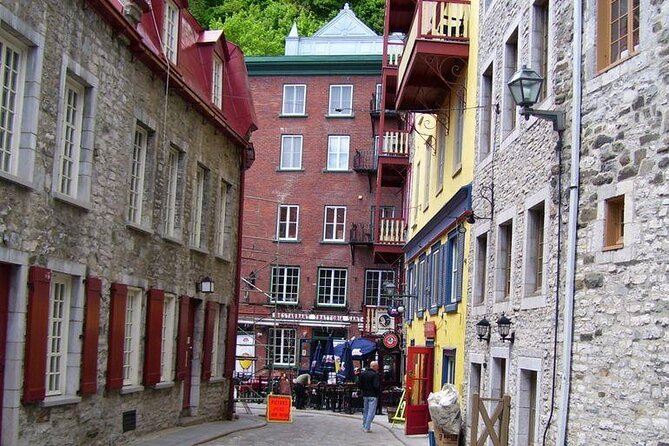
- Upper Town to Lower Town in one smooth route so you get both sides of Old Québec without backtracking
- Historic stop sequence that ties together Place Royale, Château Frontenac area views, and major church/fortification context
- Licensed professional guides who keep the pace friendly and the commentary engaging (with guides like Yves and Paul mentioned often)
- Small group size (max 15) which helps you ask questions and hear the guide better
- Short walk to and from the cruise port area, with the tour ending near the funicular for an easy wrap-up
Upper Town to Lower Town: the smart setup for a cruise day
Québec City is the kind of place where geography matters. The Upper Town (Haute-Ville) sits high, the Lower Town (Basse-Ville) sits low, and the best Old Québec moments depend on moving between the two. That’s why this format works so well as a shore excursion: you get the uphill views without spending your whole day climbing.
The tour starts close to the action—near 12 Rue Sainte-Anne—and it ends near the Funiculaire du Vieux-Québec, with the finish described as about a 5-minute walk to the cruise terminal area. For cruise days, that “don’t-waste-your-time” logic is huge.
You’ll also like the scale of the experience. It’s about 2 hours on the clock, with a maximum of 15 people, so it feels like a guided walk with a group—not a crowded bus-tour shuffle.
You can also read our reviews of more walking tours in Quebec City
Stop 1: Upper Town (Haute-Ville) and the 1608-to-now orientation
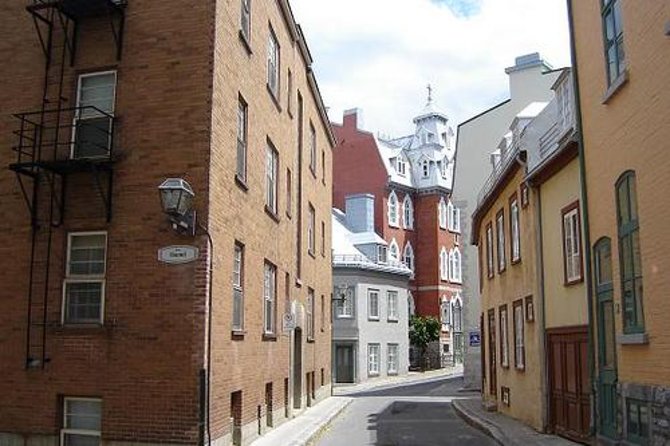
The tour kicks off in the Upper Town with a history arc that starts in the early 1600s and moves to modern Québec. The key value here isn’t memorizing dates. It’s learning what to notice—how the city grew, how the walls shaped life, and why certain buildings and street layouts matter.
Expect a downhill path from beginning to end. That sounds basic, but on a short cruise day it changes everything: you can enjoy the views and street scenes without feeling like you’re paying for the experience with your last ounce of energy.
This portion also sets you up for the rest of the walk. When the guide later points out fortifications, church locations, and the reasons for defense, the Upper Town context makes it all click. In guides’ styles highlighted in real-world feedback, people often mention leaders like Yves and Paul for good pacing and keeping the story moving.
Stop 2: Place Royale and the Château Frontenac moment
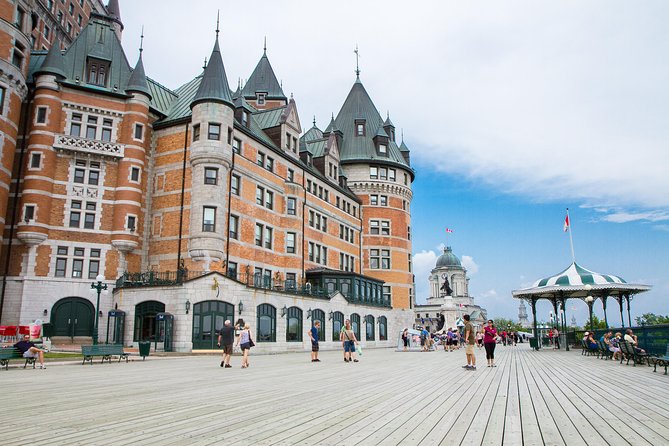
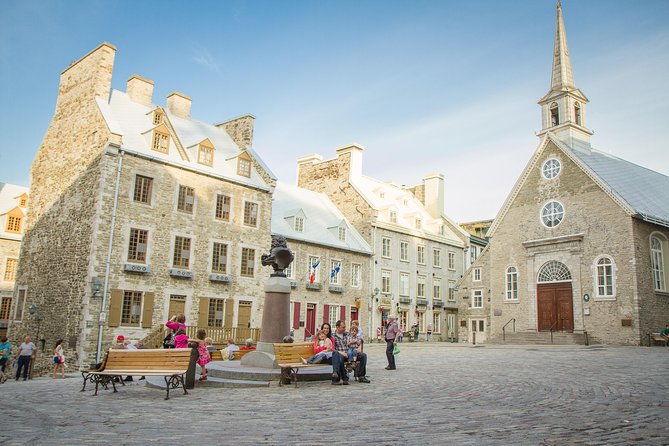
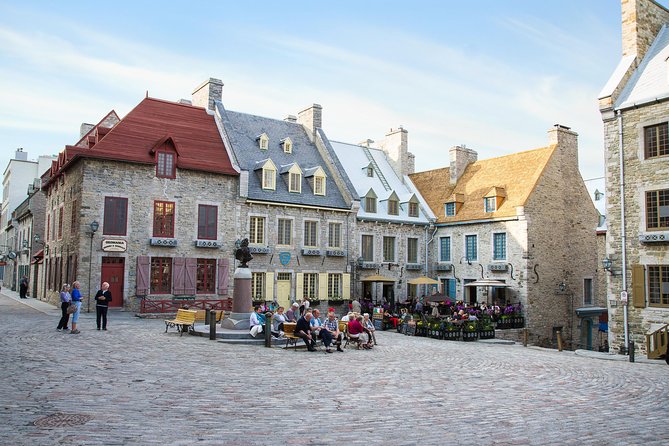
Place Royale is where Québec’s identity starts to feel real. This stop is described as a walk through Place Royale with the Château Frontenac area in view—so you get the classic postcard energy, but with context attached.
Place Royale matters because it’s tied to the city’s founding era and the idea of French settlement in North America. The guide’s job here is to connect what you see on the street—space, stone, street pattern—with why that place mattered.
In practical terms, this is also where you’ll catch your stride. The walk is still easy enough to enjoy the architecture without feeling like you’re sprinting between landmarks. If you’re arriving in Québec City for the first time and want a “first impressions” hit, this stop is a strong anchor.
One small consideration: if your goal is to spend long minutes shopping, dining, or sitting in a café, a two-hour shore tour means you’ll be moving more than lingering. This tour is built for learning while moving.
Old Québec basics: fortifications, churches, and what the walls really did
Once you’re in Old Québec territory, the tour shifts from general orientation to specific heritage. A big focus is the Fortifications of Québec—the defensive system that helped protect the only remaining fortified city in North America. You’ll also hear how Québec is the only walled city north of Mexico, which gives the whole “why these walls exist” conversation a broader map-and-mindset feel.
This part is also where the tour aims for depth without getting slow. You’ll see and learn about major religious landmarks, including references to Notre-Dame-des-Victoires Church, which is described as one of Canada’s oldest stone churches and tied to the spot where Québec began. The tour also includes Basilica Notre-Dame in its highlight list, so you should be prepared for multiple church-adjacent views and explanations.
Then there’s the Citadelle of Québec angle: it’s described as an active military installation and the official residence of both the Canadian monarch and the Governor General. That’s a lot for one stop cluster, but the guide’s commentary is meant to connect the dots—how defense, power, and ceremony all lived in the same city.
One real-world heads-up based on how this experience is described: construction noise can be a challenge. If you want every word, bring the expectation that the city is still a city. Street performers and ongoing work can make sound carry unpredictably, even with a professional guide.
The Citadelle area and question time: how the guide shapes your day
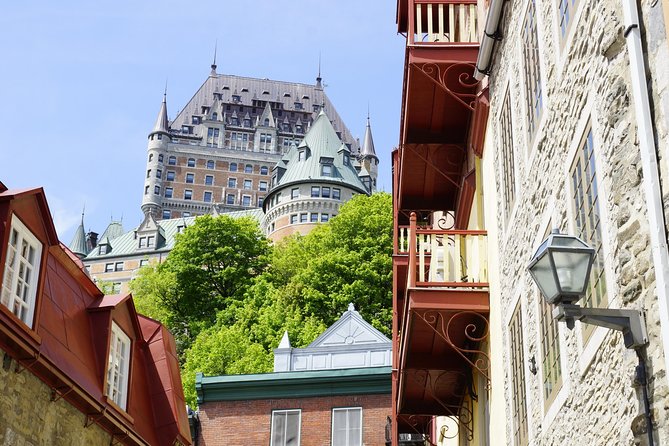
A walking tour lives or dies on the guide’s rhythm: when they pause, how they explain, and whether they allow questions without turning the tour into a lecture. The consistently praised part of this experience is that guides keep things lively and organized, with people highlighting both humor and strong Q&A.
Guides named in feedback include Anne, Helene, Carole D, Louise, Jim, Marie Blais, and DeJeane, often for being friendly, fun, and able to connect history to what you’re literally standing in front of. That matters because Québec City has layers—French, military, colonial, modern—and a good guide prevents you from feeling lost in the details.
Also, be aware of pacing. Several comments indicate tours may run a bit longer than the printed duration to fit in key stops and answer questions. That can be a plus for history lovers. It can also mean less free time for independent wandering afterward—though the tour ending near the funicular helps you continue the day easily.
Timing and staying close to the ship: the worry-free promise (in plain English)
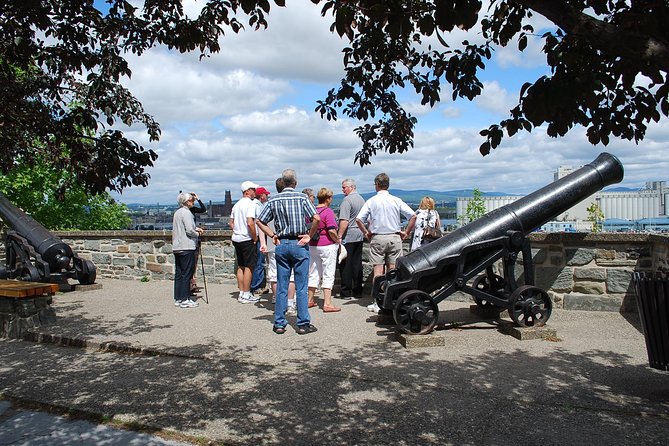
A cruise day is all about margins. One late bus and your whole plan collapses. This tour’s selling point is that it’s designed to keep you on a timely return to the ship area. If a ship is delayed and you can’t attend, it’s described as being refundable under their terms.
You should still plan like a realist. Even when the experience is “worry-free,” you’re walking and the city has normal city variables—weather, crowds, and construction. The good news is the route is built for proximity: starting and finishing are described as within a short walk from the cruise port area.
There’s also a listed mid-journey element that ties to the company name and “worry-free” tracking. Practically, what you’ll feel as a guest is that you’re not just dropped off at a random landmark. The guide is managing the flow so you’re not stuck chasing the group.
What you’ll see (and what you might not go inside)
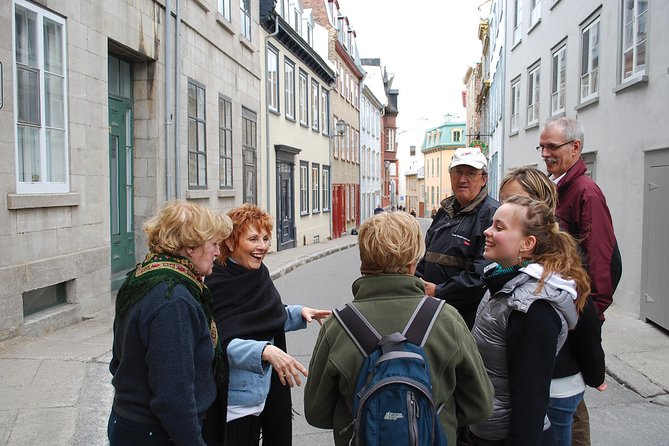
This is a walking tour of Old Québec highlights, designed around streets, squares, and viewpoints. The highlight list includes big names: Place Royal, Château Frontenac, Notre-Dame-des-Victoires, and more, plus the fortifications and Citadelle context.
But a few practical realities matter:
- Expect limited interior time. If you want to go inside every church or building, this may not be the best format. One disappointment shared is that there wasn’t interior access to Notre-Dame during the tour.
- Sound can be imperfect. Construction noise and street activity can interfere with hearing the guide at certain moments.
- You’re there for the big picture. The strength is connecting history to the places you pass, not ticking boxes by entering buildings.
The upside is that you still get a coherent Old Québec story without spending your whole day waiting in lines. For most cruise travelers, that trade-off is worth it.
Price and value: what $27.78 gets you in Québec City time
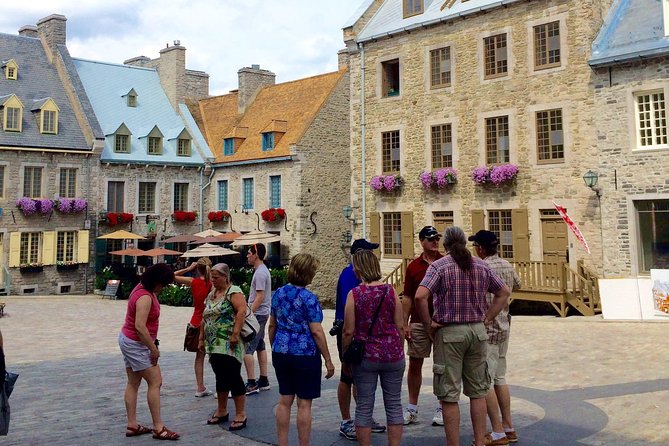
At $27.78 per person for about two hours, this tour is priced like a “smart orientation” excursion. You’re not paying for transportation (port pickup/drop-off isn’t included). Instead, you’re paying for a guided walk that saves you from doing guesswork on which corners matter.
That value comes from three areas:
- Proximity to the ship port means you spend more time in Old Québec and less time figuring out routes.
- A licensed guide means you get context right away—fortifications’ purpose, Citadelle role, and why Place Royale is more than scenery.
- Small group size helps you move faster than a big crowd tour, and usually makes the guide’s storytelling easier to follow.
If you’re the type who likes to understand what you’re looking at—rather than just taking photos—this price is a reasonable deal. If you prefer unstructured wandering and hate walking, you may feel the cost is too high for the amount of movement. In that case, you might do better with a self-guided plan and fewer stop types.
How much walking is involved, and who should choose it
The tour is designed for moderate physical fitness and runs in all weather conditions, so dress for real Québec weather rather than hope for perfect conditions. The downhill nature helps, but you’ll still be on your feet for most of the two hours.
It’s also a good match if you want:
- an easy first day plan in Québec City
- a guided route that covers Upper Town and Lower Town
- a way to learn the big historic threads without overplanning
It may not be ideal if you need lots of breaks, have mobility limitations, or want a tour that guarantees long indoor time at major sites.
And one more practical tip: if you can, plan your shoes like you’re walking a city all day. Even on a short excursion, Québec’s stone sidewalks can be unforgiving.
Should you book this Québec City shore walking tour?
I’d book it if your top priority is getting oriented fast and you like history told in a street-level, no-nonsense way. The combination of Upper Town to Lower Town, guided context for fortifications and key landmarks, and the close-in meeting and finish points makes it a strong cruise-day choice.
Skip it if your dream day is mostly indoor visits, long sits in cafés, or you dislike walking in unpredictable weather. Also, if sound matters a lot to you, keep in mind that construction and city noise can sometimes make the guide harder to hear.
If you’re deciding between doing everything on your own versus booking a guide, this one is hard to beat for value and efficiency—especially on a first visit.
FAQ
How long is the Grand Walking Tour of Québec City?
The tour is listed at about 2 hours.
What language is the tour offered in?
It’s offered in English.
Is there a mobile ticket?
Yes, the tour includes a mobile ticket.
Where does the tour start and end?
It starts at 12 Rue Sainte-Anne, Québec, QC G1R 3X3, Canada, and ends near Funiculaire du Vieux-Québec at 16 Rue du Petit Champlain, Québec, QC G1K 4H4, Canada.
How close is the start and end to the cruise port?
The departure and return locations are described as a less than 10-minute walk from the cruise port, and the tour concludes in the Lower Town district about a 5-minute walk to the cruise ship terminal.
What’s included in the price?
Included: the 2-hour guided walking tour, a licensed and professional guide, and local taxes.
Are there any admission fees included?
Admission tickets are listed as free for some stops, and one listed stop includes admission included.
What happens if my ship is delayed?
The tour describes a worry-free approach: if your ship is delayed and you’re unable to attend, your money will be refunded, per their terms.
Is there a refund if I cancel?
Free cancellation is available up to 24 hours before the experience start time for a full refund.