REVIEW · PORT CHALMERS
Otago Harbour Wildlife Cruise (Dunedin Shore Excursion)
Book on Viator →Operated by Monarch Wildlife Cruises & Tours · Bookable on Viator
Seals, albatross, and Dunedin scenery in 2.5 hours. This Otago Harbour wildlife cruise is a smart way to use a limited shore stop, sailing out from Port Chalmers for close-to-nature sights and great onboard commentary.
I really like the small-group feel (max 16). You get time to ask questions, and you’re not packed shoulder-to-shoulder while scanning the water. I also appreciate that the tour includes warm waterproof jackets, binoculars, and a complimentary coffee or tea with a biscuit.
Here’s the one thing to keep in mind: close-up wildlife photos are not guaranteed, because birds and seals don’t follow your camera. On rougher days, you may end up a bit farther from the rocks for shooting.
In This Review
- Key things to know before you go
- Otago Harbour in One Morning: What You’re Actually Buying
- Meeting at Port Chalmers Cruise Terminal: Quick, Straightforward Start
- The Cruise Format: Small Group + Wildlife Spotters Guide
- Taiaroa Head: Royal Albatross and the Lighthouse Views
- Otago Harbour: Bays, Islands, and Fishing-Village Scenery
- Wildlife Photos: How to Set Your Expectations
- The Onboard Comfort That Actually Matters
- The Human Touch: Captain and Guide Commentary
- What You Should Pack (Even With Jackets Included)
- Price and Value: Does $86.88 Make Sense?
- Weather and Sea Conditions: When Plans Shift
- Who This Cruise Is Best For
- Should You Book Otago Harbour Wildlife Cruise?
- FAQ
- How long is the Otago Harbour Wildlife Cruise?
- What time does the tour start, and where does it begin?
- Is lunch included on this tour?
- What’s included besides the boat ride?
- What wildlife might I see?
- How many people are on the tour?
- What happens if weather is bad?
Key things to know before you go
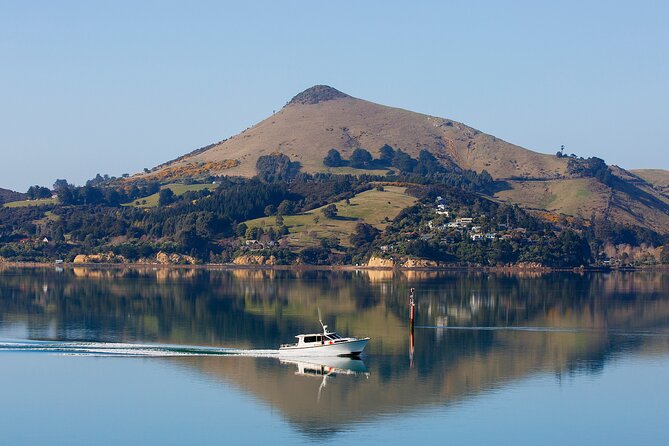
- Max 16 people means more questions and better sightlines while watching for wildlife.
- Taiaroa Head lighthouse views set the tone right away, with the chance to spot Royal Albatross.
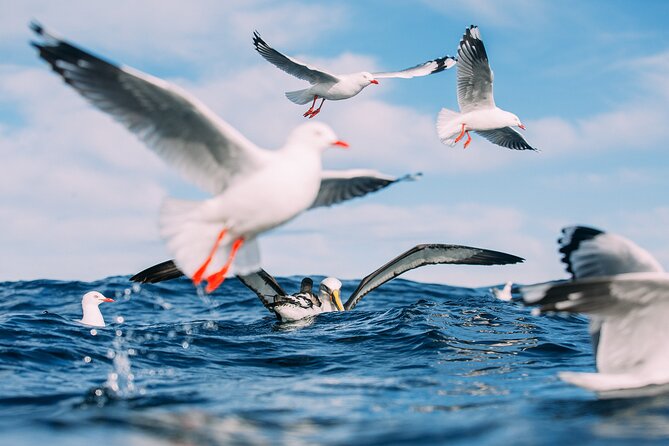
- Fur seals on the rocks plus birds in the air give you a good mix of wildlife angles.
- Warm waterproof jackets and binoculars are included, so you’re not gambling with the weather.
- Tea/coffee and a biscuit keeps the morning comfortable without adding cost or time.
- Photo stops are built into the cruise, which helps when you’re trying to capture the scenery and wildlife.
Otago Harbour in One Morning: What You’re Actually Buying
This is a classic Dunedin shore excursion: boat time, wildlife time, and just enough structure to keep it easy. For $86.88 per person, you’re paying for the boat, the guided spotting, and the gear that helps you see more in changeable coastal weather.
The whole experience runs about 2 hours 30 minutes. That matters on a cruise stop because you don’t want a long drive or a day that depends on traffic. You’ll be picked up from the cruise area at Port Chalmers and brought to the wharf, then set out on the harbour.
You can also read our reviews of more boat tours in Port Chalmers
Meeting at Port Chalmers Cruise Terminal: Quick, Straightforward Start
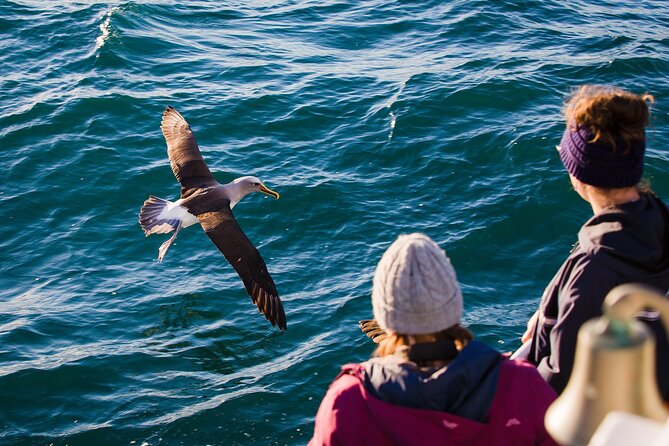
You meet at the Port Chalmers Cruise Terminal, 21 Beach Street, Port Chalmers, Dunedin 9023. The start time is 10:00 am, and the experience ends back at the meeting point, so you’re not trying to reinvent your own transportation plan at the end of a wet sea day.
One practical detail: you’ll need to be able to board the boat via two steps. If you have mobility issues or struggle with stairs, this is the one moment where you should think ahead.
The Cruise Format: Small Group + Wildlife Spotters Guide
A key part of the value is the group size. With a maximum of 16 travelers, it’s easier to hear the guide and captain, and easier to ask follow-up questions when you’re staring at the water and wondering what you’re actually seeing.
You’ll also have a wildlife spotters guide on board. That helps because wildlife spotting isn’t just luck—it’s noticing behavior, flight patterns, and where to look from the water. When the ship slows for sightings, you’ll want to be ready with binoculars and patience.
Taiaroa Head: Royal Albatross and the Lighthouse Views
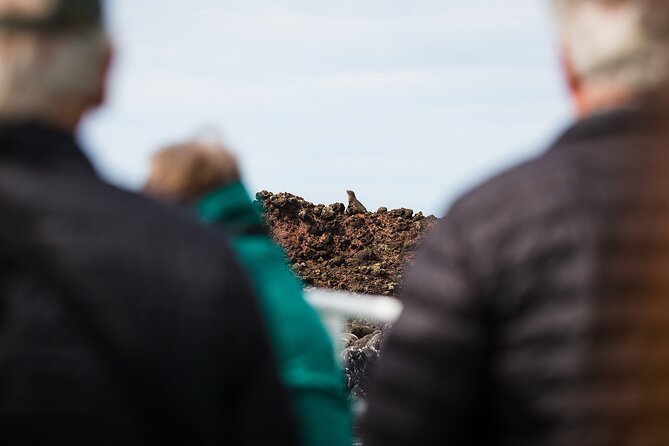
Taiaroa Head is where the cruise starts to feel like a real nature outing. You’ll cruise around this area for about an hour, with the chance to spot Royal Albatross and New Zealand fur seals.
The historic lighthouse views are part of the deal. Even when wildlife timing is off, you still get the dramatic headland setting that makes this region famous. The trick is to watch both directions: albatrosses can be in flight overhead, while fur seals can be on rocky points and nearby waters.
If you’re hoping for birds against a clean background, this is your best opening. Bring your eyes up as well as down—some of the sightings are easier when you’re scanning the air.
Otago Harbour: Bays, Islands, and Fishing-Village Scenery
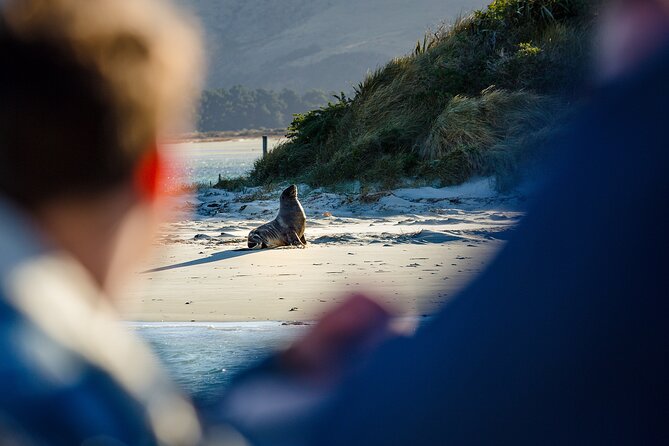
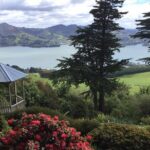
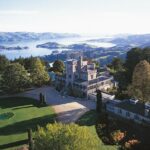
After Taiaroa Head, the cruise shifts to exploring Otago Harbour’s bays, islands, and fishing villages along the way. This section runs about an hour and is less about one single landmark and more about seeing how the coastline works.
This is also where you might see a broader range of wildlife. In past outings, you can get sightings beyond seals and albatross, including birds like king cormorant, and marine life such as dolphins. Penguins have also shown up at times, so it’s worth staying alert even when you think you’ve already “seen the main thing.”
Because the harbour is active and changeable, the experience can feel like a moving nature viewpoint. Some days you’ll have more action, and some days you’ll have quieter, slower wildlife watching.


Wildlife Photos: How to Set Your Expectations
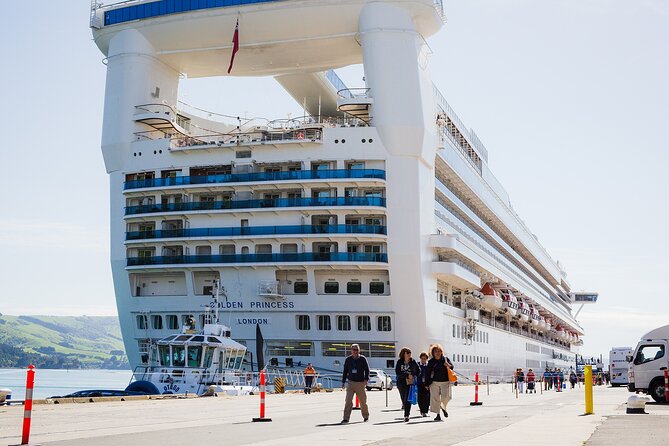
Let’s be honest about photography: wildlife photography at sea is often about timing, not control. You can absolutely get memorable shots, but you shouldn’t count on getting camera-filling frames from close to the rocks.
One balancing act: when conditions allow the captain to position the boat well, you can get better views for photographing albatrosses and birds at water level. When conditions are rougher (like after a storm), the boat may have more swell and the route can feel more limited—meaning you might see wildlife but from farther out.
My practical advice is to shoot for “proof and variety,” not only “close-up.” Get one set of photos that show the animal in its habitat and another set that shows flight or movement. That way, even if the rocks are too far for your ideal shot, you still come home with something worth keeping.
The Onboard Comfort That Actually Matters
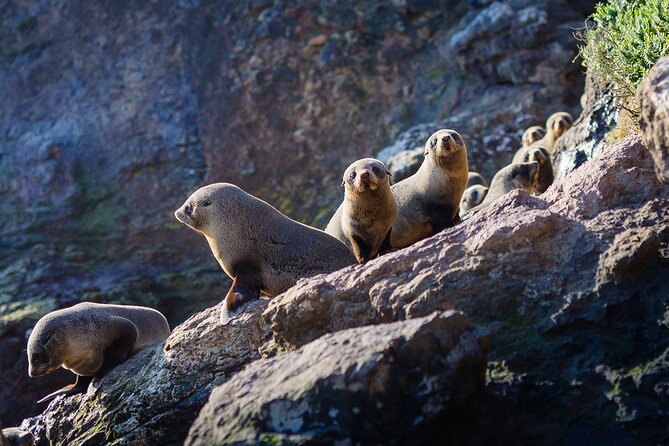
This tour plans for cool coastal weather. You’ll be provided with warm and waterproof jackets, plus binoculars, so you can spend more time looking and less time worrying about what you forgot.
They also include a complimentary hot drink (coffee and/or tea) and a biscuit. That small break makes a big difference on a grey morning when you’re standing by the rail. In misty or cold conditions, being able to stay outside longer is a real upgrade—so you can keep your eyes on wildlife instead of retreating inside.
The Human Touch: Captain and Guide Commentary
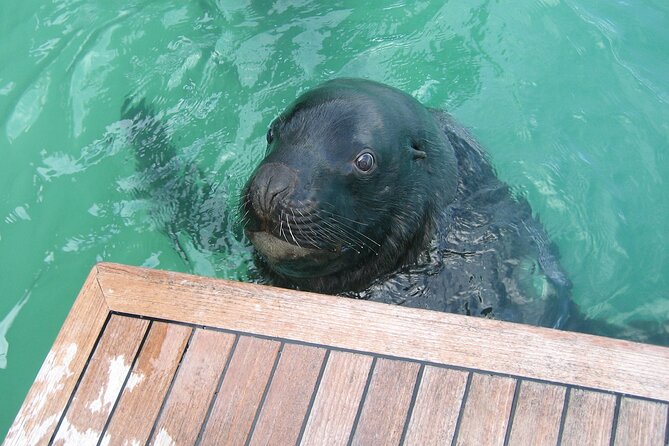
One reason people love this cruise is the live commentary. The captain plays a role in spotting and narration, and the guide adds context as you move around the harbour.
Names mentioned include Nigel as a captain and Dan as a guide, both of whom are described as helpful and quick with wildlife information. Even when you already know a bit about seabirds, having someone explain what you’re seeing—why the birds are there, how fur seals behave, and what to watch next—turns random sightings into a story you can follow.
What You Should Pack (Even With Jackets Included)
You’re getting warm waterproof jackets, so you don’t need to panic about outerwear. Still, I recommend you bring a few basics so you’re comfortable the whole time.
- A warm layer under the jacket (you’ll feel the breeze when the boat slows)
- A hat or hood you can keep on during wind
- Sunglasses (even on cloudy days, glare off the water can be intense)
- Your camera with a strap you can handle one-handed
- Any personal snacks you want (lunch is not served)
If you get motion sick easily, you might also consider motion-sickness medication. The data here doesn’t specify sea-sickness help onboard, so plan based on your own body.
Price and Value: Does $86.88 Make Sense?
At $86.88 per person, this isn’t a “cheap and cheerful” trip. You’re paying for a working wildlife cruise: a small boat, knowledgeable spotting support, and included gear.
Here’s why it can feel like good value:
- You get warm waterproof jackets and binoculars included, which would otherwise be extra cost or lost comfort.
- You get a hot drink and biscuit without adding a meal stop.
- You’re buying time—your total duration is about 2.5 hours, which is efficient for a cruise day.
If you already own binoculars and you don’t mind cold weather, you might feel less “wow” about the included items. But if you’re hoping to see more wildlife on limited time, the guided spotting and gear are the real payoff.
Weather and Sea Conditions: When Plans Shift
This experience requires good weather. If weather is poor, it can be canceled, and you’ll be offered another date or a full refund.
One more nuance: coastal areas can turn rough quickly. After a storm, you might experience a bigger swell, which can affect how far out the boat can go. When that happens, you might still see wildlife—just potentially from a less ideal angle for photography.
The good news is the tour is designed with cold and damp conditions in mind, so even if it’s cool, you’re not stuck freezing in street clothes.
Who This Cruise Is Best For
This is a strong fit if you want an efficient wildlife hit on a Dunedin shore day. It’s especially good for:
- First-timers to South Island wildlife who want a guided, low-effort approach
- People who like birds and want a real chance at albatross and fur seals
- Travelers who appreciate small-group attention rather than big-bus crowding
If you’re mainly looking for a long walking tour, you might feel like this is more about the water and the viewpoints than land exploring. And if your number-one goal is extreme close-up photos, plan for some uncertainty.
Should You Book Otago Harbour Wildlife Cruise?
Book this if you want one morning where the boat does the driving and the guide helps you spot wildlife fast. The combo of small-group size, included jackets and binoculars, and the focus on places like Taiaroa Head makes it a practical choice for most cruise-day schedules.
Skip (or rethink) if you need perfectly close wildlife photos every time, or if stair boarding is a problem for you due to the two-step entry.
FAQ
How long is the Otago Harbour Wildlife Cruise?
The cruise lasts about 2 hours 30 minutes.
What time does the tour start, and where does it begin?
The start time is 10:00 am, and you meet at the Port Chalmers Cruise Terminal on 21 Beach Street, Port Chalmers, Dunedin 9023, New Zealand.
Is lunch included on this tour?
No. Lunch is not served, but you’re welcome to bring snacks.
What’s included besides the boat ride?
You get a complimentary coffee and/or tea with a biscuit, warm and waterproof jackets, binoculars, and a wildlife spotters guide.
What wildlife might I see?
You can look for Royal Albatross, New Zealand fur seals, penguins, dolphins, and other local birds. What you see depends on the day.
How many people are on the tour?
The maximum group size is 16 travelers.
What happens if weather is bad?
This experience requires good weather. If it’s canceled due to poor weather, you’ll be offered a different date or a full refund. Free cancellation is available up to 24 hours before the experience starts for a full refund.