REVIEW · ROTORUA
Private Shore Excursion Rotorua/ Tauranga Maori culture, Geyser & concert
Book on Viator →Operated by Arrow Tours · Bookable on Viator
This private day trip turns a shore day into a full Rotorua highlight reel, with Māori culture and geothermal wonders, plus enough lake and forest scenery to keep your camera busy. I like how it’s paced like a road trip with real stops, not a rushed checklist, and how the schedule leaves room for sensible photo breaks along the way.
Two things I especially like: the port pickup and transfers remove the usual first-day confusion, and the Whakarewarewa experience includes both geothermal access and a Polynesian concert-style performance. One thing to think about: lunch isn’t included, so you’ll need to decide where to eat in downtown Rotorua during the short break.
In This Review
- Why this private Rotorua day tour works
- The itinerary, stop by stop (and what each part is really for)
- Mt Maunganui Main Beach: start with a postcard view
- Omanu Beach Surf Life Saving Club: a quick coastal reset
- Te Puke: kiwi fruit country with real agriculture
- Rotorua drive: forests, farmland, and the “geothermal is near” feeling
- Whakarewarewa: the Living Māori Village, wetland walk, and the 40-minute performance
- Lake Rotorua lunch break: choose your pause wisely
- Government Gardens: a calm photo pause near the museum
- Lake Okareka walkway: elevated viewpoints that feel timeless
- Tikitapu Nature Walk: native forest that’s actually worth the time
- Mt Tarawera: the 1886 eruption viewpoint stop
- Lake Tikitapu and Lake Rotokakahi: two colors in one forest setting
- Okere Falls: the steps, the rapids, and the final burn
- The ride back to Tauranga Port: smooth wrap-up
- Price and value: what $940 per group buys you
- The guides: what makes the day feel personal
- Key things to know before you go
- Who this tour suits best (and who should rethink it)
- Should you book this private Rotorua shore excursion?
- FAQ
- What is the tour price and group size?
- Where does the excursion start?
- How long is the experience?
- What’s included in the ticket price?
- Is lunch included?
- What does the Whakarewarewa stop include?
- Are there steps or walking involved?
- Are the lake and forest stops included?
- What happens if I need help with timing as a cruise passenger?
- What is the cancellation policy?
Why this private Rotorua day tour works
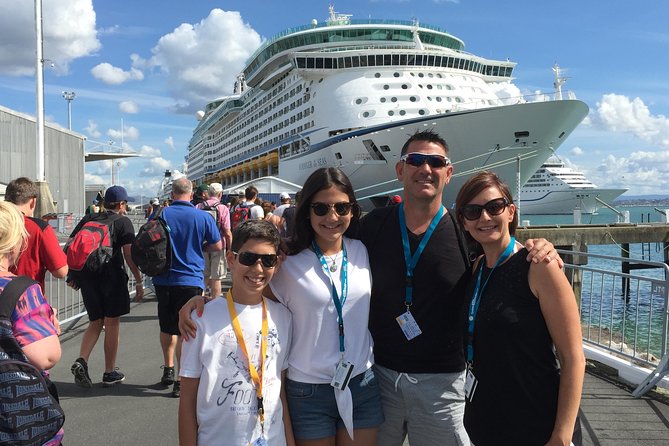
This is built for people who want the best parts of the central North Island in one go, especially if your time on land is limited. The route runs from Tauranga through Bay of Plenty beach areas and kiwi-growing country, then down into Rotorua’s geothermal core.
The itinerary, stop by stop (and what each part is really for)
You can also read our reviews of more private tours in Rotorua
Mt Maunganui Main Beach: start with a postcard view
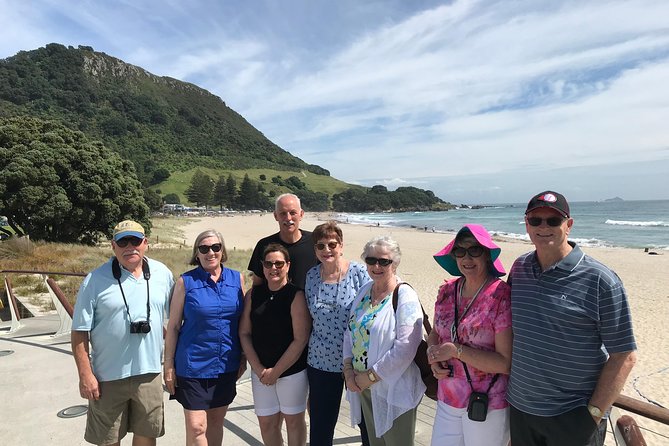
Your day begins on the coast at Mt Maunganui Main Beach, with sweeping views over the Bay of Plenty. It’s a short stop, but it sets the mood right away: ocean first, then forests and lakes later.
If you’re traveling as a family or a small group, this is also a good “wake up and stretch” moment after meeting your guide and getting settled.
What to watch for: It’s a fast stop, so if you want longer photos, you’ll need to communicate that early.
Omanu Beach Surf Life Saving Club: a quick coastal reset
Next comes Omanu Beach for a comfort stop and more coastline views. This one works well because it’s both practical and scenic—grab a bathroom break, then get a few shots with the Pacific always in the background.
It’s also a good spot to slow down mentally. Rotorua is coming. This gives you a clean breath before the inland day.
Te Puke: kiwi fruit country with real agriculture
Then you head into Te Puke, known for kiwi growing. This stop is about seeing how the orchards are cared for, and how loaded the vines can be. Even if you don’t care about farms, it’s still a pleasant change from beaches and lakes.
Practical tip: If anyone in your group likes food-related travel, this stop makes the day feel more local than just sightseeing.
Rotorua drive: forests, farmland, and the “geothermal is near” feeling
Between coastal Bay of Plenty and Rotorua, the scenery shifts. You’ll pass dense forest, shimmering lakes, and rolling farmland, and you’ll start to feel like you’re moving into the region’s heart.
This part matters more than it sounds. Good scenery on the drive helps the whole day feel less “tour-bus” and more like you’re actually experiencing the North Island.
Whakarewarewa: the Living Māori Village, wetland walk, and the 40-minute performance
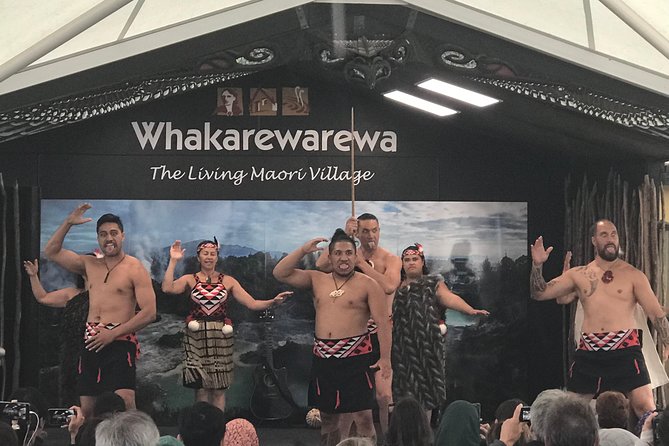
The centerpiece is Whakarewarewa – The Living Māori Village. Entry is included, and you’ll also have a walk through the geothermal wetland. This is the kind of stop where geothermal activity isn’t just something you look at from a distance—you’re in an area shaped by it.
You’ll also get a storming 40-minute cultural performance, plus the energy of a Polynesian concert at the village. The show gives context to the place, not just background noise, and it’s one of the few activities that can work well for nearly everyone—from teens to grandparents.
Why it’s a highlight: you’re getting culture and geothermal activity tied together, rather than treated like separate boxes.
One consideration: this is a performance-heavy stop, so if your group prefers quiet time over shows, tell your guide. With a private format, they can often adjust the balance where timing allows.
Lake Rotorua lunch break: choose your pause wisely
You get about 30 minutes in downtown Rotorua to pick a café for lunch. The tour selects from three reputable options with a nice ambience, and you’ll pay for lunch yourself.
This is the one part where your experience can swing based on how hungry you are and how much you want to explore the area. Thirty minutes is enough to eat well, but you shouldn’t plan on a long wander.
My advice: decide in advance what matters most—quick seated meal vs. faster takeaway—then go with the plan once you arrive.
Government Gardens: a calm photo pause near the museum
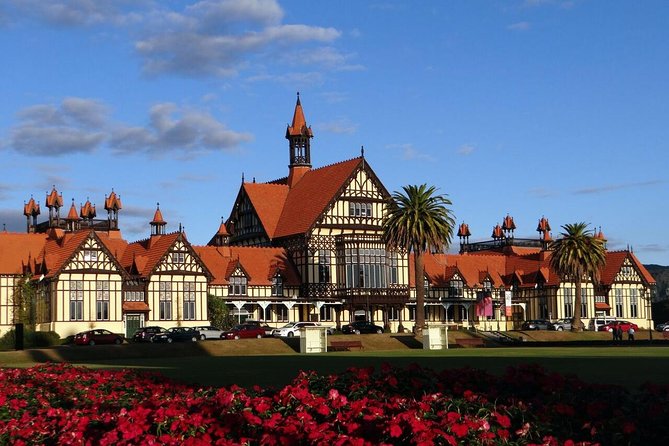
After lunch, there’s a gentle drive through Government Gardens, alongside the Rotorua museum. Expect a calm, green reset and a straightforward photo stop.
This isn’t about big-ticket attractions. It’s about giving your eyes a break after geothermal steam and cultural staging—then letting the next lake-and-forest stops land.
Lake Okareka walkway: elevated viewpoints that feel timeless
Next up is Lake Okareka Walkway, an elevated spot built for postcard angles. You’ll get views over the lake and the holiday homes along the shore, and it’s quick enough that most people can enjoy it even with limited mobility.
This is one of those stops where you don’t need to do much. Just stand, look, and let Rotorua’s lakes slow your day down.
Tikitapu Nature Walk: native forest that’s actually worth the time
Then you move into Tikitapu Nature Walk, a guided-style stroll through native forest. The setting is described as a prime example of New Zealand native forest, with tall podocarps and a mix of ferns.
This is a solid choice if you want the day to feel balanced: culture, geothermal, and then real forest atmosphere. It’s also one of the best places to notice that Rotorua isn’t just about heat—it’s also about cool, living ecosystems.
Mt Tarawera: the 1886 eruption viewpoint stop
At Mt Tarawera, you’ll take in views and learn some of the history behind the 1886 eruption. You get a photo opportunity that focuses on the lake-and-mountain combination, which is exactly what you want on a day trip like this: a short, high-impact viewpoint.
What to expect: this is another quick stop, so if someone wants a longer look, let your guide know early.
Lake Tikitapu and Lake Rotokakahi: two colors in one forest setting
You’ll also stop at Lake Tikitapu (Blue Lake) and Lake Rotokakahi (Green Lake). You’ll get the scene framed by the forest, with a brief window for photos and quick viewing.
The important practical note here: Blue Lake is open to everyone, so if your timing lines up and the mood strikes, you might see people getting ready to swim or boat in season. Even if you don’t plan to, the setting is what makes the stop.
Okere Falls: the steps, the rapids, and the final burn
Before heading back to your ship, you’ll reach Okere Falls. There’s time to descend a flight of 60 steps to get close to the rapids. The stop is meant for people who can handle steps and want that up-close roar-and-water feeling.
It’s also the perfect “last big nature moment” before you turn back toward the port.
One consideration: if your group doesn’t do well with stairs, ask the guide about options during the day so you can plan rather than improvise at the final stop.
The ride back to Tauranga Port: smooth wrap-up
Once you’re finished, you head back to your ship area with a 50-minute journey back. Because this is private, you’re not fighting other schedules or waiting for strangers.
And because port pickup is included, you’re less likely to end your day stressed and sprinting.
Price and value: what $940 per group buys you
At $940 per group (up to 4), this isn’t a budget option. But it’s also not paying per person in the usual crowded-tour way. For a small family or group of friends, the value comes from three things:
- Private transport in an air-conditioned minivan for the whole day
- Port transfers so you start and end without hunting for a meeting point
- A big included “anchor”: Whakarewarewa entry plus the cultural performance and geothermal wetland walk
If you split the cost among 3–4 people, it can start to look like a smart way to buy back time and avoid missed connections on a shore day. And the pacing is clearly designed for a day that’s about seeing a lot without turning every stop into a five-minute sprint.
One more useful clue: it’s often booked about 89 days in advance, so if your cruise dates line up with a busy season, don’t wait until the last moment.
The guides: what makes the day feel personal
The private format isn’t just about having a car to yourself. It’s about how the day gets explained and adjusted.
Past experiences with Arrow Tours guides highlight traits like being prompt, friendly, and flexible—including tailoring the day to what your group cares about. Names that came up include Toby, Steve, and Thierry. If you get a guide with that mix of humor and local knowledge, the day feels like it’s flowing rather than being “delivered.”
Tip for you: tell your guide your priorities at the start—culture vs. photo stops vs. nature walks vs. getting extra time at a view. The tour’s customizable nature is only useful if you speak up early.
Key things to know before you go
- Port pickup is included, so you avoid the classic shore-day meeting-point scramble.
- Whakarewarewa includes more than entry: you get geothermal wetland time plus the cultural performance and Polynesian concert component.
- Lunch is on you, but you’ll be pointed to one of three downtown Rotorua cafés during a set break.
- The day is scenic and varied, mixing coast, kiwi agriculture, lakes, native forest walks, and viewpoints.
- Okere Falls includes 60 steps, so plan based on your group’s comfort with stairs.
- This is a private group tour, minimum 2 people to book, so you’re not sharing the day with strangers.
Who this tour suits best (and who should rethink it)
This works best if you want a single, well-paced day that covers Rotorua’s main hits without spending half your time figuring things out. It’s especially good for:
- Cruise passengers who need easy timing and zero stress
- Small groups or families who want private transport rather than a bus crowd
- Anyone who cares about Māori culture tied to place, not just a short stop outside a venue
It might be less ideal if your group hates stairs, prefers long free time over structured stops, or wants a full lunch included at no extra cost.
Should you book this private Rotorua shore excursion?

If your goal is Rotorua’s geothermal heart plus Māori culture, in one efficient day from Tauranga, I’d say yes—especially if you’re traveling with up to four people and you value port pickup and private pacing. The included Whakarewarewa experience is the kind of “one big anchor” that can justify the price, and the lakes-and-forest stops help round out the day so it doesn’t feel one-note.
If you’re the type who likes lots of independent wandering and big unplanned detours, you might prefer a slower itinerary. But for a shore day where you want the good stuff without the guesswork, this is a strong choice.
FAQ
What is the tour price and group size?
It costs $940 per group and is designed for up to 4 people. The tour is private, with a minimum of 2 people required to book.
Where does the excursion start?
The tour starts at Port of Tauranga with port pickup included, so you won’t need to find a separate meeting point.
How long is the experience?
Plan for about 7 to 8 hours.
What’s included in the ticket price?
It includes GST, bottled water, a professional guide, port pickup, transport by air-conditioned minivan, tickets to Whakarewarewa (including a walk through the geothermal wetland), and the Polynesian concert.
Is lunch included?
No. Lunch is not included, but you’ll have a set lunch break in downtown Rotorua with access to reputable café choices.
What does the Whakarewarewa stop include?
You get entry to the Living Māori Village and a walk through the geothermal wetland, plus a performance at the village.
Are there steps or walking involved?
Yes. At Okere Falls, there’s a descent of 60 steps for those who are fit and able.
Are the lake and forest stops included?
Yes. You’ll have stops for Lake Rotorua, Lake Okareka Walkway, Tikitapu Nature Walk, and viewpoints at Mt Tarawera plus Lake Tikitapu and Lake Rotokakahi.
What happens if I need help with timing as a cruise passenger?
If you’re a cruise ship passenger, you provide your ship name and docking time at booking, and the tour includes port transfers to help keep the schedule on track.
What is the cancellation policy?
You can cancel for a full refund up to 24 hours before the experience starts. If you cancel less than 24 hours before, the amount paid isn’t refunded.