REVIEW · OLYMPIA
Private Shore Excursion at Ancient Olympia from Katakolo port
Book on Viator →Operated by Private Tours Greece · Bookable on Viator
Olympia turns the clock back fast. In one 4-hour private excursion, you get round-trip port transfers plus a licensed guide’s walk-through of Ancient Olympia’s biggest moments. I like that this day is designed for convenience and pacing, with a private group so you can ask questions instead of listening through a crowd.
The trade-off is simple: entry tickets are not included for the archaeological site and museum. So budget extra for admission, and remember the day is tight—great for highlights, less ideal if you want to linger for hours on your own.
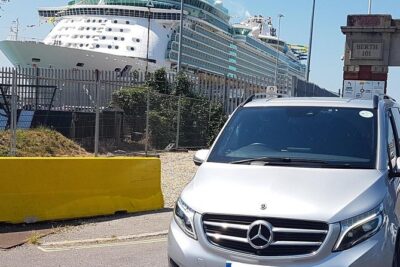
From John Latsis Katakolo Port, your driver meets you right after you disembark, and you’re set up with an English-speaking team and a mobile ticket. If you want the cleanest way to hit the key sights without wrestling schedules, this is a strong match.
In This Review
- Key things to know before you go
- Why Ancient Olympia is worth the trip from Katakolo
- From John Latsis Katakolo Port to Olympia: timing that won’t stress you out
- Stop 1: The Archaeological Site of Olympia and the stadium you can picture
- Stop 2: The Museum of the Olympic Games and Hermes as a reality check
- Stop 3: Modern Olympia walk, coffee breaks, and the free wine + olive oil tasting
- Price and what you’re actually paying for at $435.35 per person
- The kind of traveler who’ll love this Olympia day
- A note on the guide experience (and why it matters)
- Should you book the Private Shore Excursion to Ancient Olympia from Katakolo?
- FAQ
- How long is the private shore excursion from Katakolo to Ancient Olympia?
- Are admission tickets to Ancient Olympia and the museum included?
- What’s included in the tour price?
- Is this tour private or shared with other groups?
- Where does pickup happen in Katakolo?
- What language is the tour offered in?
- Do you pay for the free wine and olive oil tasting?
- Will I receive a mobile ticket?
- Is the experience refundable if I cancel?
Key things to know before you go
- Port pickup and return transfers from Katakolo keep you on cruise time
- Licensed guiding at the Ancient Olympia ruins helps you make sense of what you’re seeing
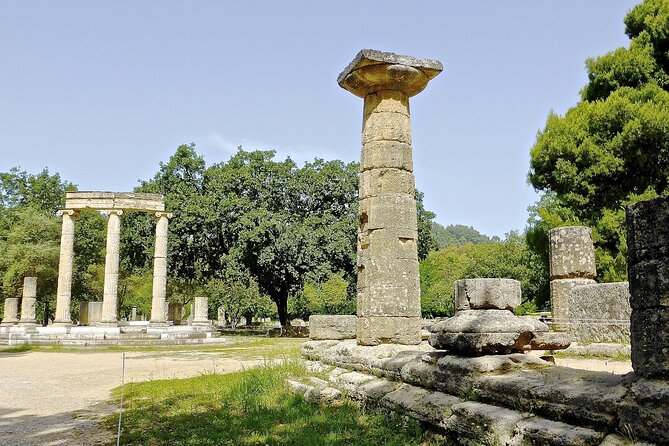
- Temple of Zeus, Hera, and the shrine of Pelops cover the sanctuary’s core stories
- The stadium’s marble starting blocks are still in place, which is wildly good for visualizing the Games
- Museum time is built in for the statue of Hermes and key Olympic artifacts
- Free wine and olive oil tasting at an agriculture association can happen if time permits
Why Ancient Olympia is worth the trip from Katakolo
Ancient Olympia is one of those places where the setting does half the explaining. You’re not just looking at random stones. You’re standing in a sanctuary tied to the origin of the Olympic Games, with references to the flame lighting and the way the Games cycle every four years.
On a cruise day, that matters. You don’t have time to “maybe-see-something.” You need a plan that moves fast but still feels meaningful. This excursion is built for that. In about half a day, you hit the archaeological site, the Museum of the Olympic Games, and a quick stop in modern Olympia.
You’ll get the best value if you’re open to facts plus storytelling. The ruins are spread out, and a good guide helps you connect temple locations, athletes’ spaces, and the stadium into one picture instead of a list of stops.
You can also read our reviews of more private tours in Olympia
From John Latsis Katakolo Port to Olympia: timing that won’t stress you out
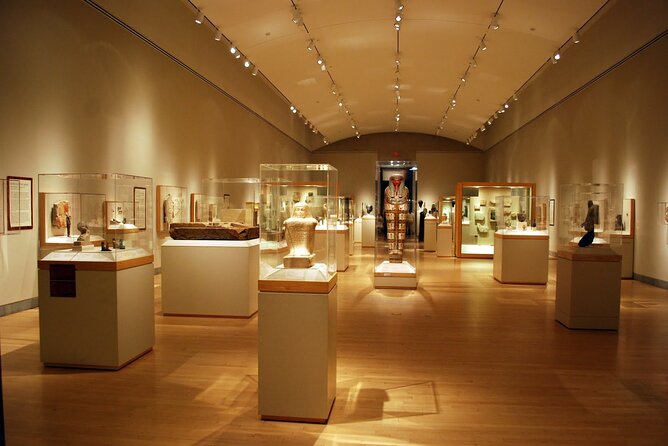
This tour solves the biggest cruise-day headache: getting from Katakolo port to Olympia and back without guessing. You’re picked up directly at John Latsis Katakolo Port, and your driver comes after you disembark.
That means less wandering around town with luggage, less “where is the meeting point again?” energy. And because return port transfers are included, you’re not improvising your way back under deadline pressure.
A few practical notes that help your day run smoother:
- Wear shoes with grip. Olympia’s ground can be uneven, especially around the archaeological site.
- Bring sun protection. Even with indoor museum time, you’ll be outside for major parts of the day.
- Keep water on hand. The itinerary is structured in about 1-hour blocks, so you’ll want to stay comfortable between them.
If you like having a plan you can trust, this setup is exactly that.
Stop 1: The Archaeological Site of Olympia and the stadium you can picture
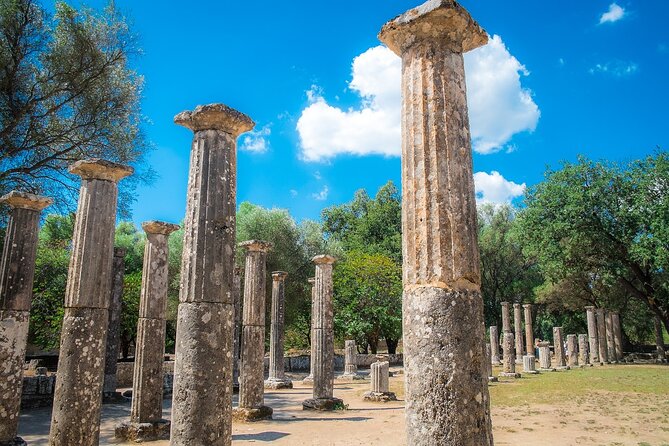
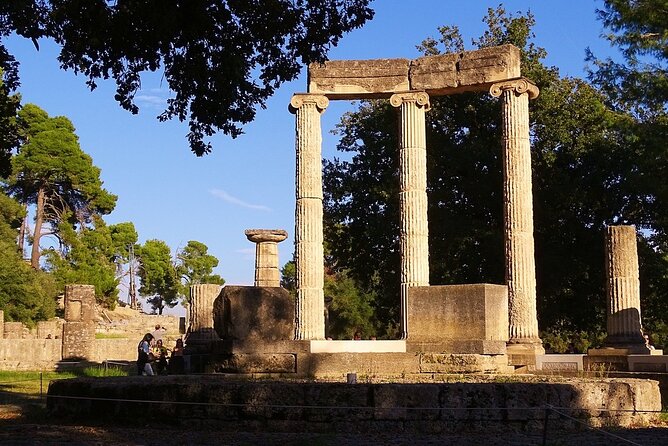
Your first major stop is the Archaeological Site of Olympia, the sacred landscape linked to the first Olympic Games in 776 B.C. This is where the Olympic flame is ignited every four years and then transferred to the host country. That detail lands differently in person. The site feels purposeful, not just old.
Here’s what you’ll see, and why it matters:
Temple of Zeus
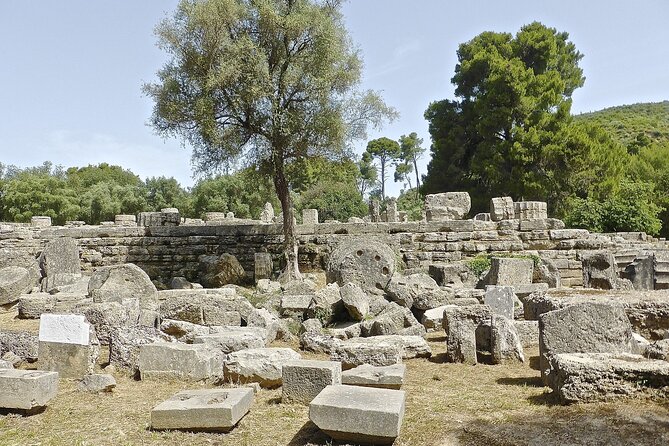
In antiquity, it housed one of the Seven Wonders of the Ancient World. You’ll also learn about the famous gold-and-ivory statue of Zeus created by Phidias. Even if you can’t see the statue itself, the idea of a towering centerpiece makes the whole sanctuary concept click.
Temple of Hera and the shrine of Pelops
The sanctuary isn’t only about Zeus. The temple of Hera and the shrine of Pelops show you that the Olympics grew out of religious space and ritual, not just sport.
The Council house and the Olympic oath
This is one of the most human pieces of the story. You’ll visit the place where athletes took the Olympic oath. It’s a reminder that rules, honor, and identity mattered—then as now.
Treasury houses, Gymnasium, and Palestra
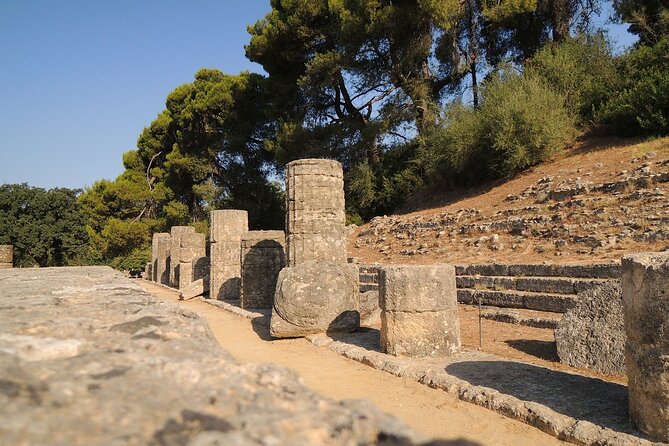
These are the “athletes’ world” areas: spaces tied to preparation and training. The Gymnasium and Palestra are especially important because they show the lead-up phase—athletes used them ahead of the Games.
The stadium and the marble starting blocks
You’ll also visit the Stadium where the marble starting blocks are still in position. That tiny detail is a big deal. Seeing where runners began helps you understand how the competition functioned, not just what it was called.
Time here is about 1 hour, so you’ll be focused on major highlights rather than wandering endlessly. That’s not a flaw. It’s the point. On a cruise day, you want the most “wow per minute” route.
Stop 2: The Museum of the Olympic Games and Hermes as a reality check
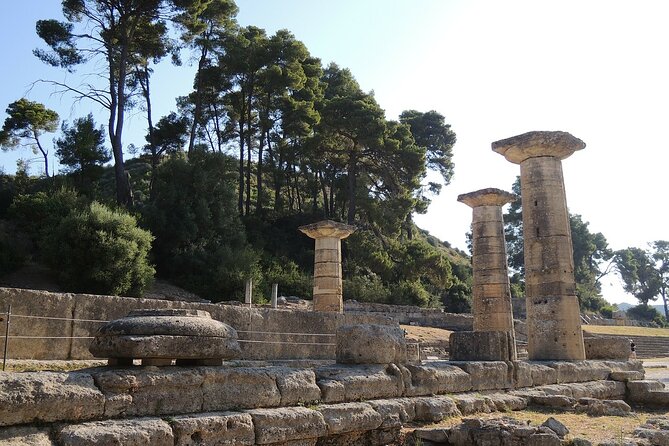
After the ruins, you’ll move into the Museum of the Olympic Games. This stop is about context. Outside, everything can feel like “wow, ruins.” In the museum, objects and displays help you understand what those places meant.
You’ll get to see the statue of Hermes, plus other significant exhibits. The Hermes statue is a powerful anchor because it pulls the sanctuary’s world into a more human, crafted form. It’s one thing to learn about an ancient sanctuary; it’s another to stand near artifacts made to last.
The museum also helps with pacing. Even if you love outdoor ruins, the break indoors is useful. You’re given about 1 hour here, which is long enough to get a meaningful feel without turning the day into a museum marathon.
One extra point: Olympia is described as being secluded near the west coast of the Peloponnese. That sense of place matters—you’re seeing a destination that was designed to feel set apart, where athletic and religious life overlapped.
Stop 3: Modern Olympia walk, coffee breaks, and the free wine + olive oil tasting
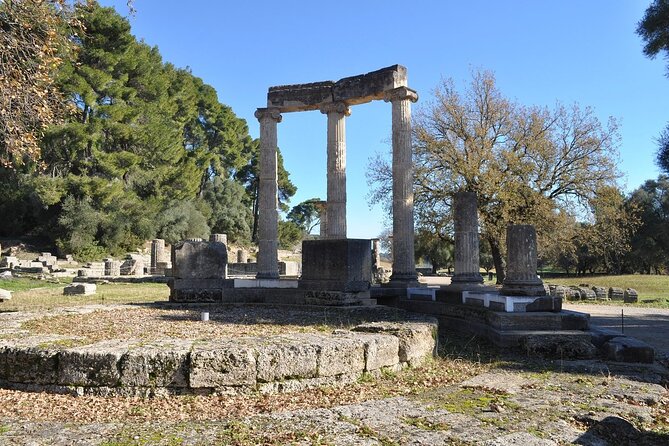
Next comes the modern village of Olympia, where you can stretch your legs and reset your brain. This is the portion of the day that turns the excursion from “ancient facts” into real-world travel.
You’ll have time for shopping or a coffee in the village. It’s simple, but it’s also a smart move. After the archaeological site and museum, you don’t want your day to end on a wall of information. A small walk helps you digest what you learned.
If time permits, you’ll also visit the Association of Agriculture. The best part: you can taste local wine and olive oil for free. This region is known for high olive oil production, so this isn’t just a random snack stop. It’s a direct connection to the Peloponnese’s food culture.
This tasting visit lasts about 30 minutes, and because it’s “if time permits,” treat it as a bonus rather than a guarantee. Either way, you’ll still get the village experience.
A few more Olympia tours and experiences worth a look
Price and what you’re actually paying for at $435.35 per person
At $435.35 per person, this is not a budget excursion. But it’s also not just you getting in a car and showing up at sites. The value is in what’s included and what’s not.
Included in the price:
- Pick up and drop off from Katakolo cruise ship
- Private transportation with an English-speaking driver
- Licensed tour guide at Ancient Olympia
- All taxes
Not included:
- Admission/entry fees for the archaeological site and museum
- Gratuities (optional)
So where does the money go? Mostly into two things that cruise travelers really feel:
1) Transportation that fits your ship’s schedule
2) A licensed guide who helps you get meaning from what you see
Private tours cost more, but you also avoid wasted time. You’re not waiting for a bus full of people who arrived late. You’re not stuck in a large group with limited questions. That’s where the price starts to make sense—especially for families or couples who want control.
If you book with more people, group discounts are offered, which can reduce the sting. Just remember that admission fees are still an extra line item, so the all-in cost will be higher than the headline price.
Practical tip: keep a little cash or card space for admissions and optional tips. It keeps the day calm.
The kind of traveler who’ll love this Olympia day
This excursion is a great fit if you:
- Want a structured highlights route in about 4 hours
- Like having an English-speaking guide explain what you’re seeing (especially at the ruins)
- Prefer private transport over shared shuttles
- Care about both sport history and religious context (Olympia is both)
It’s also a solid choice if you’ve visited other ancient sites and want one that’s strongly tied to a modern global event. The link to the Olympic flame makes the ancient world feel less abstract.
If you’re the type who needs long, slow time in each spot, this may feel a bit quick. But that’s not a deal-breaker—it’s just a mismatch in travel style.
A note on the guide experience (and why it matters)
One of the strongest themes from past experiences is how comfortable and well handled the day feels. A driver named Aggelos is mentioned for making people feel at ease and for being very knowledgeable. That combination matters on a cruise day, when the stress level can rise fast.
For you, the payoff is simple: when your driver and guide keep things organized, you spend energy on the places themselves, not on logistics.
Should you book the Private Shore Excursion to Ancient Olympia from Katakolo?
Book it if you want the best chance of seeing a lot in half a day, with private transport, port transfers, and English guidance focused on Ancient Olympia’s key sites. The stadium starting blocks, the temple stories, and the museum stop form a strong trio. Add the village walk and a possible free tasting, and you get more than just ruins.
Skip (or consider a different option) if:
- You’re trying to keep costs as low as possible, because entry fees are extra and private tours aren’t cheap.
- You prefer long, unstructured wandering over tight time blocks.
- You’re planning to arrive at the site without extra walking comfort (you’ll cover multiple areas in a short window).
If your priority is a smooth, high-impact cruise day with minimal hassle, this is a very logical choice.
FAQ
How long is the private shore excursion from Katakolo to Ancient Olympia?
It runs about 4 hours (approx.).
Are admission tickets to Ancient Olympia and the museum included?
No. Entry/admission fees are not included for the archaeological site or the Museum of the Olympic Games.
What’s included in the tour price?
You get pickup and drop-off from the Katakolo cruise ship, private transportation with an English-speaking driver, a licensed tour guide at Ancient Olympia, and all taxes.
Is this tour private or shared with other groups?
This is a private tour/activity. Only your group participates.
Where does pickup happen in Katakolo?
Pickup is from John Latsis Katakolo Port. The driver picks you up after you disembark from your cruise ship.
What language is the tour offered in?
The tour is offered in English, with an English-speaking driver.
Do you pay for the free wine and olive oil tasting?
No. If the optional stop at the Association of Agriculture happens (time permitting), admission is free and you can taste local wine and olive oil for free.
Will I receive a mobile ticket?
Yes, a mobile ticket is included.
Is the experience refundable if I cancel?
No. The experience is non-refundable and cannot be changed for any reason. If you cancel or request an amendment, the amount paid is not refunded.