REVIEW · OSAKA
Kyoto Day Trip from Osaka Port – Private Shore Excursion
Book on Viator →Operated by City Unscripted · Bookable on Viator
Kyoto in a single day, with less stress. This private shore excursion takes you from Osaka Port to Kyoto with a local English- or Japanese-speaking host, plus a flexible plan built around your interests. You’ll get a personality-based itinerary that can shift as you go.
I especially like the private pacing: your host travels with you, helps with the train logistics, and adjusts the order of sights so you spend less time figuring things out and more time seeing Kyoto. One trade-off to weigh: it’s still a full day on foot and on public transit, so it can feel tiring if you’re sensitive to walking or transfers.
In This Review
- Key Things That Make This Kyoto Day Trip Work
- A Private Kyoto Day from Osaka Port: What You Really Get in 8 Hours
- Matching with Your Host: Why the Planning Starts Before You Leave Osaka
- Public Transport Made Less Painful: From Bentencho to Kyoto
- Gion at Dusk: Lantern Streets, Photo Stops, and Geisha Sightlines
- Kyoto Imperial Palace Area: Big Architecture, Calm Ground Rules
- Fushimi Sake District: Historic Brewing and a Taste-First Stop
- Nishiki Market Wagashi and Tea Moments: The Sweet Break That Matters
- Optional Classics: How Fushimi Inari and Arashiyama Often Fit the Day
- Price and Value: What $313.37 Covers, and What You’ll Still Pay For
- Who This Tour Fits Best (And Who Might Want a Different Setup)
- Should You Book This Kyoto Day Trip from Osaka Port?
- FAQ
- How long is the Kyoto day trip from Osaka Port?
- Is this a private tour or a group tour?
- What’s included in the price?
- Are entrance fees and food included?
- Where do you meet, and where do you end?
- Do you need to bring tickets or anything special for entry?
Key Things That Make This Kyoto Day Trip Work
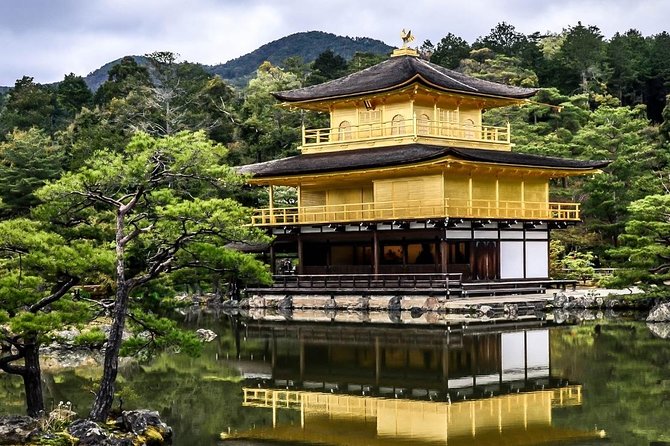
- Personality questionnaire → host matching your interests within 24 hours
- Private shore-excursion setup with only your group and a direct plan for your day
- Gion after dark with lantern-lit streets and a real chance to spot geisha in passing
- Fushimi sake district time including a stop to sample sake at a historic brewery
- Nishiki Market wagashi or tea ceremony as a built-in sweet break
- Flexibility for classics like Fushimi Inari Shrine and Arashiyama bamboo grove, if your day plan allows
A Private Kyoto Day from Osaka Port: What You Really Get in 8 Hours
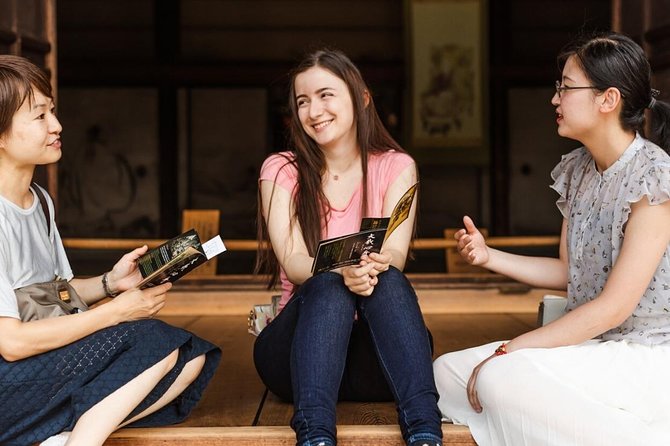
This is built for people who want Kyoto highlights without the usual mess of train apps, station confusion, and trying to time everything alone. Your day starts at Osaka Port International Ferry Terminal, and your host stays with you through the transit and the sightseeing loop. It runs about 8 hours total, including travel time.
Because you’re going on public transport, the rhythm is “move, stop, look, move again.” That’s not a bad thing. Kyoto’s major sites are spread out, and a host helps you avoid the two big time-wasters: getting lost in transfers and showing up too late for the calmer parts of each area.
Two details make this feel more practical than a generic tour. First, there’s a short questionnaire after booking, and you’re matched with a host whose style fits you. Second, the itinerary is flexible while you’re actually in Kyoto. So if you’d rather linger with photos in Gion than rush through a planned stop, you can usually adjust.
The main caution is energy. One guide (Kalid) was able to adapt for mobility issues, but the tour still involves walking between areas. If you’re traveling with older adults or anyone who gets tired fast, plan on taking it slow and using any optional transport choices your host offers.
You can also read our reviews of more private tours in Osaka

Matching with Your Host: Why the Planning Starts Before You Leave Osaka
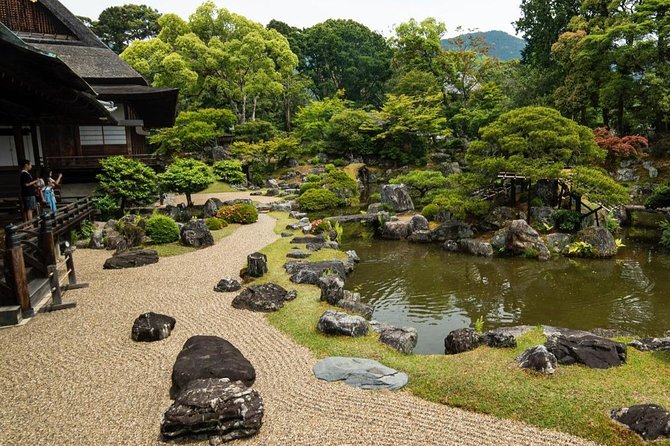
The smartest part of this experience isn’t a single temple or street. It’s the way the day is shaped around you before you arrive.
Within 24 hours after booking, you get a short personality/interests questionnaire. Based on your answers, you’re assigned a like-minded host. Then the host communicates directly to suggest an itinerary and a meeting time/place. That matters because Kyoto has multiple “correct” ways to do it. Some people want photos and street atmosphere. Others want temples and structure. Some want food stops and tea.
You’ll also get flexibility in what’s on the final day. Your host can tweak the flow during the experience so it matches your energy and preferences. Guides such as Mayura are noted for arranging extras like kimono rental, then building a route that fits a family’s pace. Other hosts like Kalid are described as actively adjusting plans for mobility needs and even adding an enjoyable way to handle the bamboo area.
This isn’t just convenience. It affects how the day feels. A host-driven day typically means you spend fewer minutes “trying to figure it out” and more minutes where Kyoto looks its best.
Public Transport Made Less Painful: From Bentencho to Kyoto
You’re not in a private van here. The included transport is based on train travel: you receive return train tickets from Bentencho to Kyoto, and your host handles the transit logistics as you travel from Osaka Port toward Kyoto.
Here’s what that means for you. You’ll want to be comfortable with the idea of walking station corridors, following a route through transfers, and keeping track of timing. One traveler noted a day that required multiple changes on the way, which is a reminder that rail days can feel long.
Still, having a host walk the route with you is a big deal. Several guides are described as excellent at navigating the rail system, especially for first-time Kyoto visitors. If you haven’t used Japan’s train network before, this is the part that can make or break your day.
Practical tip: wear shoes that can handle cobblestone-style streets and temple paths. You’ll be moving from lantern streets to shrine steps to market aisles. Even when you’re not going far, you’re usually not stopping.
Gion at Dusk: Lantern Streets, Photo Stops, and Geisha Sightlines
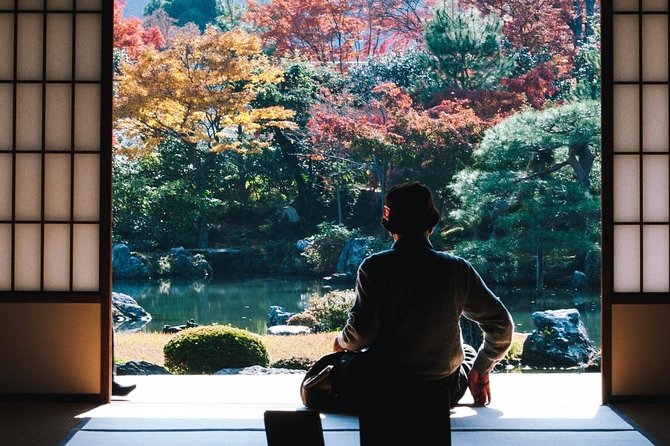
If Kyoto has one “movie scene” neighborhood, it’s Gion. This tour puts you there in a time window when the streets are lit by paper lanterns, which helps the whole area feel dramatic without needing a special ticket.
Your host takes you through Gion on foot, and the goal is simple: enjoy the atmosphere and notice details. Watch for the way streets narrow, the way signage changes, and the way old buildings frame the lantern light. It’s also one of the best places to practice a respectful kind of spotting. You might catch a geisha in passing, but the point isn’t to force it. It’s to enjoy the moment if it happens.
What I like about this approach is that it’s flexible. If you want photos, you’ll have the chance. If you’d rather just walk and people-watch, you can keep moving. Hosts like Wei are praised for giving practical knowledge about both Kyoto and Gion, which helps you understand what you’re seeing instead of treating it as just a pretty street.
Drawback to consider: Gion can involve crowds, and dusk is when you’ll likely see more people. Your host can help you choose where to stand and when to move, but you should still expect a bit of shoulder-to-shoulder energy.
Kyoto Imperial Palace Area: Big Architecture, Calm Ground Rules
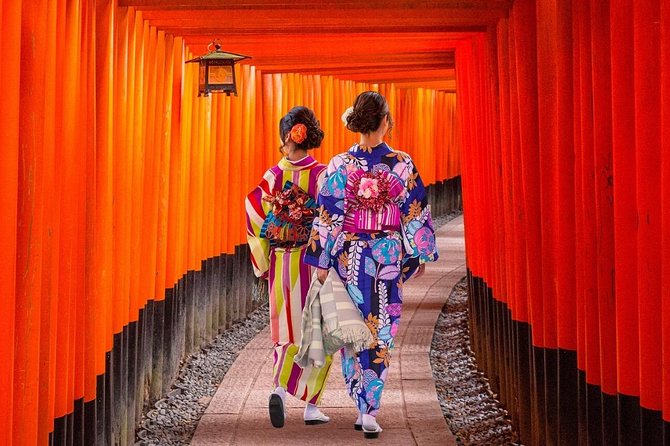
One stop on your day is the Kyoto Imperial Palace, where the architecture signals Kyoto’s former power and ceremony. Even if you’re not an architecture nerd, this is a good “breather” after busier street scenes because the spaces feel more structured.
What makes this stop useful in an 8-hour day: it gives you a different Kyoto mood. Gion is streets and lanterns. Imperial grounds shift you toward bigger lines, formal spaces, and a slower observational pace.
The only note here is entrance and time. Entrance tickets aren’t listed as included, so you may pay separately depending on what you choose to do in the palace area. Your host will help you make the call based on the rest of your schedule.
If your group is photo-focused, arrive ready with a plan for where you want to stand. If you just want atmosphere, let your host guide you between viewpoints without rushing.
Fushimi Sake District: Historic Brewing and a Taste-First Stop
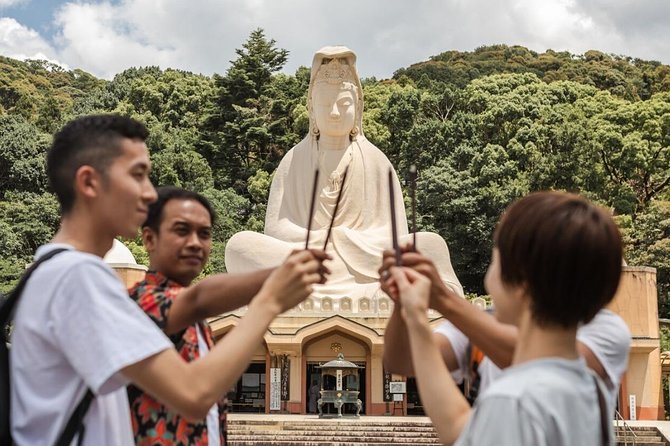
Next up is Fushimi, a classic Kyoto area for sake culture. This part of your day is built around a sake district walk and time to sample freshly brewed sake at a historic brewery.
Even if you don’t drink alcohol, this can still be fun because it’s more than a tasting counter. You get a feel for Fushimi’s old-school craft rhythm, plus a small reset from shrine steps and market browsing.
One caution: food and drinks aren’t listed as included in the basics, so treat the tasting as a planned activity with potential extra costs depending on what you order. Still, it’s a better approach than eating randomly. Your host connects you to a purpose-built stop.
You’ll also benefit from having someone explain what you’re tasting. Some guides are specifically praised for thoughtful details and explanations of the places they take you, and that’s what turns a quick sample into a memory you can describe later.
Nishiki Market Wagashi and Tea Moments: The Sweet Break That Matters
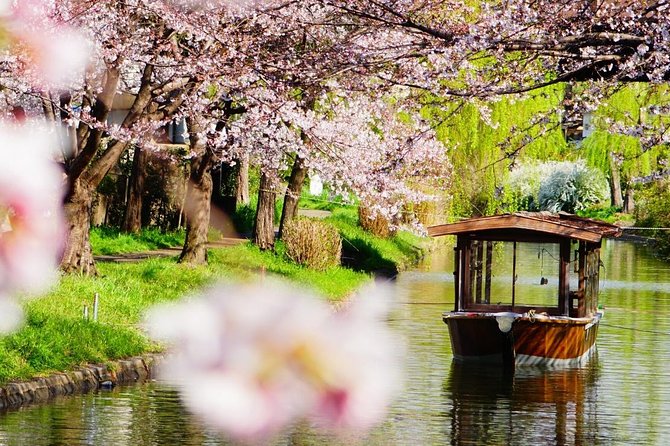
Kyoto’s markets can be a lot. Nishiki Market is especially so, with snack sellers and people moving in every direction.
This tour gives you a decision point: you can taste wagashi confections at Nishiki Market, or you can swap to a Japanese tea ceremony option, depending on what your host suggests and what you prefer.
Why this works in a tight day: a sweet and tea break can slow everything down in a good way. Instead of treating the market like a checklist, you get a specific “reason” to pause. Wagashi also makes a nice souvenir-style memory because you can compare flavors and textures rather than just buying one more snack.
Important value note: because food and drinks aren’t listed as included, you should plan for spending here if you want multiple treats. But the structure helps you avoid the most common mistake: walking past what you actually came for because you’re too busy hunting for something easy.
If you have dietary restrictions, tell your host early. The whole plan is flexible, so you should be able to adjust the stop style.
Optional Classics: How Fushimi Inari and Arashiyama Often Fit the Day
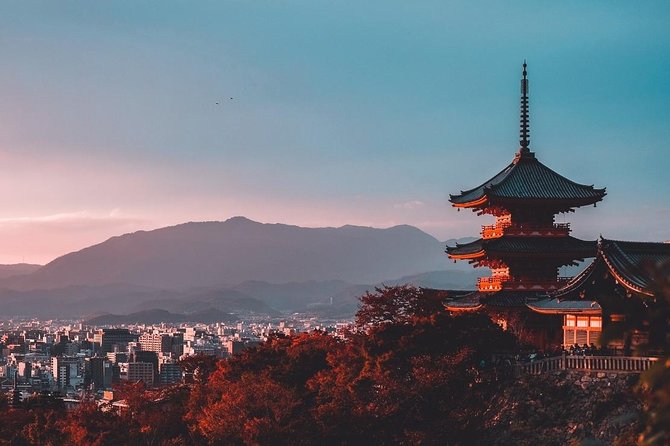
Not every Kyoto day is the same, and this one is explicitly flexible. That flexibility is where the big-name Kyoto sites often come in.
From the day’s theme and the types of routes guides are praised for, two classics show up often:
- Fushimi Inari Shrine (famous for the flame-colored tunnel)
- Arashiyama bamboo grove (often paired with a calmer walk and scenic moments)
One traveler’s day included Fushimi Inari Taisha and even a zen garden stop. Another had the bamboo grove plus a rickshaw ride through the bamboo area, which is a clever workaround when you want the look without spending energy on every step.
If you’re hoping for these, plan around timing. Bamboo and Inari can be crowd-heavy. A host’s ability to shape the order of stops can help you hit key sights at a more comfortable moment.
Also, don’t forget the “in-between” value. One guide, Loys Le Goff, is described as making time for casual local lunch and good conversation. That’s not just pleasant. It’s how Kyoto stops feeling like a photo shoot and starts feeling like a place you understand.
Price and Value: What $313.37 Covers, and What You’ll Still Pay For
At $313.37 per person, this is not a budget day trip. But it’s priced like a private shore excursion with real human support, train navigation, and a flexible plan.
Here’s what’s included:
- A personalized itinerary based on your interests
- A private experience with a local English- or Japanese-speaking host
- 8 hours with the host, including travel time
- Return train tickets from Bentencho to Kyoto
- Flexible recommendations
Not included:
- Food and drinks
- Entrance tickets
- Extra transportation beyond what’s included
- Gratuities (optional)
So what do you get for the money? You’re paying to remove friction: someone handles the train route, someone suggests a smart sequence, and your day adapts as you go. For many first-timers, that friction is exactly what costs you the most time and patience.
If you’re the kind of traveler who enjoys planning from scratch and knows public transit well, you might not feel the value as strongly. But if you want Kyoto without spending your day solving logistics, this is where the price can make sense.
Who This Tour Fits Best (And Who Might Want a Different Setup)
This private Kyoto day trip is a strong fit if you:
- Want a guided, flexible day rather than a fixed group bus plan
- Are visiting Kyoto for the first time (and don’t want to learn the rail system while on vacation)
- Care about street atmosphere like Gion and cultural stops like sake and sweets
- Travel in a small group and prefer an itinerary shaped for your pace
It may be less ideal if you:
- Have very limited mobility and would struggle with walking and train transfers
- Want minimal transit changes with maximum comfort (this tour uses public transport)
- Expect all food, entrance fees, and upgrades to be fully covered
That said, the strongest signal from guide approaches is adaptability. Kalid was able to adjust an itinerary for mobility issues and add a rickshaw option for the bamboo area. So it’s not rigid. Tell your host what you need early and build your day around comfort.
Should You Book This Kyoto Day Trip from Osaka Port?
I’d book it if you want Kyoto highlights in one day and you’d rather pay for a host than spend hours planning transit and timing alone. The biggest value is the combination of private guidance and a flexible, interest-based itinerary. That’s what turns an 8-hour day into something that feels personal rather than rushed.
I’d pause before booking if your group is very tired easily or you know you’ll struggle with train transfers and walking. In that case, ask your host how your plan can be adjusted for fewer stops or easier routing.
If you do book, do two things that will pay off fast: wear comfortable shoes and send your questionnaire with real detail about what you want (street scenes, temples, sweets, photos, slower pacing). The more clearly you communicate, the better your host can build a day that feels like Kyoto, not just a checklist.
FAQ
How long is the Kyoto day trip from Osaka Port?
It’s approximately 8 hours total, including travel time with your host.
Is this a private tour or a group tour?
It’s a private experience. Only your group participates.
What’s included in the price?
You get a personalized itinerary, a private local English- or Japanese-speaking host, 8 hours with the host (including travel time), return train tickets from Bentencho to Kyoto, and flexible local recommendations.
Are entrance fees and food included?
No. Food and drinks are not included, and entrance tickets are not included either.
Where do you meet, and where do you end?
You meet at Osaka Port International Ferry Terminal. The tour ends with your host dropping you off at Kyoto Station.
Do you need to bring tickets or anything special for entry?
A mobile ticket is listed as a feature, and confirmation is received at booking time.