REVIEW · KOBE
Kobe:Private Guide Shore Excursion to Kyoto,Osaka,Nara,Kobe
Book on GetYourGuide →Operated by Kansai Local Tours · Bookable on GetYourGuide
Kobe is a smart base for Kansai sightseeing. This private shore outing lets you mix Kyoto, Osaka, Nara, or Kobe with an English-speaking local guide using public transportation. I like the freedom to customize your route so the day matches your pace, not a fixed checklist. One thing to consider: transportation and admission fees are not included, so you’ll want cash/card budgeted for trains and any temple or castle entry costs.
You also get a real logistics helper. The guide meets you near the port terminal or in Kobe/Osaka/Kyoto/Nara, then coordinates the walking segments and the train/subway connections so you can see more than you could on your own while on a tight ship day. If you want the best value, wear comfortable shoes, because this kind of plan is a walking-and-transit day, not a sit-down sightseeing bus ride.
In This Review
- Key highlights worth planning around
- Kobe to Kyoto and beyond: what this private guide actually changes
- Choosing your route: Kyoto, Osaka, Nara, or a Kobe-focused day
- Meeting up and using public transportation without wasting your day
- Kyoto essentials you can build into your day
- Golden Pavilion area
- Kiyomizudera
- Gion
- Arashiyama
- Osaka Castle, Dotonbori, and Shinsekai: how to plan the energy
- Osaka Castle
- Dotonbori
- Shinsekai
- Nara Park and Todaiji: a shorter day that still feels big
- Nara Park
- Todaiji
- Kobe time: when staying local beats rushing far
- Shopping streets and off-the-beaten-path choices that feel like real life
- Duration choices: 3 to 8 hours and how to decide
- Price and value: is $84 per person a fair deal?
- What to bring for a smooth day
- Who should book this, and who should skip it
- Should you book this Kobe private shore excursion?
- FAQ
- How long is the Kobe shore excursion?
- What cities can we visit on this tour?
- Is the tour private?
- What’s included in the price?
- Where do we meet the guide?
- What language is the guide?
- Who should not book this tour?
Key highlights worth planning around
- True customization: you choose what you want to see and can shape the day around your interests
- Public transit navigation: the guide helps you use trains and subways efficiently, not just taxis
- Pick-up and drop-off flexibility: choose from Kyoto, Kobe, or Osaka pick-up options and end in Kobe, Osaka, or Kyoto
- Classic sights plus street-level time: temples and castles are mixed with shopping streets and casual exploration
- English live guide for smoother decisions: you can ask questions on the spot and adjust without losing time
Kobe to Kyoto and beyond: what this private guide actually changes
When your ship docks in Kobe, you’re playing time chess. You have limited hours, jet lag (maybe), and a constant question: will you spend the day sightseeing or stuck figuring out transit?
This tour’s biggest win is that it tackles the hard parts for you. You’re not just buying a route on paper. You’re getting a private local guide who can help you decide what’s worth it for your group, then move you via public transportation between areas.
That matters because Kyoto, Osaka, and Nara each have their own rhythm. Kyoto can mean temple lines and a lot of walking through historic neighborhoods. Osaka can be faster to hop around, but it’s also easy to lose time in the sheer number of street-level choices. Nara is compact enough to do well in a short visit, but the famous sights are still popular.
With a private guide, you can aim for the day that fits your priorities. Maybe you want photo-heavy classics like the Golden Pavilion or Kiyomizudera. Or maybe you want a more balanced mix with places like Gion, Arashiyama, or shopping streets for everyday texture.
And because it’s private, you’re not stuck with a group that wants one stop while you’d rather spend your energy somewhere else.
You can also read our reviews of more guided tours in Kobe
Choosing your route: Kyoto, Osaka, Nara, or a Kobe-focused day
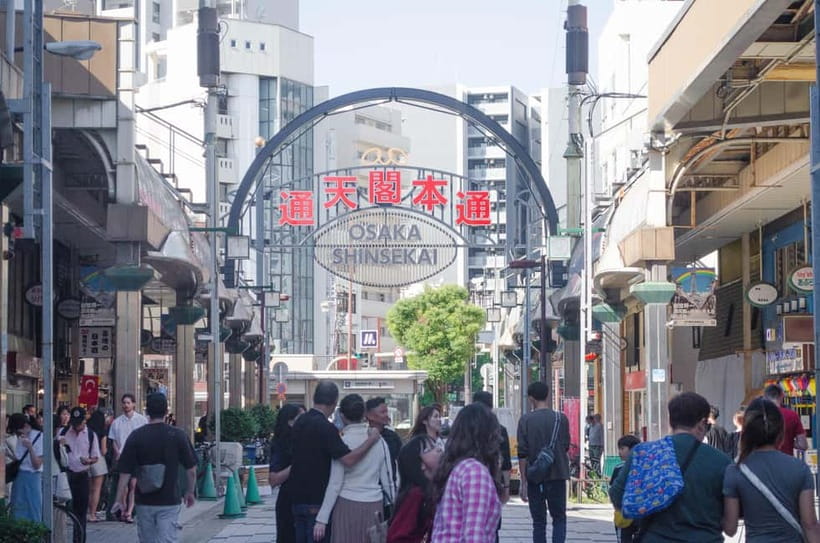
This is set up as a flexible shore excursion, not a one-size plan. You can build the day around Kyoto, Osaka, Nara, or staying within Kobe. That flexibility is useful even if you have one main goal.
Here are the most common ways people think about it:
- If you’re craving Kyoto’s iconic sights, you’ll likely stitch together stops such as Kiyomizudera, Gion, Arashiyama, or the Golden Pavilion.
- If Osaka is your must-do, you can aim for Osaka Castle, then move into areas like Dotonbori and Shinsekai for street energy and food-street atmosphere (even if you don’t have time for a full sit-down meal plan).
- If you want a day with big-name landmarks and an easier overview, Nara is often the best fit. You’ll typically include Nara Park and Todaiji.
And if your ship day is short, a Kobe-centered route can be a smart choice too. You may see places such as Meriken Park and Herb Gardens, which are good options when you don’t want to burn hours on intercity transit.
One practical note: your pick-up and drop-off choices are flexible. You can choose among Kyoto, Kobe, Osaka for where the guide meets you, and then choose to end in Kobe, Osaka, or Kyoto. That can help you match the tour to your ship schedule and your comfort level with transit.
Meeting up and using public transportation without wasting your day

You’ll meet your guide at the port terminal or in Kobe/Osaka/Kyoto/Nara depending on your selection. If you’re staying near a hotel or a train station before going out, the service can pick you up there too.
The key idea is that you’re using local transportation rather than defaulting to taxis. In Japan, public transit can be smooth and fast, but only if you’re confident with routes, transfers, and station navigation.
This is where the guide earns their fee. The day is designed around walking between a few well-chosen stops, then hopping on trains/subways to connect the dots. In one example route, Alyssa handled train and subway timing to move a group from the port into Osaka, then back toward the ship. It’s the kind of planning that can save you from the silent time sink of wrong turns and missed connections.
If you’re trying to maximize sightseeing during a limited shore window, you can also talk with your guide about using faster options like the bullet train if it helps you gain time. The tour notes that transportation isn’t included, so any faster rail option would be part of your transit budget, but the guidance on when it makes sense is the value.
Kyoto essentials you can build into your day
Kyoto can feel both magical and overwhelming. The best approach is not to try to “do everything.” It’s to pick the places that match your interests, then connect them in a way that minimizes backtracking.
This tour can include Kyoto favorites such as:
Golden Pavilion area
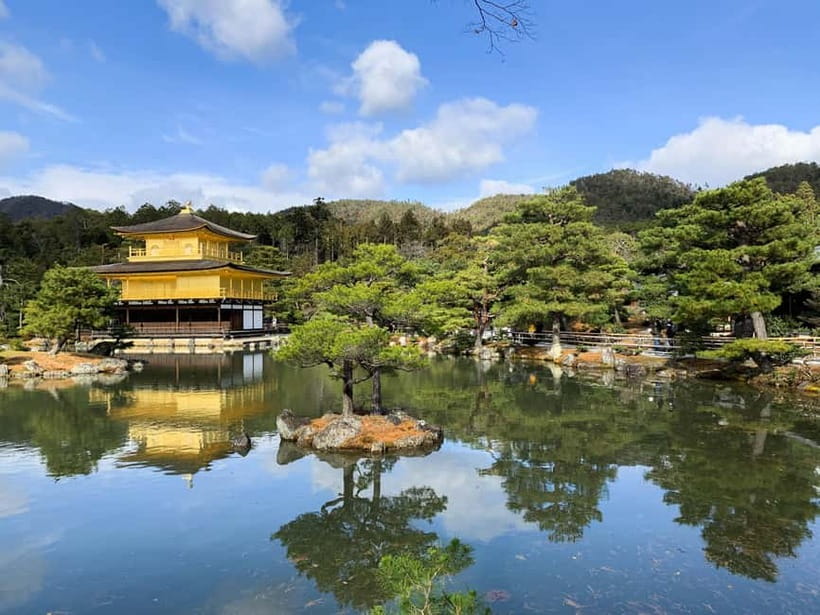
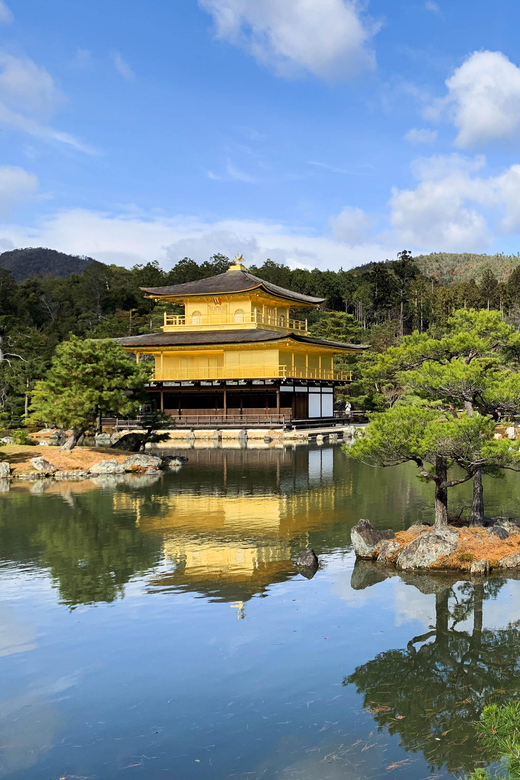
The Golden Pavilion (Kinkaku-ji) is one of those sights people remember long after the trip. It’s also the kind of stop that benefits from timing and routing. With a guide, you’re more likely to hit it as part of a sensible flow rather than as a last-minute sprint.
Kiyomizudera
Kiyomizudera is more than a viewpoint. It’s also a classic temple area where walking and surrounding streets are part of the experience. A guide helps you balance the time you spend inside the temple grounds versus the time you spend moving through the surrounding area.
Gion
Gion is where Kyoto’s atmosphere becomes visible: old-street vibes, photo opportunities, and the feeling of being in a specific place rather than just visiting a monument. It’s a good contrast stop if your day starts with bigger landmark sites.
Arashiyama
Arashiyama adds a different mood. It’s a useful option when you want your Kyoto day to feel less like one stop after another and more like a sequence of changing neighborhoods.
Potential drawback in Kyoto: if your day plan is packed, Kyoto’s walking can stack up quickly. You’ll want comfortable shoes, and you may benefit from choosing fewer major stops but spending a bit longer per stop.
Osaka Castle, Dotonbori, and Shinsekai: how to plan the energy
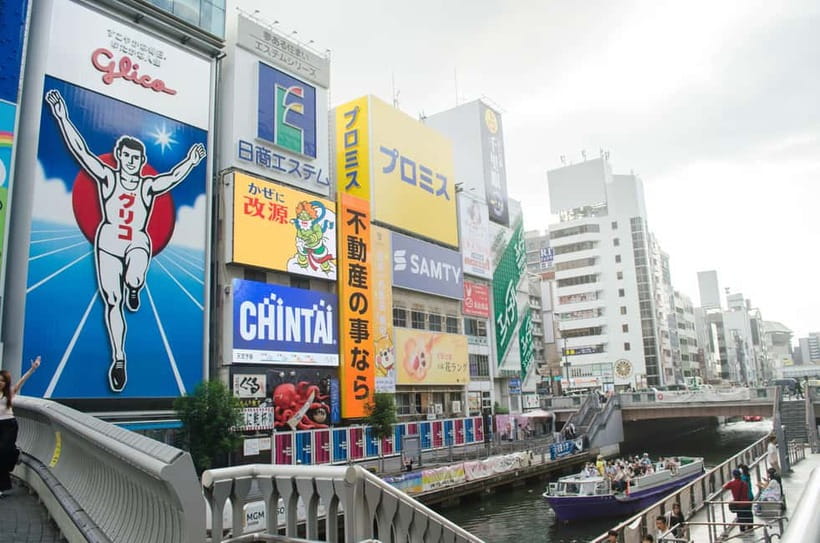
Osaka is a great city for a shore day because it often feels easier to move around than Kyoto. Still, you don’t want to spend your hours only in one area.
This tour can include:
Osaka Castle
Osaka Castle gives you a landmark anchor for the day. It’s also a strong choice if you want something distinct from the temple-focused rhythm of Kyoto.
Dotonbori
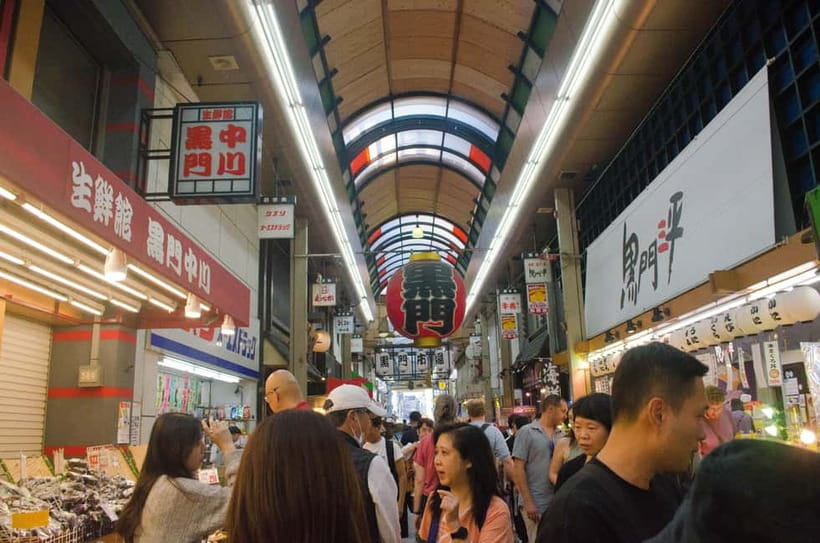
Dotonbori is one of Osaka’s best-known street areas. It’s the place where you can sense the city’s personality fast: signage, people-watching, and nonstop street life. Even if you don’t plan a full food crawl, it’s a strong visual stop.
Shinsekai
Shinsekai brings a different Osaka style. It’s a useful contrast to Dotonbori if you’re trying to avoid the feeling that you only visited the most obvious tourist lane.
What I like about the private format in Osaka: you can adjust intensity. If you want photo time and a slower wander, the guide can steer you toward that. If you want to keep momentum, they can help you tighten the route so you reach the next area before you feel rushed.
Consideration: street areas can be crowded. A private guide helps you choose the order of stops and manage walking time so you’re not constantly stuck in lines or slow-moving crowds without a plan.
Nara Park and Todaiji: a shorter day that still feels big

Nara often works well when you want one standout cultural experience without spending the whole day in transit.
This tour can include:
Nara Park
Nara Park is where the atmosphere does the heavy lifting. It’s a wide, open area with enough space to slow down and take in the setting rather than only rushing from point to point.
Todaiji
Todaiji is a major anchor site. It’s a strong reason to pick Nara over an all-temple Kyoto day, because it offers a big, memorable landmark that helps you feel like you completed something significant even with limited hours.
Possible drawback: if your timing is tight and you try to cram too many stops beyond Nara, you can end up feeling rushed in the park area where you actually want to slow down. If Nara is the priority, consider keeping the day focused.
Kobe time: when staying local beats rushing far
Not every shore day needs a cross-city marathon. If you want a calmer pace, you can stay within Kobe, with stops such as:
- Meriken Park
- Herb Gardens
These kinds of stops can be great for a first impression of Kobe, especially when you want sea-and-city scenery and less pressure to win a transit race.
Why this can be good value: if you shorten the intercity portion of the day, you may be able to spend more time enjoying each stop instead of constantly moving.
Shopping streets and off-the-beaten-path choices that feel like real life
One of the most practical parts of this tour is the attention to how people actually spend time. Along with famous landmarks, you can add:
- Shopping streets
- Off-the-beaten-path destinations
- Lesser-known sightseeing spots based on your interests
This is not just about buying souvenirs. It’s about turning one big sight day into a more complete sense of place. A guide can help you pick streets that match your mood: casual wandering, small photo opportunities, or a calmer break from the major attractions.
Also, shopping street time is where you can ask real questions: what to try, where to pause, or what to skip if the line or crowd feels like too much for your group. This kind of flexibility is hard to replicate on a self-guided day.
Duration choices: 3 to 8 hours and how to decide
The tour runs anywhere from 3 to 8 hours. That range matters because the best itinerary depends on whether you’re going for one or two zones, or stacking multiple areas.
Here’s a simple way to decide:
- 3–4 hours: good for a focused plan, often Kyoto-or-Osaka focused, or a Kobe-centered day with local sights.
- 5–6 hours: a sweet spot for a couple of major stops plus some street time.
- 7–8 hours: best when you want more than one city flavor in a single day, or when you want deeper time at fewer stops.
Don’t underestimate the value of leaving slack. Public transit works well, but walking still takes time. A flexible guide can help you shift if a stop takes longer than expected or if the crowd level feels too intense.
Price and value: is $84 per person a fair deal?
The price is $84 per person. That might sound straightforward until you compare what you’d do on your own.
Here’s the value logic:
- You’re paying for a local guide who speaks English and can help you customize.
- You’re paying for pickup and drop-off, which matters when you’re starting at a port terminal or trying to avoid station confusion.
- You’re also paying to reduce the time-cost of decision-making: which stop first, how to connect neighborhoods, and what to swap if something isn’t working.
What’s not included is important: transportation, meals, and admission fees are extra. Since transit fares and attraction entry can add up, you should budget for those in addition to the tour price.
Still, for many groups, the math favors a private guided plan because you save time and stress. Time is the currency on shore excursions, and this format spends it on sightseeing rather than navigation.
What to bring for a smooth day
This one is simple. Bring:
- Comfortable shoes
- Camera
- Water
You’ll be walking enough that shoes really matter. Japan days can also shift from sunny to cooler quickly, so water is a smart move.
Also note: smoking isn’t allowed.
Who should book this, and who should skip it
This tour fits best if you want:
- A private, English-speaking guide
- A shore-friendly plan that uses public transportation
- Flexibility to choose from Kyoto/Osaka/Nara/Kobe instead of being locked into one route
It’s not suitable for pregnant women, and it isn’t suitable for people with mobility impairments or wheelchair users. If that’s relevant for your group, you’ll want to look for a different style of tour with more accessibility support.
Should you book this Kobe private shore excursion?
Book it if you want a smart, flexible day that reduces planning stress. The private format is a big deal here: you can tailor the day toward Kyoto classics like Kiyomizudera, Osaka anchors like Osaka Castle, or Nara highlights like Todaiji, then round it out with shopping streets and smaller stops.
Skip it if your ideal day is mostly low-walking, low-transit, or if you’d rather self-navigate everything with zero extra costs. Also remember: the tour price does not include transportation or admission fees, so you’ll want to budget for transit fares and any ticketed entry.
If you like the idea of getting your bearings fast with a guide who can handle train and subway connections, this is a solid way to turn one port day into a real Kansai experience.
FAQ
How long is the Kobe shore excursion?
The duration ranges from 3 to 8 hours. You can check availability to see the starting times.
What cities can we visit on this tour?
You can visit Kyoto, Osaka, Nara, or stay within Kobe. The itinerary is customizable based on your interests.
Is the tour private?
Yes. It is a private group tour with a local guide.
What’s included in the price?
Included features are the local guide and pickup and drop-off. Transportation, meals, and admission fees are not included.
Where do we meet the guide?
You can meet the guide at the cruise ship terminal, a hotel, or a train station. You’ll also choose the meeting place when booking.
What language is the guide?
The live tour guide is available in English.
Who should not book this tour?
The tour is not suitable for pregnant women, people with mobility impairments, or wheelchair users.