REVIEW · KETCHIKAN
Ketchikan: Alaska Native Cultural and Scenic Shore Excursion
Book on GetYourGuide →Operated by Clan House Tours · Bookable on GetYourGuide
Totem poles, then wildlife—sounds like a good Ketchikan day. This shore excursion blends Haida and Tlingit family stories with practical nature spotting, plus a stop at the Totem Heritage Center. I really like that it’s not just photo stops; you learn what you’re looking at.
Two things I liked a lot: first, the Totem Heritage Center visit feels meaningful because you hear the meanings and stories tied to the poles, not just the shapes. Second, the guide’s stories about daily life and heritage make Ketchikan feel personal, the way a good local chat does. Add in the van setup with microphones, and you can actually follow along from anywhere in the group.
One consideration: this is a drive-and-stop day. If you have back problems, the frequent getting in and out of the van may be uncomfortable.
In This Review
- Key things I’d highlight
- First impressions: a small-van tour that actually lets you hear
- Price and what you get for $89 (2.5 hours)
- Getting started at the Ketchikan Visitors Bureau (and why meeting matters)
- Stop-by-stop: what each viewpoint is really good for
- Salmon Ladder Vista: where the story turns into real nature watching
- The Tongass Highway photo stop: quick views, slow learning
- Rainbow Falls: a scenic pause with wildlife odds
- Herring Cove: a change of pace with more wildlife time
- Totem Heritage Center: the cultural payoff you can walk through
- What I learned on the rainforest and plant stops (and why it’s useful)
- The guides: why their backgrounds matter
- Wildlife spotting reality check: plan, patience, and good scanning
- Who this tour is best for (and who should skip it)
- Should you book Clan House Tours in Ketchikan?
- FAQ
- How long is the Ketchikan Alaska Native cultural and scenic shore excursion?
- What is included in the tour price?
- Where do I meet the guide?
- What animals might I see during the tour?
- Is the tour guided, and what language is it in?
- Is this tour suitable for everyone?
Key things I’d highlight
- Microphone-equipped van so the guide’s narration stays clear from any seat
- Haida and Tlingit storytelling paired with real cultural context, not a history lecture
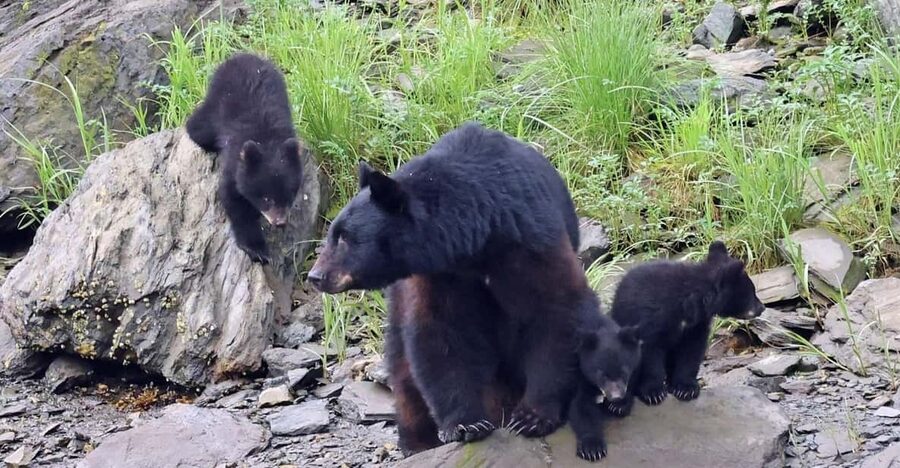
- Wildlife spotting at multiple stops with built-in viewing time for bears, salmon, and eagles
- Rainforest plant lessons, including what’s medicinal and what’s edible (and why locals pay attention)
- Totem Heritage Center entry included, plus a focused visit window to actually see the work up close
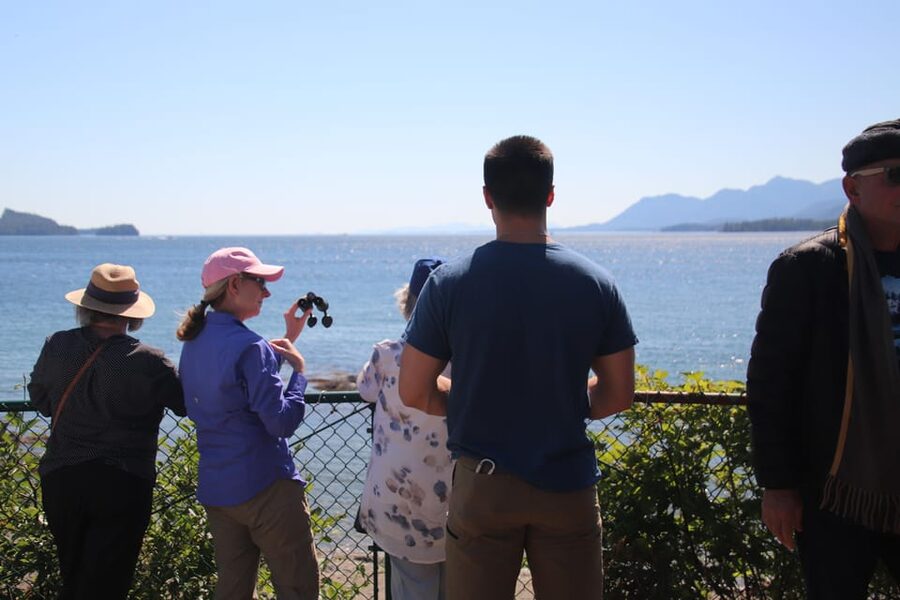
- Binoculars and a water bottle included, so you’re not scrambling to improvise on shore
First impressions: a small-van tour that actually lets you hear
Ketchikan can feel like a place you either rush through with your camera or you slow down and learn the human side. This tour does the second one, and it helps that it’s done in a van set up with microphones. That matters more than it sounds. When you’re on a cruise day, your ears are usually packed with ocean noise, wind, and other people’s conversations. Here, you can still catch the details.
I also like the tone of the experience. It’s not trying to turn Native culture into a “show.” It’s more like being taught by someone who grew up with these stories, then learning how they connect to the land—rainforest plants, sea life, and the animals you might spot from overlooks.
And yes, you’re still outdoors a lot. You’ll do short stops, take photos, and scan for wildlife. This is a good match if you want views without having to hike for hours.
A few more Ketchikan tours and experiences worth a look
Price and what you get for $89 (2.5 hours)
At $89 per person for about 2.5 hours, I think the value is mostly in three places:
- A local guide with firsthand context. You’re paying for more than driving. You’re paying for stories you can’t easily reproduce from a brochure.
- Hands-on viewing tools. Binoculars and a water bottle are included, which makes it easier to focus on wildlife spotting instead of managing gear.
- A paid cultural stop built in. Totem Heritage Center entry is included, and that reduces the “nickel-and-diming” you get on some shore excursions.
Is it the cheapest option in port? Probably not. But it’s also not trying to be a full-day tour. For a limited cruise window, this hits a sweet spot: enough time to see multiple viewpoints and still absorb cultural context.
Getting started at the Ketchikan Visitors Bureau (and why meeting matters)
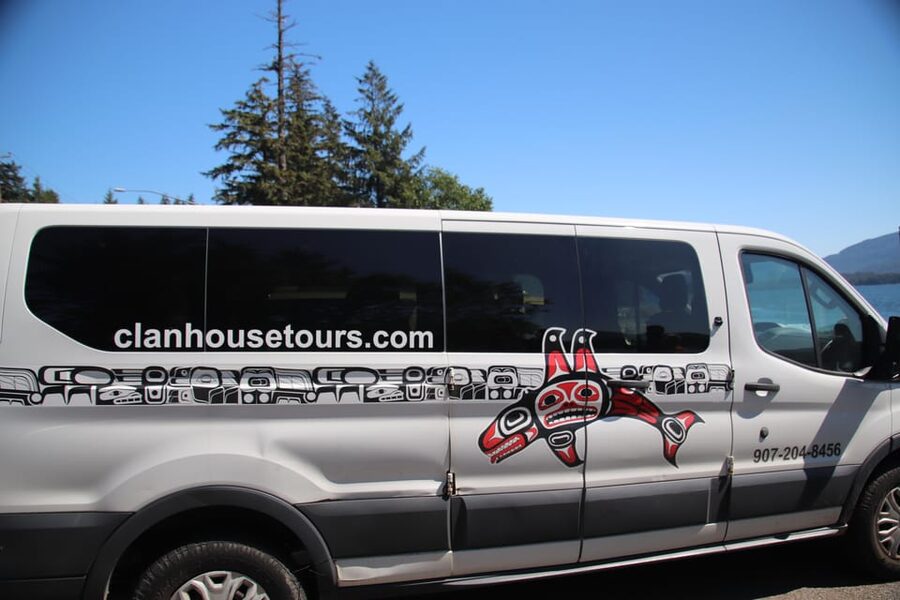
You meet at the Ketchikan Visitors Bureau on berth 2, next to the Liquid Sunshine Gauge. Your guide is easy to spot: they’ll be holding a sign for clan house tours and standing near the rain gauge.
That setup is surprisingly important on Ketchikan cruise mornings. The port area can be busy, and you don’t want to waste the first 20 minutes hunting for the right group. If you’re the kind of person who likes to be early, this is a good place to show up with a little buffer—get your bearings fast, then settle in.
Stop-by-stop: what each viewpoint is really good for
Salmon Ladder Vista: where the story turns into real nature watching
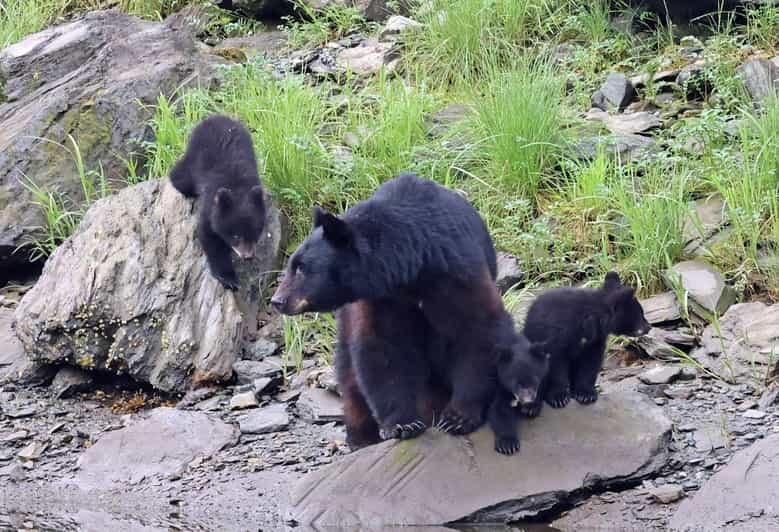
The first scenic break is Salmon Ladder Vista, with a short photo stop and time for sightseeing and wildlife viewing (about 15 minutes). This is the kind of Ketchikan spot where you can feel the importance of salmon even if you’re not a wildlife expert.
What I find useful here is the guided framing. You’re not just told, “Look for fish.” You hear the why behind salmon in the local world, then you’re positioned to actually see activity.
Practical tip: use your binoculars if you can. From overlooks, small motion and flashes matter more than distant shapes.
The Tongass Highway photo stop: quick views, slow learning
Next is a photo stop along S Tongass Hwy (around 20 minutes). This part is more about perspective and context: you’re moving through the area while the guide connects land features to traditional life and present-day observations.
You’ll probably use this segment to:
- grab photos without rushing,
- ask yourself what you’re seeing in the larger setting,
- and get ready for the stronger wildlife moments coming up.
Drawback: if you’re hoping for a long “wow” viewing window every stop, this one is brief. It’s efficient rather than extended.
Rainbow Falls: a scenic pause with wildlife odds
Then it’s Rainbow Falls (about 30 minutes). The time here is longer, and that’s a good thing—falls areas often come with wind, moving water sounds, and changing light, so having more minutes improves your chances of catching wildlife.
This is also one of the places where people tend to look for bigger birds, and it’s easy to get absorbed by the motion of water. The guide helps you split your attention between the obvious view and what might be happening nearby.
One more detail that’s worth your mindset: this tour doesn’t promise wildlife like a guarantee, but it does build in enough waiting time at multiple stops that your odds are better than if you only had a minute at each overlook.
Herring Cove: a change of pace with more wildlife time
Next you head to Herring Cove (about 25 minutes). You get another photo stop and extra wildlife viewing time here. Coves can be productive because they concentrate activity—birds, fish-related feeding behavior, and sometimes surprises at sea level.
One of the strongest points from the experience is that the guide’s scanning skills seem to pay off. I’ve heard of wildlife sightings that were close enough to feel almost unreal, like whales spotted only a short distance away. That doesn’t mean it happens every time, but it does tell you the guide is actively watching, not just reading a script.
Totem Heritage Center: the cultural payoff you can walk through
Finally, you reach the Totem Heritage Center (about 30 minutes). This is your chance to slow down and see the totems up close. And because the narration sets context earlier, you’re more likely to notice details you’d otherwise skip.
The experience here is partly self-guided—you walk through and look at the poles and displays at your own pace within the time window. That’s smart. Not everyone processes information the same way. Some people want to read every label; others just want the photo and the meaning.
If you care about cultural craftsmanship, this is the moment where the tour becomes more than a drive-by. The poles aren’t just scenery; they’re story markers and community art.
What I learned on the rainforest and plant stops (and why it’s useful)
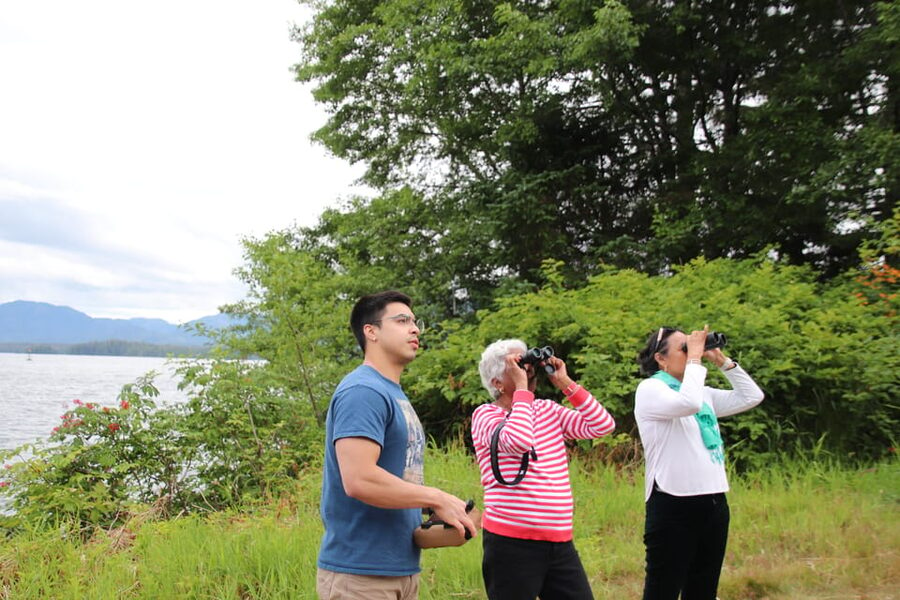
One of the best parts of this tour is the way it treats the rainforest as a living pantry and pharmacy, not just green scenery. You’ll travel through the rainforest and learn about medicinal and edible plants, including berries.
Even if you never plan to forage yourself, this kind of knowledge changes how you see the ecosystem. You start noticing how locals understand the timing of growth, the relationship between water and plants, and why certain species matter.
This is also where the stories come into focus. Family stories passed down over generations aren’t just trivia. They explain how people learned what works, what doesn’t, and how to respect resources.
The guides: why their backgrounds matter
A recurring strength with this experience is that the guide connection feels real. In particular, I’ve heard names like Carrie, Rebecca, and Johnny tied to the tour, each described as passionate and able to explain true history and culture in a way that still lets you enjoy nature.
You don’t need a degree to appreciate this. You can feel it when:
- the explanation matches what you’re seeing,
- the guide answers questions with confidence,
- and the group isn’t treated like an interruption to a checklist.
If you want a shore excursion where someone is actually invested in Ketchikan, this is the right style.
Wildlife spotting reality check: plan, patience, and good scanning
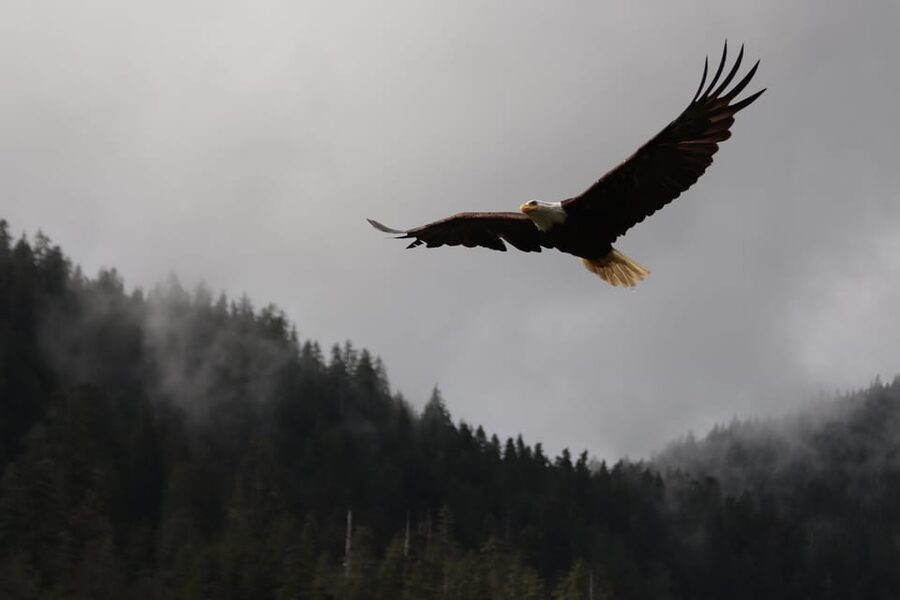
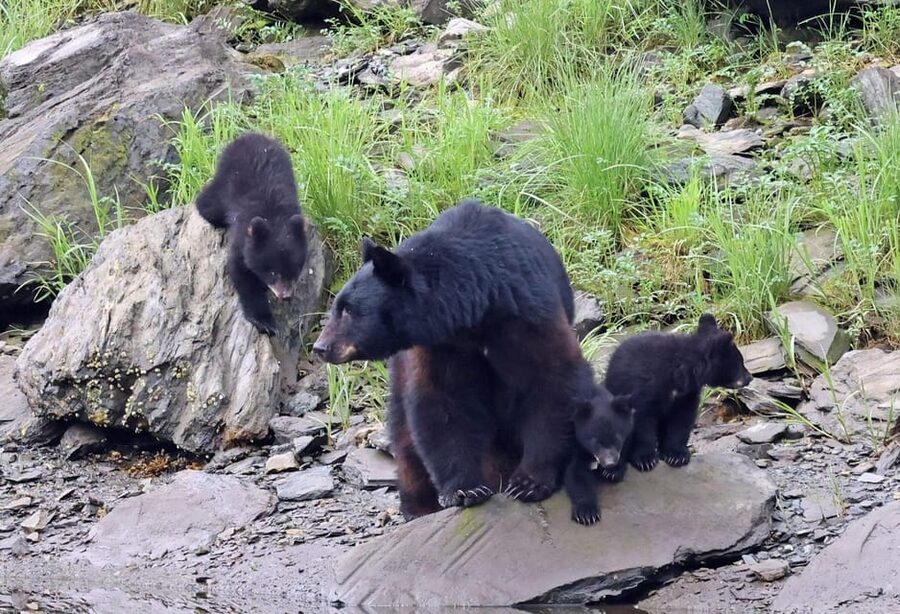
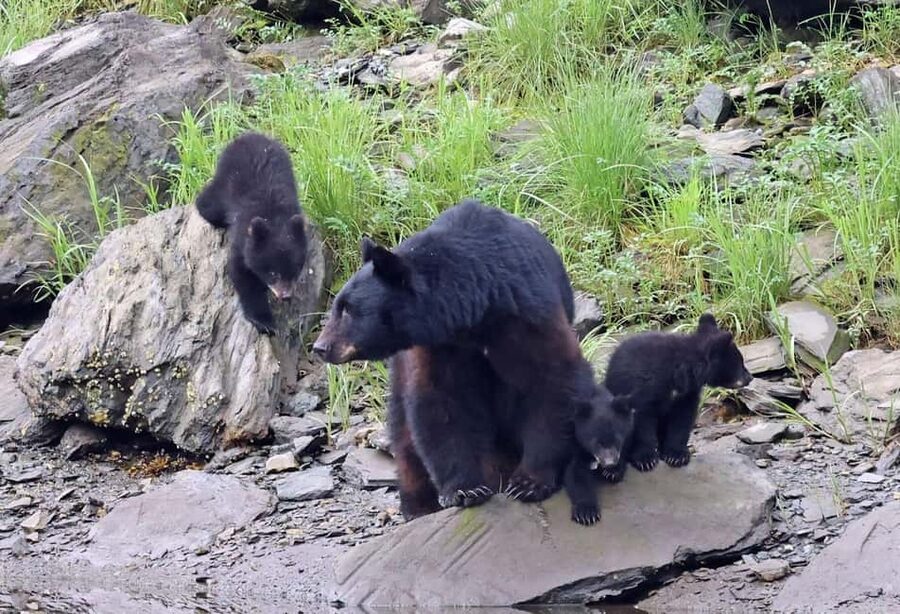
This tour includes wildlife viewing at several stops, and you’ll specifically be looking out for bears, salmon, and eagles. It’s set up to help you with that, not just mention it.
Here’s the practical truth: Ketchikan wildlife depends on timing, weather, and luck. But you can improve your chances by doing two things:
- stay alert during the stop time, not stuck in your phone,
- and scan the areas your guide indicates rather than aiming your camera everywhere at once.
The binoculars included help a lot. With bears, the difference between “there’s something over there” and “oh wow, that’s a bear” is often just angle and magnification.
Who this tour is best for (and who should skip it)
This is ideal if you:
- want Native culture taught with respect and context,
- like wildlife viewing without long hikes,
- appreciate guided storytelling more than a high-speed checklist,
- and want a shore excursion that fits a cruise schedule.
It’s less ideal if you:
- have back problems (you’ll be doing van rides plus frequent stops),
- dislike getting out for short photo breaks,
- or need a fully leisurely pace with minimal movement.
Should you book Clan House Tours in Ketchikan?
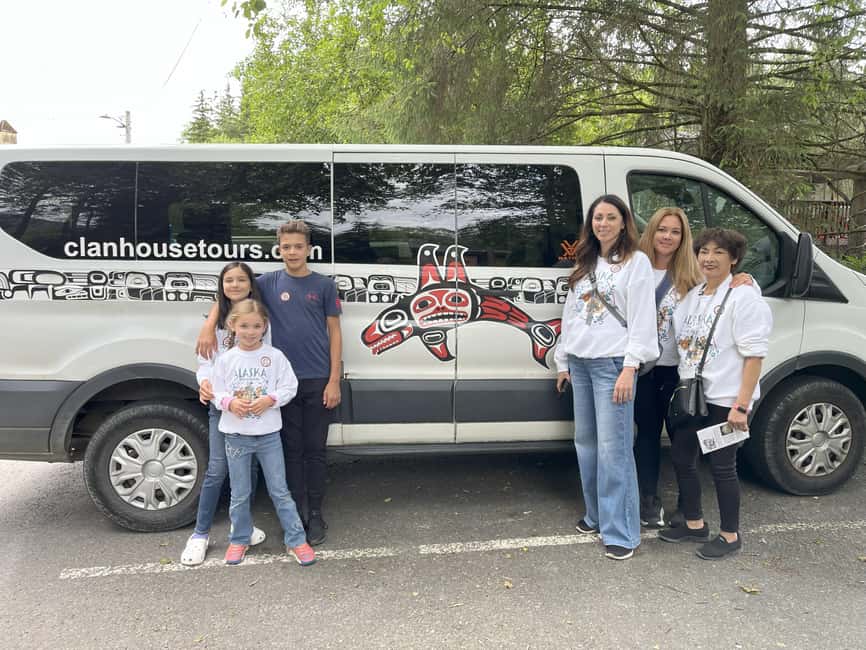
If your goal is to understand Ketchikan beyond postcards, I’d book this. The mix of cultural storytelling, rainforest plant education, and multiple wildlife viewing stops feels like a thoughtful use of a short port day. The microphone-equipped van is a small detail that makes a real difference, especially when groups are clustered and you still want to hear everything clearly.
Book it if you’ll make the effort to look and listen during the stop times. Pass if you want a long, slow, low-movement tour—or if your back doesn’t handle repeated getting in and out of a van well.
FAQ
How long is the Ketchikan Alaska Native cultural and scenic shore excursion?
It lasts about 2.5 hours.
What is included in the tour price?
You get a water bottle, a granola bar, binoculars, and entry into the Totem Heritage Center.
Where do I meet the guide?
Meet at the Ketchikan Visitors Bureau on berth 2, next to the Liquid Sunshine Gauge. The guide will have a clan house tours sign and stand next to the rain gauge.
What animals might I see during the tour?
The tour includes wildlife viewing with a focus on bears, salmon, and eagles at multiple stops.
Is the tour guided, and what language is it in?
Yes, it’s a live guided tour in English.
Is this tour suitable for everyone?
It is not suitable for people with back problems.