REVIEW · HAMBANTOTA
Hambantota Port: Yala National Park Safari (Shore Excursion)
Book on GetYourGuide →Operated by Ceylon Nature Tours · Bookable on GetYourGuide
Leopards and elephants in five hours. A Yala National Park safari from the Hambantota area gives you a real shot at big wildlife, plus the easy port-area pickup and drop-off that matters on a cruise day. The main catch is that park entrance fees aren’t included, so you’ll want to budget for the gate cost before you go.
I like that the day is built around time in the park, not long sightseeing detours. You ride in a 4×4 jeep through Ruhunu Yala, where Yala’s reputation for elephants, leopards, and sloth bears comes from the way animals share the landscape. You also get plenty of chance to scan for birds, including residents and winter visitors, because Yala is recorded for 130+ bird species.
One more reality check: Yala is wild. If the animals aren’t in the mood to show off, you still come away with the scenery, animal tracks-and-trails feeling, and a guide who’s working roads and sight lines all day. This is still one of the better “one-day wildlife fixes” from Hambantota.
In This Review
- Quick hits
- How the Hambantota Port shore pickup feels in practice
- Ruhunu Yala National Park: why it’s famous for leopards
- Wildlife you can realistically hope to see on a 4×4
- Birdwatching on the Indian Ocean side of Yala
- The 4×4 safari style: what the ride is really like
- Price and entrance fees: getting the math right on $49
- English and guiding expectations: what to watch for
- When a cruise day goes sideways: protect your schedule
- Who should book this Yala safari from Hambantota Port
- My practical verdict: should you book?
- FAQ
- FAQ
- How long is the Yala National Park safari shore excursion?
- Where do you get picked up for this safari?
- What’s included in the $49 per person price?
- Are the Yala National Park entrance fees included?
- What vehicle is used for the safari?
- Is there an English-speaking guide?
- Is there free cancellation?
- Can I reserve without paying right away?
Quick hits
- Ruhunu Yala access from Hambantota Port with pickup and return built for shore excursions
- 4×4 jeep safari aimed at spotting elephants, leopards, and sloth bears
- High wildlife variety in one place: mammals, reptiles, and birds
- Indian Ocean setting with animals and birds recorded across the area
- Entrance fees extra (plan your total cost up front)
- English tour support listed, but I’d still prepare for possible communication gaps
How the Hambantota Port shore pickup feels in practice
If you’re doing this on a cruise day, the big win is simple: you’re collected from the Hambantota Port or the wider Hambantota area and brought back after the safari window. That removes a headache you’ll feel with any independent plan—getting to a safari starting point on time, then somehow returning before the ship’s all-aboard time.
The safari runs for 5 hours, so you’re not signing up for a full-day grind. You’ll be thinking in terms of a single loop: drive into the park zone, spend the main chunk of time on the safari roads, then head back toward the port. The included transfer also means you don’t have to mess with hiring cars or figuring out local routes under time pressure.
Just keep one practical point in mind: this is a shore excursion, so minutes matter. Confirm your pickup details and treat the departure time as firm. One bad pickup day can ruin a whole itinerary—and at least one booking experience for this kind of tour has reported the operator not showing up. I’m not saying that’s typical, but I am saying you should plan like it could happen: verify timing and have a way to reach the operator that day through the booking channel.
A few more Hambantota tours and experiences worth a look
Ruhunu Yala National Park: why it’s famous for leopards
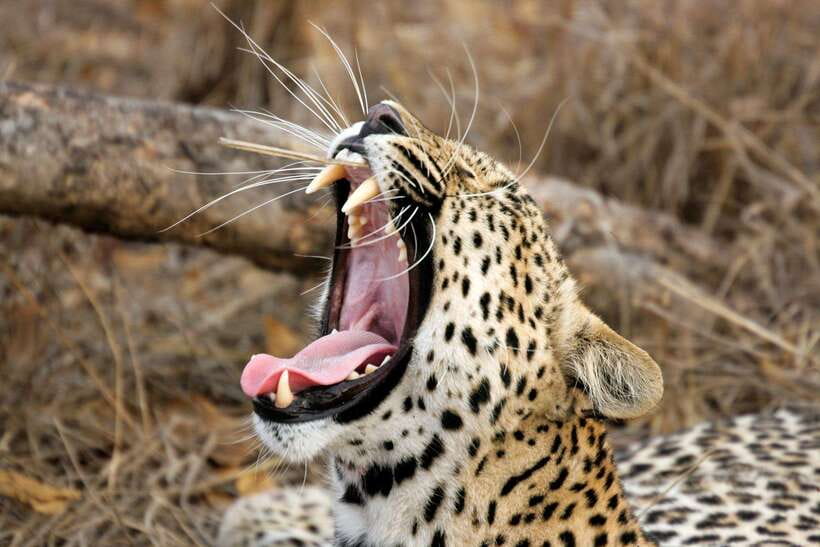
Yala is known for animals that draw a crowd, and the reason is geography plus concentration. This safari focuses on Ruhunu Yala National Park, covering 126,786 hectares, and the park’s reputation centers on big herds and the chance of seeing predators where other parks might spread them out.
The goal on your jeep drive is straightforward: search for the world’s concentrated number of leopards, plus sloth bears and elephants. That phrasing matters. It’s not promising a guaranteed sighting of every animal. It’s telling you where your time is going—on the roads and viewing spots that give the best odds, guided by local knowledge and active scouting.
You’ll also get context from the driver/guide while you’re moving. The tour description includes learning about how animals live there and the work done to preserve the habitat. In practice, that shows up as more than lecture. It’s cues like where animals tend to travel, how water and shade can shape movement, and what to watch for beyond the headline species.
And yes, Yala’s setting helps. The park sits alongside the Indian Ocean, so you’re not just driving through flat scrub. You’re moving through a coast-adjacent ecosystem where wind, light, and the terrain all change the way animals appear and disappear.
Wildlife you can realistically hope to see on a 4×4
A 5-hour safari is short enough that you should think “opportunities” more than “checklist.” Still, Yala is one of the places on earth where your odds feel better than average. This safari is built around scanning for several groups at once: big cats, large mammals, and reptiles that show up near water and open areas.
Here’s what you should plan to look for, based on what this route is designed to cover:
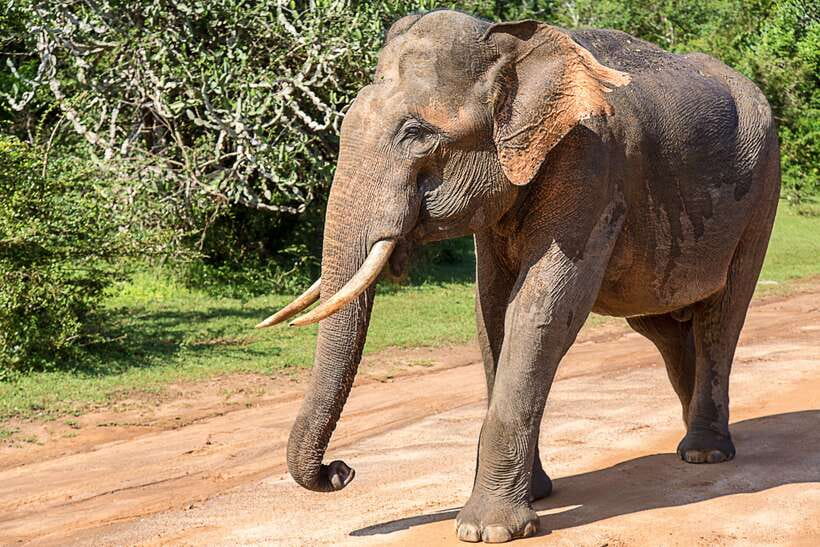
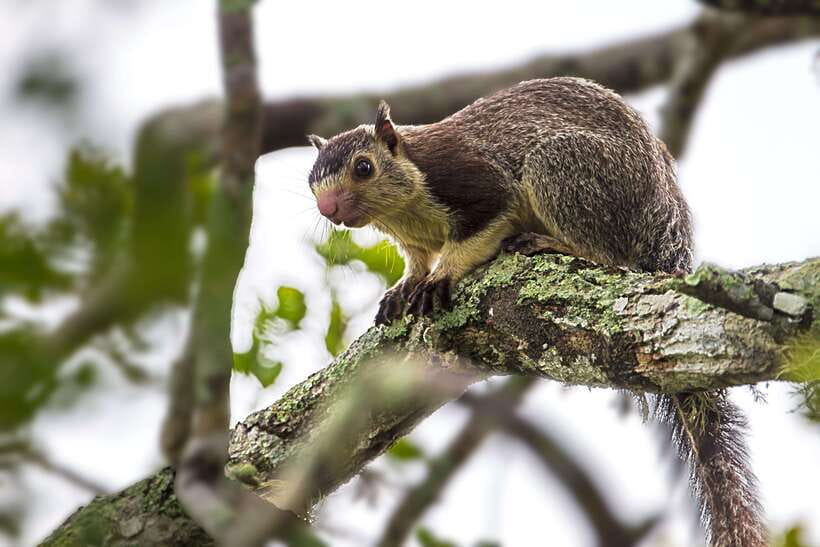
- Elephants: Yala is famous for big herds, and one of the strongest signals from real experiences is that elephants often become the standout moment. If you see a family group moving through the scrub, it tends to hold attention longer than a quick pass-by.
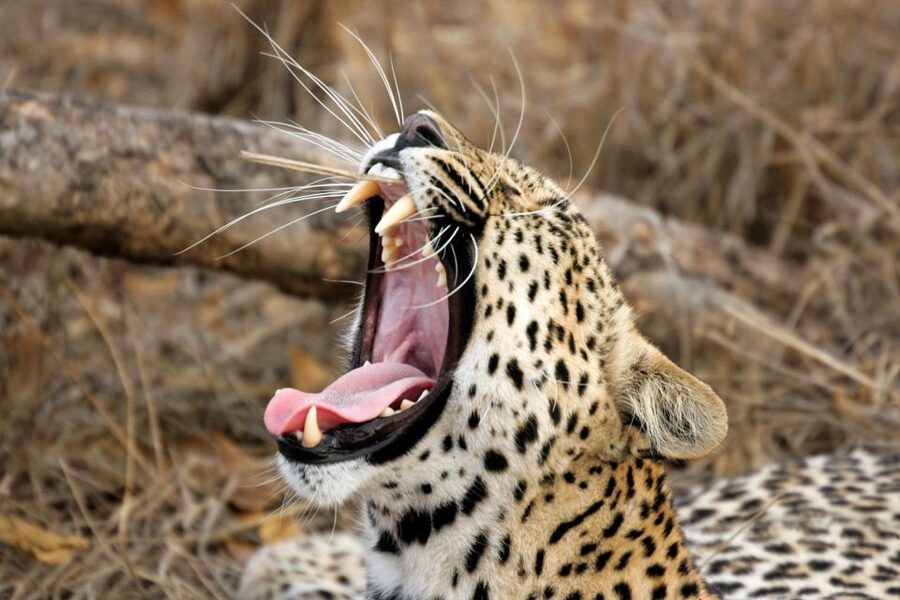
- Leopards: Yala’s leopard fame is the big story. You’ll be searching for them during the drive, and sightings depend on animal behavior and where the safari traffic finds the best positioning.
- Sloth bears: These are trickier to spot than elephants, so your guide’s ability to track signs and manage the jeep stops makes a difference. When people mention sloth bears in Yala, it’s usually because the sight is memorable even when brief.
- Spotted deer and sambhur (sambar deer): If predators are quiet, these herbivores often keep the park active. Keep your eyes on edges and open clearings where animals step out to feed.
- Crocodiles: If the safari roads bring you near water zones, crocodiles are on the list. Even seeing them at a distance changes the whole feel of the ecosystem.
- Wild buffalo: Another animal that can show you how the park behaves as a shared space, especially when you’re watching movement patterns.
- Mongoose, wild boar: Smaller animals matter too. They’re not always eye-catching like elephants, but the sightings can be frequent if you’re patient and watching carefully.
A simple mindset helps: don’t only stare for the big silhouette. Look for motion first. Watch how trees and bushes hide movement. In safari conditions, you’re often identifying animals by a brief shape change or the way a group of birds reacts.
Also, don’t ignore the in-between moments. When wildlife is present, guides usually adjust the jeep positioning to keep sight lines clean. When wildlife is not present, you’re still learning the terrain and how animals use it. Either way, you get a close-up look at how the park functions.
Birdwatching on the Indian Ocean side of Yala
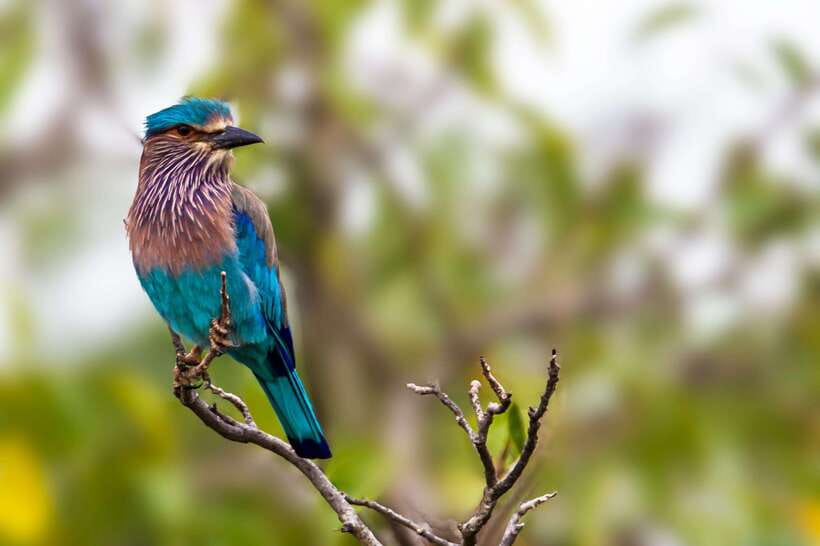
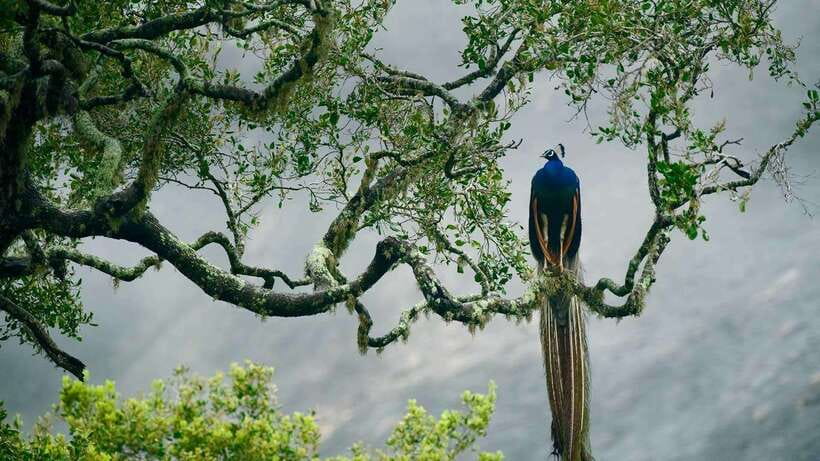
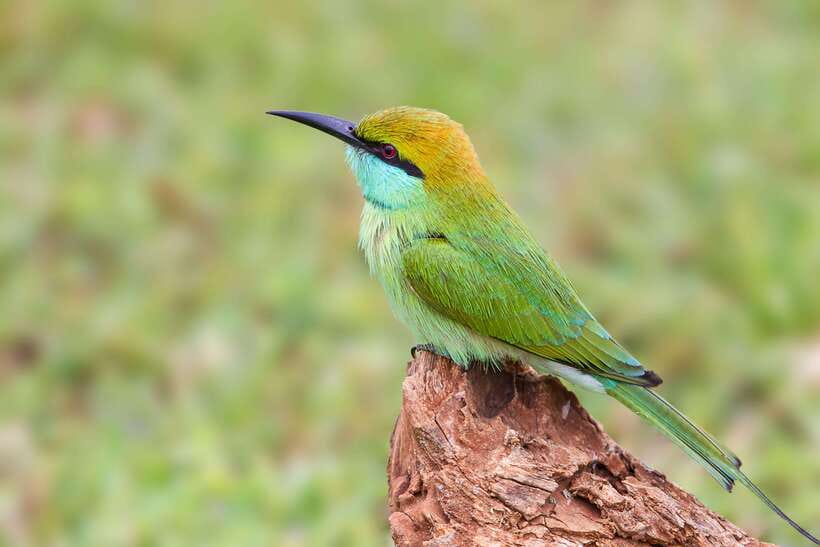
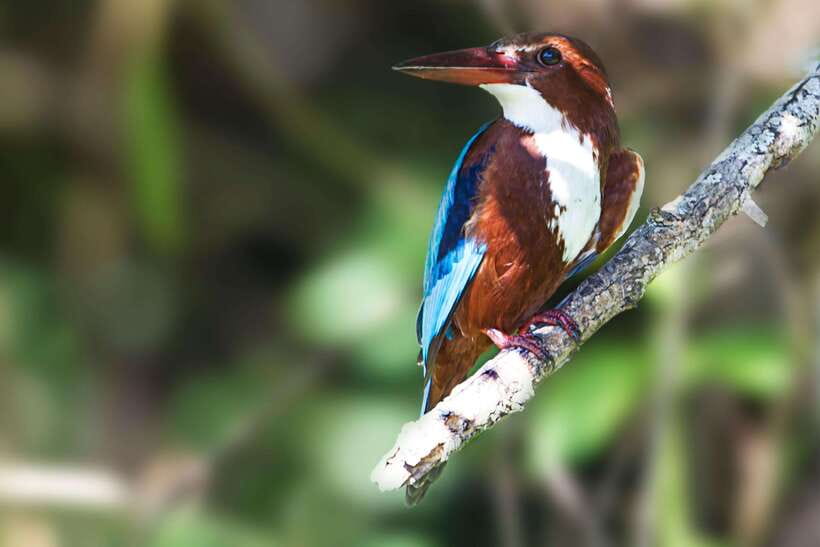
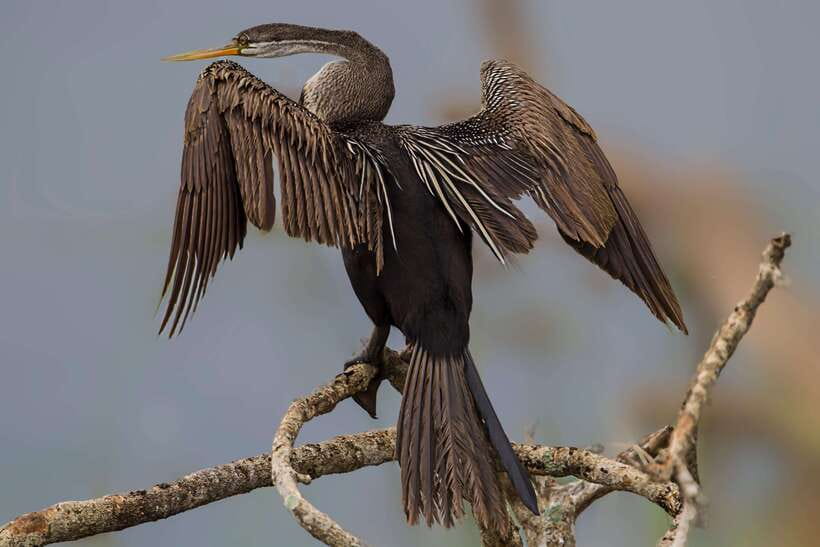
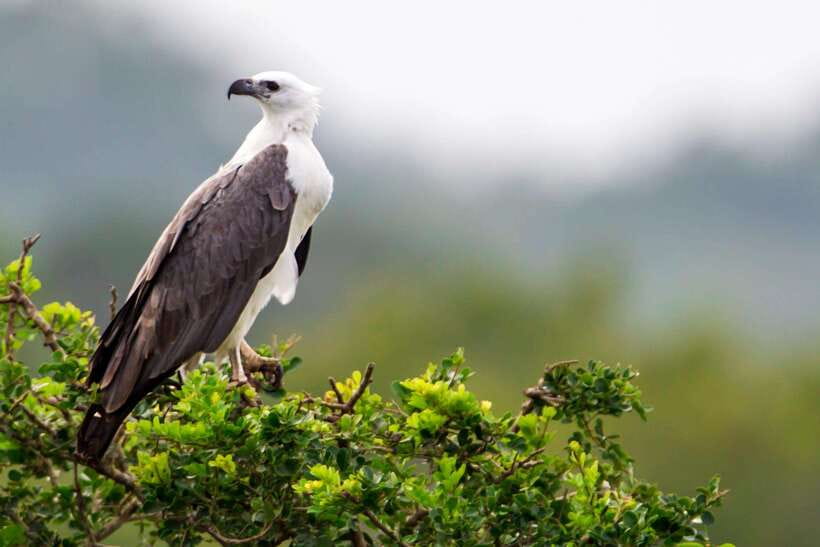
If you like wildlife beyond mammals, Yala is a strong pick. The tour plan explicitly highlights recorded birdlife—more than 130 bird species living there, including residents and winter visitors. That’s a huge number for a single area, and it matters because birds often give you information before mammals appear.
Birds can tip you off to activity. If you hear a cluster of birds reacting in one direction, you’re more likely to find where animals are moving or resting. Even when you don’t spot a rare species, you’ll often see familiar groups doing their jobs—hunting, calling, and moving between branches.
What I find useful as a traveler: treat birds as a second mission. If leopards and sloth bears aren’t visible at a given time, birdwatching keeps your attention sharp and makes the drive feel productive instead of waiting.
The 4×4 safari style: what the ride is really like
You’ll be in a 4×4 vehicle with a professional driver/guide. In safari terms, that usually means roads are uneven, you’ll be stopping often to look and reposition, and your best time is when you’re ready with eyes, not just a camera.
This tour is designed as a guided wildlife route through the park. That’s valuable because Yala isn’t just a scenic drive—you’re being routed based on animal probability and current sightings. Your guide navigates vast area and roads, and you should expect frequent scanning and short pauses.
For comfort, plan for bumps and sun. Lightweight layers help because you’re moving between open scrub and areas with different light. If you’re prone to motion sickness, consider that the jeep is part of the experience. And if you’re doing this from a cruise, you’ll want to keep expectations realistic: you might not have time for a long sit-down meal day.
The upside: you get a close-to-the-ground view of how animals interact with terrain. The jeep also keeps you moving efficiently compared with walking-focused wildlife days, which is perfect for a shore excursion timeline.
Price and entrance fees: getting the math right on $49
The listed price is $49 per person, and it includes hotel or port pickup and drop-off, safari by jeep, and the professional driver/guide. That sounds like a good deal until you look at the part that isn’t included: Yala National Park entrance and service fees.
The entrance cost is listed at Sri Lankan Rupees 13,000 (about 40 USD). So your likely total lands closer to roughly $89 per person, depending on exchange rates and any on-the-day details.
Does it still feel like value? For most people, yes—because you’re paying for more than a drive. You’re paying for a safari vehicle, guide services, and being routed efficiently for animal spotting from the Hambantota area. In other words, you’re buying a working safari setup for one day.
Here’s the practical way I’d decide: if you’re already paying for a port transfer separately, this bundled pickup plus jeep is the value engine. If you were thinking of DIY, the guide routing and safari vehicle time can be hard to replicate for the same day window.
One more caution: because entrance fees are extra, budget failure is the easiest way to turn a great day into a stressful one at the gate. I’d rather you mentally plan for the add-on now and enjoy the ride later.
English and guiding expectations: what to watch for
The tour lists a live guide in English, and that’s what you should expect on paper. Still, I’d use a bit of caution based on an actual experience shared from a booking: one safari felt less communicative because the driver/guide did not speak English well.
So how should you handle this?
- If you rely on detailed animal explanations, be ready for shorter answers or a more visual guiding style.
- Bring a few simple terms in your head—like elephant, leopard, crocodile—so you can point when needed.
- Treat the experience as a safari-first day. You’ll still see wildlife even when the conversation is limited, and that keeps the day from feeling “ruined” if English isn’t smooth.
You’ll still get the core service: driving, spotting, and repositioning. That’s what makes the trip worth it in the first place.
When a cruise day goes sideways: protect your schedule
I always preach redundancy on shore excursions. This is one reason: with any time-sensitive pickup, if the operator misses the start, you can lose the whole day in a blink. At least one reported booking issue for this kind of safari involved the provider not showing up, and that’s the kind of thing you can’t fix once you’re stuck in port.
You can’t control everything, but you can control your readiness:
- Confirm pickup time the day before and again on the morning of the excursion through your booking channel.
- Plan to be ready early. If you’re the last person to appear at the meeting point, you’re the one who risks being left behind.
- Keep your ship details and any reservation reference handy on your phone or written down.
This safari is only five hours. That means there’s little margin for delays. A smooth plan isn’t just nicer—it’s essential.
Who should book this Yala safari from Hambantota Port
Book this if you want:
- A one-day Yala National Park wildlife experience without arranging transport on your own
- A 4×4 jeep safari focused on major animals like elephants and leopards
- A shore excursion that includes pickup and drop-off from Hambantota Port or the nearby area
- Bird interest alongside mammals, since Yala is recorded for over 130 bird species
Skip it or think twice if:
- You’re easily frustrated by changing schedules or missed communication.
- You expect an English-heavy guided lecture. The guide may be English, but real-world communication can vary.
- You hate paying entrance fees on top of the ticket price. The park fee add-on is meaningful.
This is also a good fit for families and first-time safari riders who want the thrill without needing a multi-day plan. For seasoned safari folks, it can work as a quick add-on from the coast, but you’ll want to remember it’s still only five hours.
My practical verdict: should you book?
I’d book it if your goal is a focused Yala wildlife day from Hambantota Port. The value is in the structure: pickup and return, jeep safari time, and a park-focused route where elephants, leopards, and sloth bears are the main targets.
The two things that can take the shine off are also clear. First, entrance fees aren’t included, so make peace with the total cost before you reach the gate. Second, on a cruise day, you should be proactive about pickup timing because a missed start can kill the day fast.
If you go in with the right mindset—wildlife isn’t guaranteed, but the odds and the setting are strong—you’ll likely walk away with the kind of memory that sticks: a big elephant moment, a leopard search that makes your eyes hurt in a good way, and a park full of birds that keep the afternoon moving.
FAQ
FAQ
How long is the Yala National Park safari shore excursion?
The experience lasts 5 hours.
Where do you get picked up for this safari?
You get hotel or port pickup and drop-off from the Hambantota area, including Hambantota Port from your cruise ship.
What’s included in the $49 per person price?
Pickup and drop-off, a safari by jeep, and a professional driver/guide are included.
Are the Yala National Park entrance fees included?
No. Entrance and service fees to Yala National Park are not included (listed as 13,000 LKR, about 40 USD).
What vehicle is used for the safari?
You travel in a 4×4 jeep for the wildlife safari.
Is there an English-speaking guide?
A live tour guide is listed as English. One booking experience included communication issues, so don’t assume the level of English will be perfect.
Is there free cancellation?
Yes. You can cancel up to 24 hours in advance for a full refund.
Can I reserve without paying right away?
Yes. The option is listed as Reserve now & pay later, meaning you can book your spot and pay nothing today.