REVIEW · PUERTO MADRYN
From Puerto Madryn: Peninsula Valdés Shore Excursion
Book on GetYourGuide →Operated by Yellow Penguin · Bookable on GetYourGuide
Wildlife comes to your cruise. This Peninsula Valdés shore trip is interesting because it mixes up-close animal viewing with panoramic coastal viewpoints in a tight 7-hour window. I like the way the guide connects what you’re seeing to the peninsula’s flora, fauna, geology, and history, so the day feels more than just photo stops—especially at the Istmo Carlos Ameghino Interpretation Center.
One thing to plan for: you’ll likely pay an on-the-spot reserve entrance fee (about USD 30 pp), and sightings can vary by season, weather, and tides (penguins and seals aren’t always “on” when you arrive).
In This Review
- Key things to know before you go
- A 7-hour Peninsula Valdés run from Puerto Madryn
- Meeting at the port and starting with a real primer
- Golfo Nuevo views: get the big picture before the animal hunt
- Caleta Valdés, Punta Cantor, and Punta Norte: where the wildlife timing matters
- The marine animals: what’s likely, what’s a lucky bonus
- Punta Norte penguin-and-seal country (and what if it’s not possible)
- Beyond the coastline: guanacos, maras, rheas, foxes, and armadillos
- The guide makes the difference: from Mariano to David
- Price and logistics: is $112 worth it?
- Timing, walking, and getting back to the ship
- What to bring for the best Peninsula Valdés viewing
- Should you book this shore excursion?
- FAQ
- How long is the Peninsula Valdés shore excursion from Puerto Madryn?
- Where is the meeting point?
- What’s included in the price?
- Are there entrance fees?
- Will I see orcas?
- What wildlife will we likely look for?
- What should I bring?
Key things to know before you go
- Istmo Carlos Ameghino Interpretation Center sets the stage with quick, practical context on the peninsula’s wildlife and land history
- Golfo Nuevo, San José, and Isla de los Pájaros viewpoints give you a big-picture feel before the wildlife stops
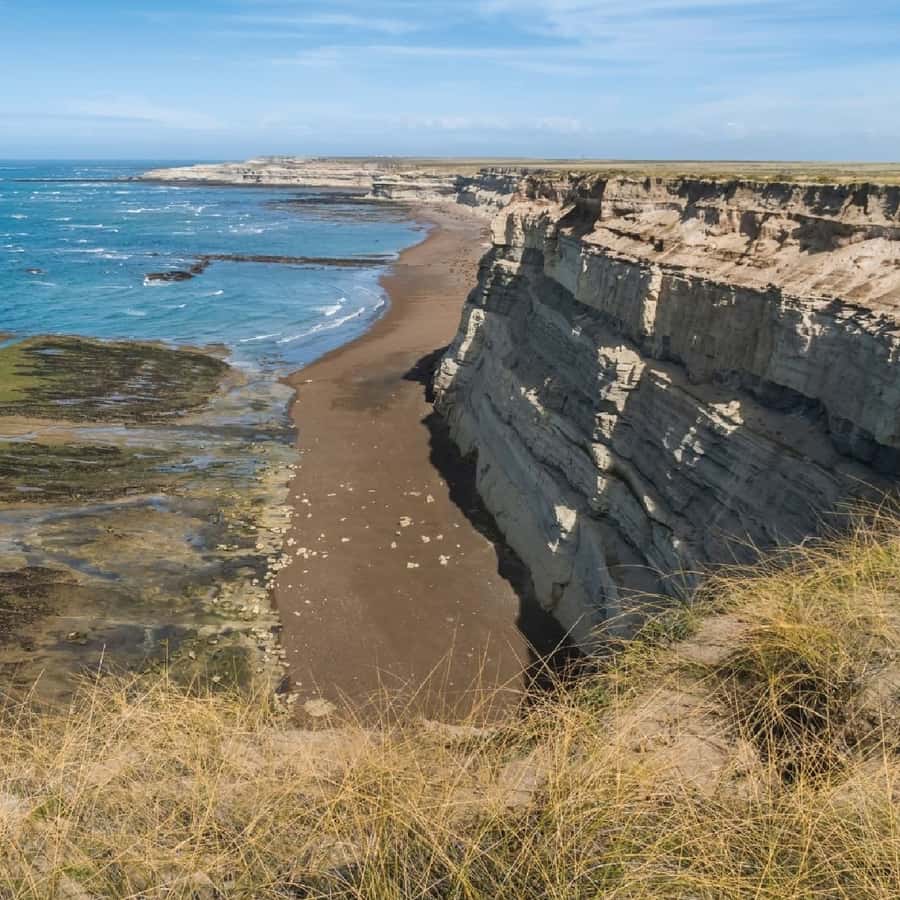
- Caleta Valdés / Punta Cantor / Punta Norte are the main “where to look” areas for seals, penguins, and sea lions
- Orcas are possible but never guaranteed, because the schedule depends on conditions that day
- Punta Norte vs. Punta Delgada acts like a real Plan B, including a lighthouse stop if access is limited
- Terrestrial animals are part of the story, from guanacos and maras to rheas, foxes, and armadillos
A 7-hour Peninsula Valdés run from Puerto Madryn
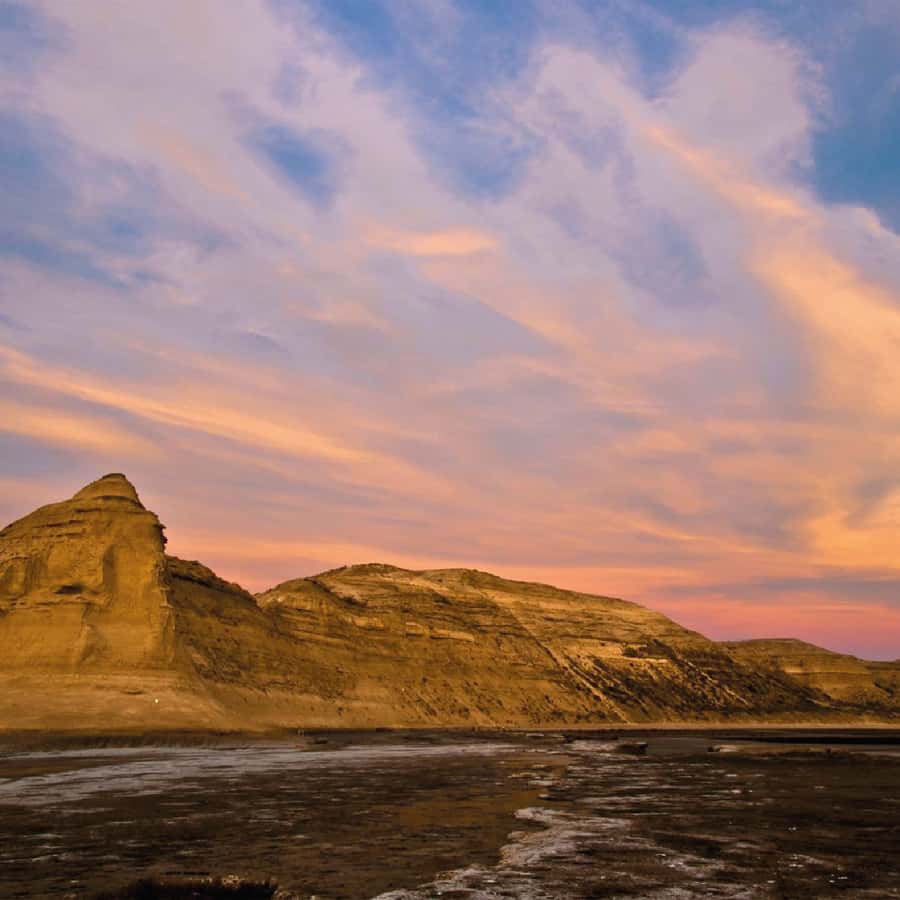
Peninsula Valdés is big, wild, and famous for marine life. The smart move here is letting someone else handle the driving and timing so you can focus on spotting. This shore excursion is designed for cruise schedules: you leave from the port area, spend your guided time on the peninsula, and then head back so your ship can still be waiting.
The duration matters. You get about 5 hours of guided exploration plus roughly 45 minutes each way by van. That structure helps because you’re not constantly switching modes—show up, get briefed, walk and look, repeat, then return with enough buffer.
A few more Puerto Madryn tours and experiences worth a look
Meeting at the port and starting with a real primer
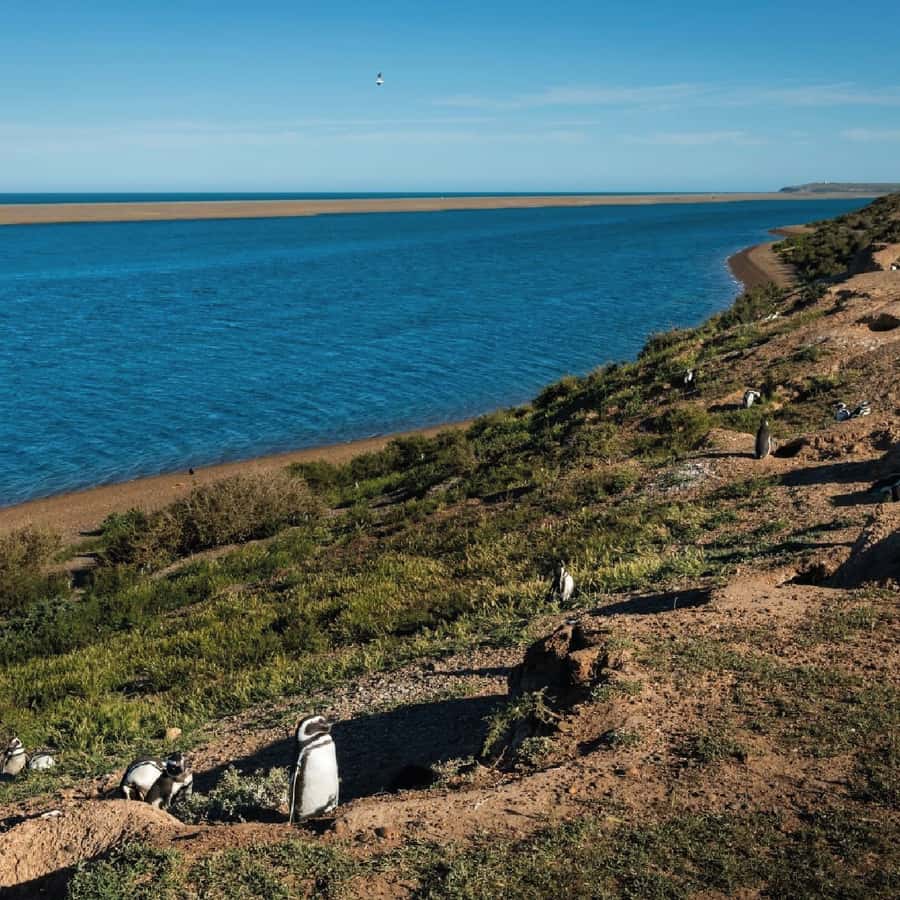
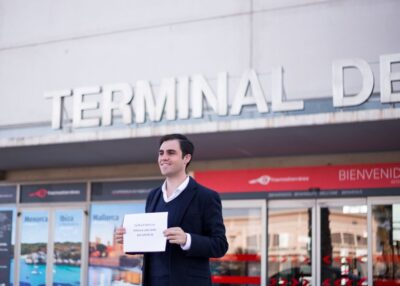
You meet at the port in Puerto Madryn with a Yellow Penguin sign. From there, you’ll ride by van toward the peninsula—around 45 minutes to get your bearings. The first key stop is the Istmo Carlos Ameghino Interpretation Center.
This is one of those stops that often gets skipped on fast tours, but it’s worth your time because it gives you a mental map for what’s coming next. You learn about flora, fauna, geology, and historical events tied to the peninsula. Once you have that context, the later wildlife viewing makes more sense. You’re not just trying to spot animals; you’re also trying to understand why they’re here and what the land is doing.
Golfo Nuevo views: get the big picture before the animal hunt
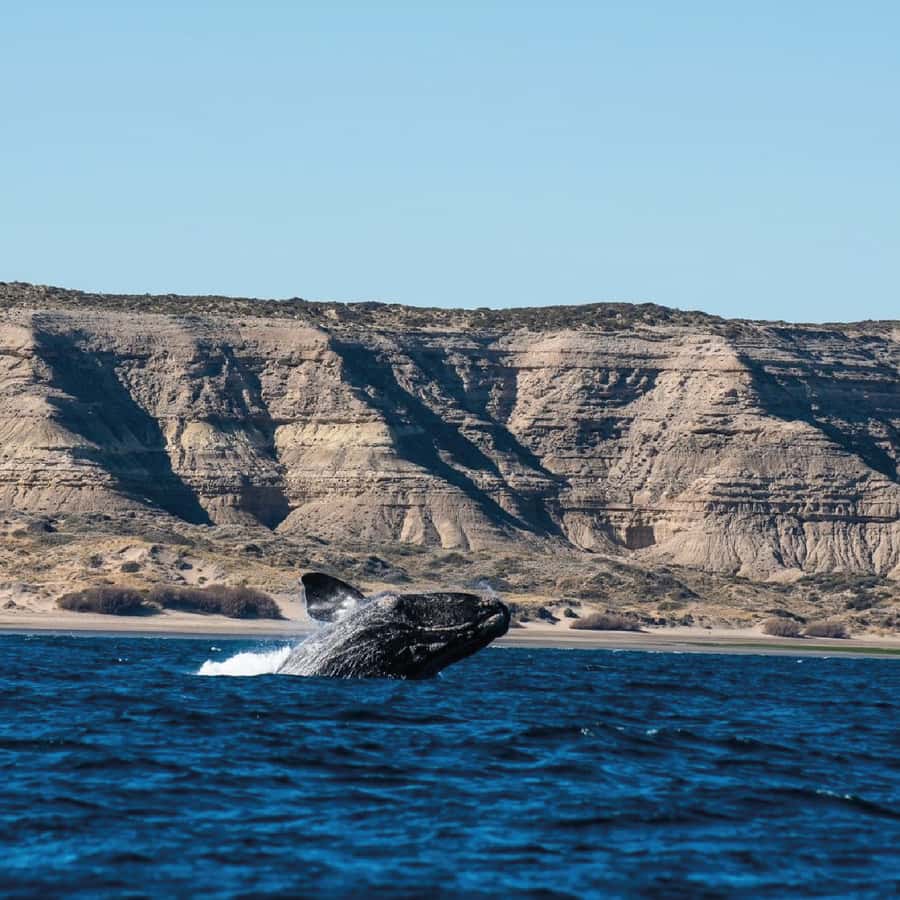
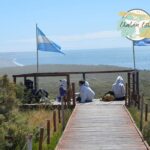
After the interpretation center, you’ll reach a panoramic viewpoint with wide views over Golfo Nuevo, San José, and Isla de los Pájaros. This is where the day starts clicking, because you can see the coastal shape and how the peninsula juts into the water.
From a practical standpoint, these viewpoints help in two ways:
- You can aim your eyes better for the later stops (and decide where binoculars will pay off).
- You get a sense of scale—this is not a small reserve with a few animals. It’s a whole system.
If you like photography, this part is where you can get shots that aren’t just “animal in the distance.” If you prefer wildlife, it still helps because you’re learning the terrain your guide is navigating.
Caleta Valdés, Punta Cantor, and Punta Norte: where the wildlife timing matters
Once you start moving through the trails and viewpoints, the itinerary becomes about probability—the good kind. Peninsula Valdés sightings depend on time of year, weather, and tides, so your guide chooses places that match the day’s conditions.
The key areas you might visit include:
- Caleta Valdés
- Punta Cantor
- Punta Norte
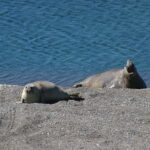
These are your best bets for elephant seals, penguins, and sea lions. Expect a mix of short walks and “stop-and-look” viewpoints where you use your binoculars, not just your phone camera.
What I like most about this approach is that it doesn’t pretend you can control nature. Instead, it builds the day around where animals tend to show up and then adjusts based on what’s actually happening out there that day.
The marine animals: what’s likely, what’s a lucky bonus
Elephant seals are a highlight because they’re often visible in the right season from the peninsula’s coastal areas. Penguins and sea lions can be spectacular, but they’re the most weather-and-timing dependent.
About orcas: you may spot them with luck, and that’s exactly the right expectation. On some days, orcas are active; on other days, they’re simply not in the viewing window. Keep your hope alive, but don’t center your day on it.
Punta Norte penguin-and-seal country (and what if it’s not possible)
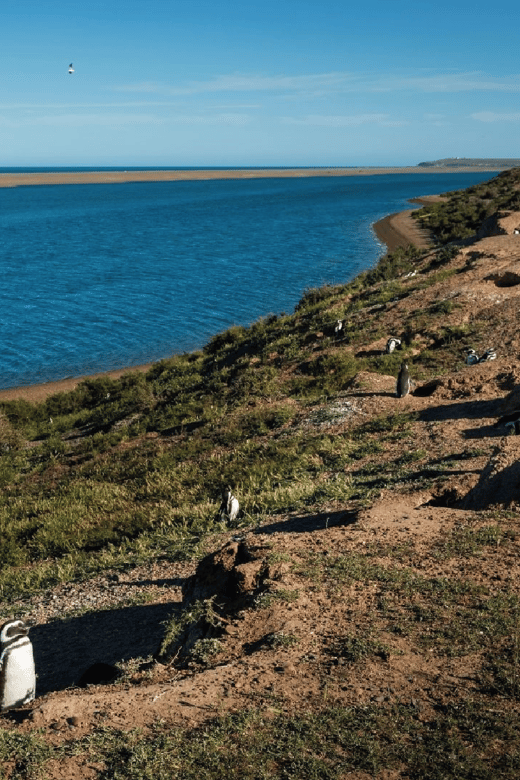
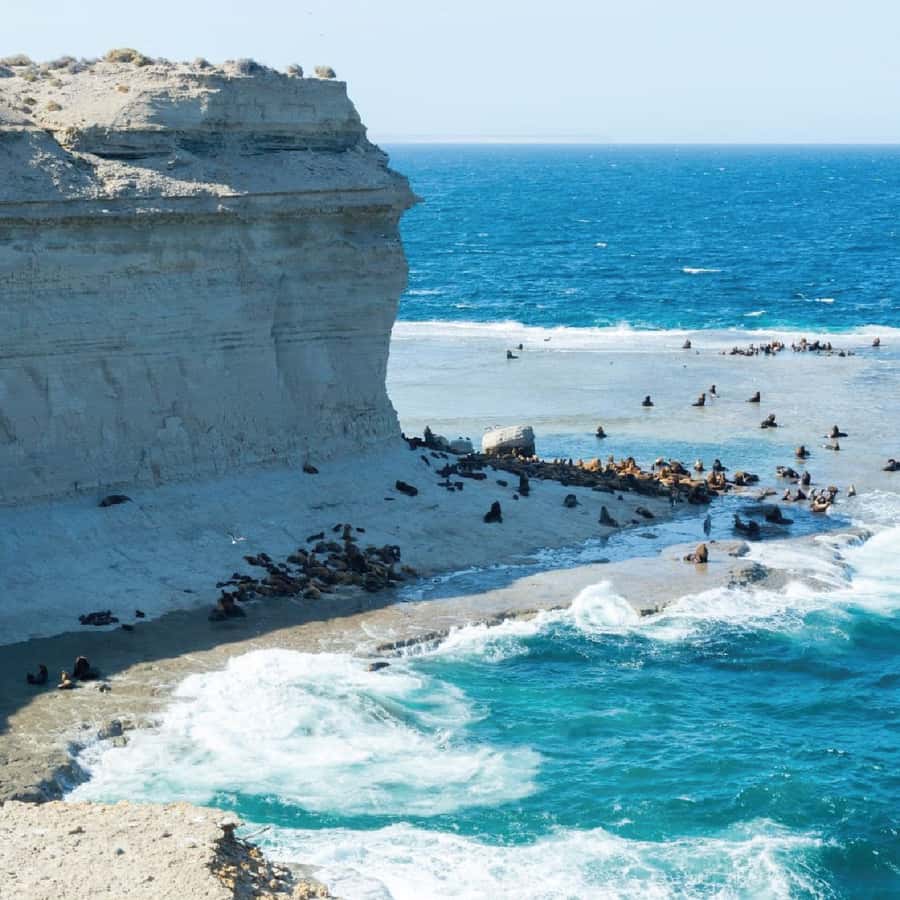
In some conditions, you’ll also be able to visit a penguin colony or a sea lion reserve in Punta Norte. If you’re lucky, this is where the day can feel like the brochure—and sometimes even better, because the animals can be close enough for real viewing.
But sometimes conditions don’t allow Punta Norte. When that happens, the tour shifts to Punta Delgada on the southeastern tip of the peninsula.
Punta Delgada has two big draws from a visitor perspective:
- A historic lighthouse for a strong sense of place
- An elephant seal colony as the main animal focus
That Plan B matters. It means the day still has a clear “destination” even if one area is off-limits or not productive. For a shore excursion, that kind of backup is more valuable than it sounds.
Beyond the coastline: guanacos, maras, rheas, foxes, and armadillos
One reason I find Peninsula Valdés so satisfying is that it isn’t only about the ocean. This excursion explicitly looks for terrestrial animals typical of the region, such as:
- guanacos
- maras
- rheas
- foxes
- armadillos
You also get access to two significant salt flats—described as the deepest depressions in South America. Even if you’re not a geology nerd, salt flats change how light hits the ground and how the ecosystem works around them. And because you’re already out there for wildlife, it’s nice to have at least one “land-based” reason to keep walking and looking.
The guide makes the difference: from Mariano to David
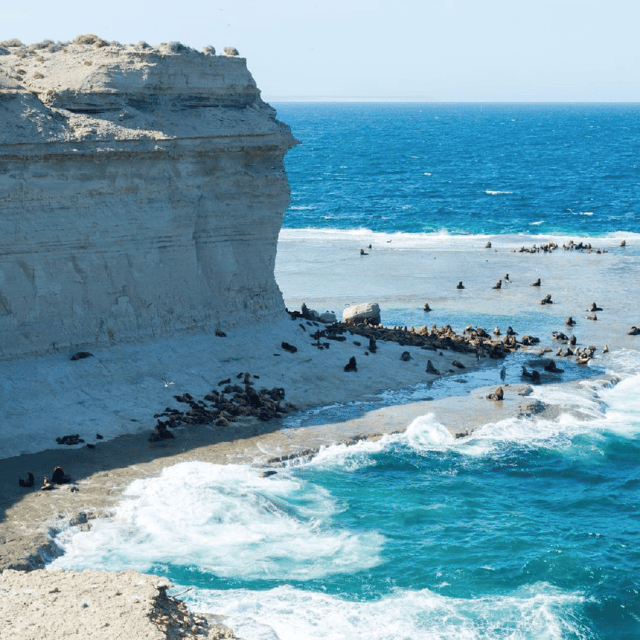
This tour lives or dies on interpretation and on-the-ground decision-making. The guiding is offered in English, Spanish, and Portuguese, and in real life it helps if the guide can answer your questions on the spot—why an animal is where it is, what a landscape feature means, and what you should watch for next.
I especially noticed that some guides on this route are described as highly informative and organized, with people giving examples like Mariano taking groups to promising areas for penguins and other wildlife. Another guide mentioned by name is David, praised for being extremely knowledgeable and for handling questions clearly.
That’s the intangible value you want on a shore excursion: not just “we drove you there,” but we drove you there wisely and then translated what you’re seeing into something you can actually understand.
Price and logistics: is $112 worth it?
At USD 112 per person for a 7-hour excursion, you’re paying for three things:
- Van transportation from the port and back
- A guided experience (not just a bus ride)
- Time and local decision-making to maximize wildlife viewing in a limited window
The catch is the extra reserve entrance fees (about USD 30 pp), which you pay on the spot. Meals are not included, though you may have the option to stop for lunch at your own expense.
Here’s how I’d judge the value for you:
- If your ship timing is tight and you want someone to handle routing, $112 can be a strong deal.
- If you’re traveling light on expectations for penguins/seals, the day can still be worth it for the viewpoints, salt flats, and the interpretation center.
- If you’re only coming for one single species, you’re taking on risk—because wildlife sightings are seasonal and tide-dependent.
Also, plan for a full day. Comfortable shoes are not optional. Even when walking looks mild, you’ll be moving often enough that you’ll feel it by mid-afternoon.
Timing, walking, and getting back to the ship
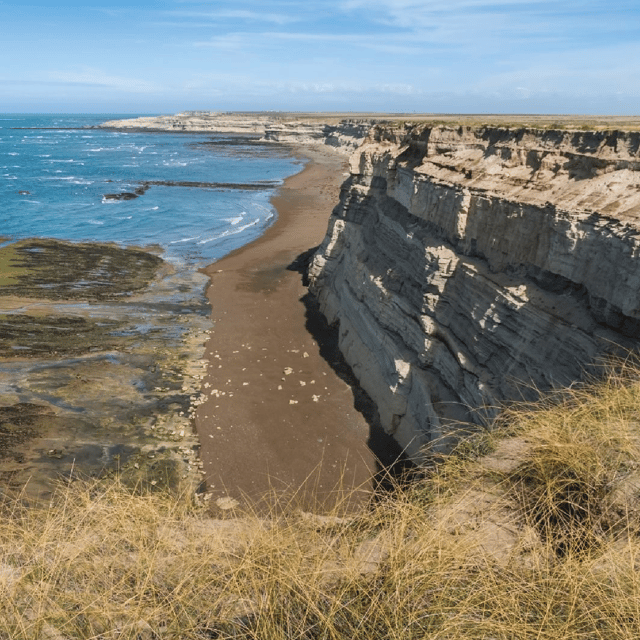
The day is built around your ship leaving on time. You start at the port, spend the bulk of the day with a guided route across the peninsula, and return in the afternoon.
Because the return schedule is fixed, you’ll want to stay close to the group during stops and follow instructions quickly. One of the most common stress points on shore excursions isn’t the walking—it’s the feeling of time slipping away. Bring your patience and let the guide set the pace.
Mobility is worth considering. The tour is wheelchair accessible, but that doesn’t magically remove uneven ground or the fact that wildlife viewing often happens from viewpoints. If mobility is a concern, go in ready to talk with the guide and choose seating/paths accordingly, and keep the group meeting times very clear.
What to bring for the best Peninsula Valdés viewing
This is the kind of day where the right small gear matters:
- Comfortable shoes (for repeated short walks and uneven ground)
- Hat and sunscreen (you’ll be exposed)
- Camera (obvious, but you’ll likely use it often)
- Water (you’ll be out most of the day)
- Binoculars (high value for scanning wildlife)
Also dress for changing coastal conditions. Peninsula Valdés can feel windy. If you hate cold wind or sun, bring layers you can adjust.
Should you book this shore excursion?
Book it if you want a structured, guided way to see elephant seals, penguins, and sea lions with chances for orcas and land animals like guanacos and maras—all while learning why the peninsula looks and works the way it does. It’s a good fit for cruise passengers who don’t want to gamble on logistics or waste daylight.
Skip or adjust your expectations if your main goal is a single perfect wildlife sighting. Even when guides hit the best spots, nature controls the outcome. That said, the interpretation center, the big coastal viewpoints, and the Plan B route (Punta Norte or Punta Delgada) make this one less of a coin toss than you might expect.
If you’re the type who enjoys scenery plus wildlife plus context, this tour is a solid way to spend your Puerto Madryn day.
FAQ
How long is the Peninsula Valdés shore excursion from Puerto Madryn?
It runs for 7 hours total, including transit time and about 5 hours of guided tour on the peninsula.
Where is the meeting point?
You’ll meet at the Port of Puerto Madryn with the Yellow Penguin sign.
What’s included in the price?
The tour includes transfer with a local guide (English, Spanish, Portuguese). Meals and reserve entrance fees are not included.
Are there entrance fees?
Yes. Entrance fees to the reserve are approximately USD 30 per person and must be paid on the spot.
Will I see orcas?
You may spot orcas with luck, depending on season, weather, and tides. They aren’t guaranteed.
What wildlife will we likely look for?
The tour is set up to help you observe elephant seals, penguins, and sea lions, plus terrestrial animals like guanacos and maras. Other animals may also be seen depending on conditions.
What should I bring?
Bring comfortable shoes, a hat, a camera, sunscreen, water, and binoculars.