REVIEW · VANCOUVER ISLAND
Victoria Shore Excursion: Whale-Watching Cruise with Expert Naturalist Guides
Book on Viator →Operated by Five Star Whale Watching · Bookable on Viator
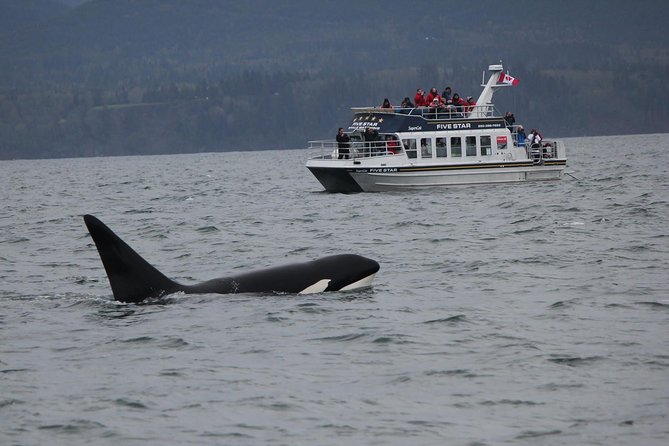
Orcas are why I love this cruise, but the real magic is the onboard naturalist guidance. I also like the small-group setup (up to 40 people) and the way the captain adjusts the route based on what whales are doing. The one consideration: sightings depend on the day’s marine activity, so pack for wind and weather and keep expectations flexible.
You’ll start near the waterfront at 950 Wharf St, board quickly, and get both indoor and outdoor viewing on a stable whale-watching boat. I especially appreciate the worry-free plan that targets a safe return to your ship with time to spare, not a stressful sprint back to the dock.
In This Review
- Key takeaways before you go
- Why This 3-Hour Orca Cruise Fits a Cruise-Day Schedule
- Getting to the Boat: Victoria Harbour Airport at 950 Wharf St
- The Boat Experience: Indoor Comfort, Outdoor Views, and a Smooth Ride
- Stop 1: Five Star Whale Watching and the Orca Spotting Focus
- Stop 2: The British Columbia Stretch and How the Captain Reads the Water
- The Naturalist Guides: What You’ll Actually Learn While You Watch
- Orca, Humpback, and Friends: Marine Life You Can Expect
- Comfort and Small Perks That Make a Real Difference
- Price and Value: Is $133.71 a Good Deal?
- Who This Tour Suits Best
- Possible Downsides (Plan for These)
- Should You Book This Victoria Whale-Watching Shore Excursion?
- FAQ
- How long is the Victoria whale-watching cruise?
- Where does the tour meet?
- What time does the tour start and end?
- Is port pickup included?
- What language is the tour provided in?
- What marine animals might I see?
- Are there naturalists on board?
- Will the route stay the same every day?
- Is food and drinks included?
- How many people are on the tour?
Key takeaways before you go
- Two naturalist guides on every cruise, so you’re not just spotting animals—you’re learning why they’re there
- Small group size (max 40), which makes it easier to hear the explanations and find a good viewing spot
- Routes shift with whale activity, so the itinerary feels responsive rather than scripted
- Ron Bates may join on some rides, adding serious orca research insight when he’s available
- Warm gear and comfort touches can help on chilly water days, based on recent cruise experiences
Why This 3-Hour Orca Cruise Fits a Cruise-Day Schedule
This is the kind of excursion that works when you’re on a tight ship timetable. The tour runs about 3 hours, and it’s designed as a true shore excursion—long enough to get into the action, short enough to still enjoy Victoria without gambling on “maybe we’ll be back in time.”
What I like here is the focus on efficiency. You’re not spending half the day in transit; you’re on the water watching the Salish Sea ecosystem do its thing. And if you’re coming from a cruise terminal, the “walking distance” element matters more than people think when you’re coordinating with your ship schedule.
Getting to the Boat: Victoria Harbour Airport at 950 Wharf St
Meeting is straightforward: Victoria Harbour Airport, 950 Wharf St, Victoria, BC. The activity ends back at the same meeting point, which is a big deal when you’re trying to avoid last-minute uncertainty.
Pickup is offered, but it’s not listed as included in the basic package. So I’d plan as if you’ll get yourself to the dock on your own, unless you confirm pickup arrangements during booking. This also helps you stay calm if you’re juggling tender schedules or shore errands.
The Boat Experience: Indoor Comfort, Outdoor Views, and a Smooth Ride
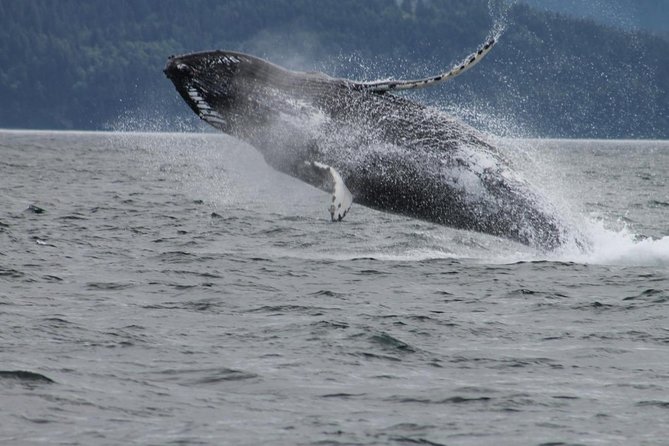
These cruises use boats built specifically for whale watching, meaning you get a ride that’s smooth, fast, and stable. That stability is not a luxury—it’s what helps you stay upright, keep your eyes on the water, and enjoy the guide’s explanations while you’re scanning for fins and spouts.
You’ll have both indoor and outdoor seating. I like that setup because it gives you options: warm up quickly inside if it gets windy, then head back out when the captain calls something out. A few recent rides specifically highlighted the value of being able to move between decks depending on boat speed and where the best views were.
Also, the tour operates in all weather conditions. That doesn’t mean you’ll be miserable, but it does mean you should dress like the Pacific Northwest is in charge (because it is). Layers and comfortable shoes are the smart move.
Stop 1: Five Star Whale Watching and the Orca Spotting Focus
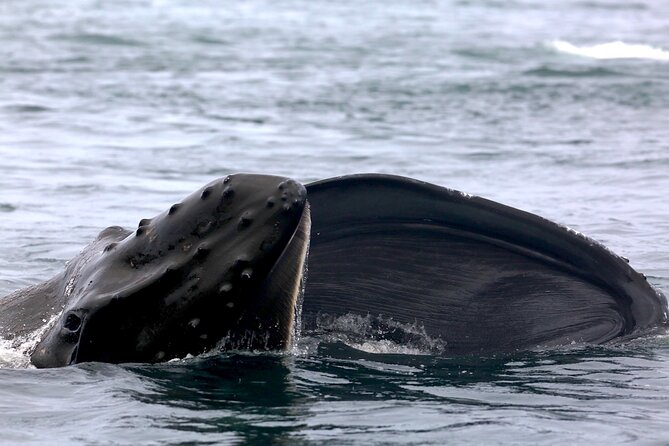
Stop 1 is where you’ll spend most of your time, and it’s built around serious wildlife watching with real context. You’ll be out along the coast of British Columbia, and the captain and crew use the day’s conditions to shape the route. The key detail: the cruising route can change depending on whale activity, so this isn’t a “same path every time” situation.
The cruise often starts with visits to smaller islands off Victoria. That matters because islands can funnel marine life and create the kind of feeding and resting areas where you’re more likely to find whales, birds, and seals all in one stretch.
One of my favorite practical details is the way the crew brings the ecosystem onto the boat. On some rides, guides may even pull kelp onboard so you can see where much of the food chain begins. It’s the kind of moment that turns a distant “there’s wildlife out there” sighting into something you understand.
And yes, orca-focused fans will care about this part: Ron Bates, an orca researcher working in the Pacific Northwest, may be along for the ride on some trips. If he’s there, you should expect a deeper, more research-minded perspective on what orcas are doing and why.
Stop 2: The British Columbia Stretch and How the Captain Reads the Water
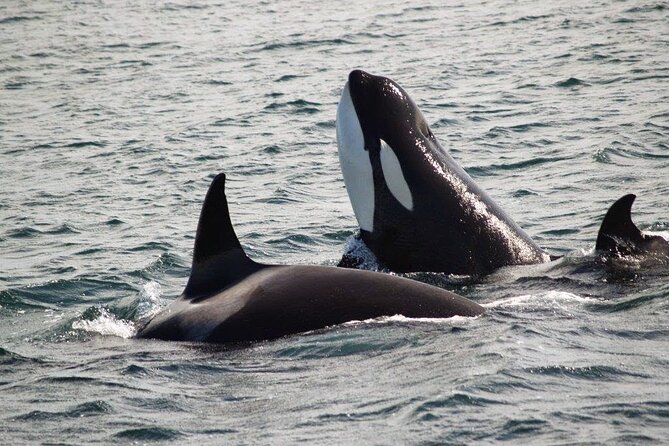
In the second part of the cruise, you continue exploring offshore areas around Victoria. You’ll still be in the whale-watching boat setup—fast when it’s needed, stable enough that you can keep tracking movement.
This is also where you feel the “we’re following the day” approach. Since the route can shift, your best chance is to stay flexible and keep checking where the captain and naturalists point. When the crew calls out behavior—feeding, surfacing patterns, or birds reacting to underwater activity—you’ll understand what you’re seeing instead of just watching random splashes.
If you’re the type who gets frustrated when tours feel like a checklist, you might enjoy this more. The itinerary is a framework, not a fixed script. The trade-off is that the exact spots can vary, so you can’t lock your hopes onto one specific whale species on one specific day.
The Naturalist Guides: What You’ll Actually Learn While You Watch
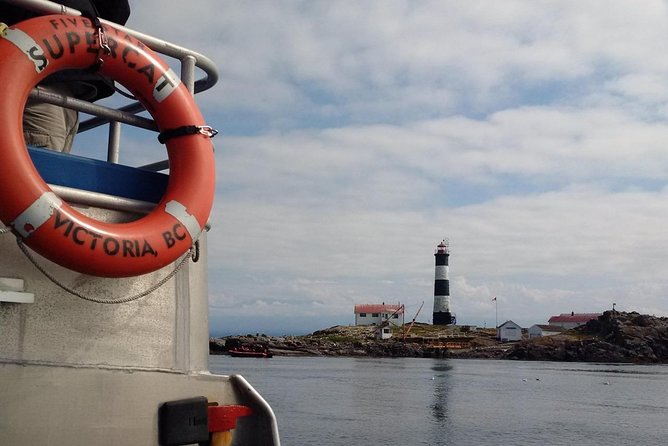
The experience isn’t just about spotting animals. It’s about learning to read the water the way the guides do.
The guides explain the marine ecosystem—everything from jellyfish to seabirds to the whales you’re there to see. That’s useful because it helps you connect the dots. For example, you’re not only watching whales; you’re also seeing what else is thriving around them and what might be driving the whales’ movements.
The guide team structure is also a strength: the tour includes 2 onboard naturalist guides. Having two people working the cabin and decks means you get faster explanations and more eyes on the water, which is exactly what you want when you’re trying to notice quick surface events.
From recent experiences, you can also encounter standout captains and guides who actively hunt for wildlife and share details. Capt Dave is specifically mentioned in feedback, praised for finding whales and explaining orca behavior in a way that made the sightings feel personal and clear.
Orca, Humpback, and Friends: Marine Life You Can Expect
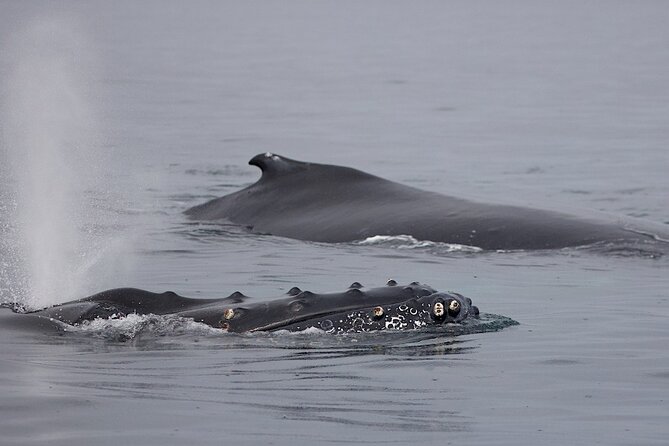
This excursion is built for real wildlife viewing off Vancouver Island. The core “big animals” list includes orcas (killer whales), plus sightings that may include harbor seals, minke whales, sea lions, and other native marine life.
Recent rides reported:
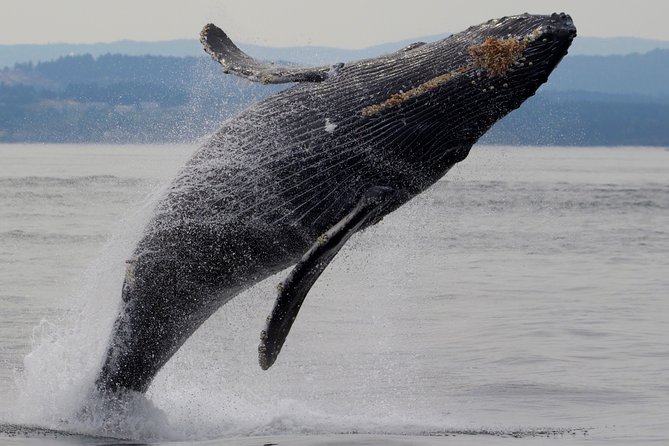
- multiple humpback whale sightings
- orca pods socializing while hunting
- sea lions and seals appearing close to the viewing areas
- dramatic feeding behavior, including lunge feeding
One small but important takeaway: don’t treat any one species as guaranteed. Even on great days, what you see depends on location, timing, and whale behavior. The upside is that you’re not stuck waiting for just one thing; the guides are scanning for multiple kinds of life.
Comfort and Small Perks That Make a Real Difference
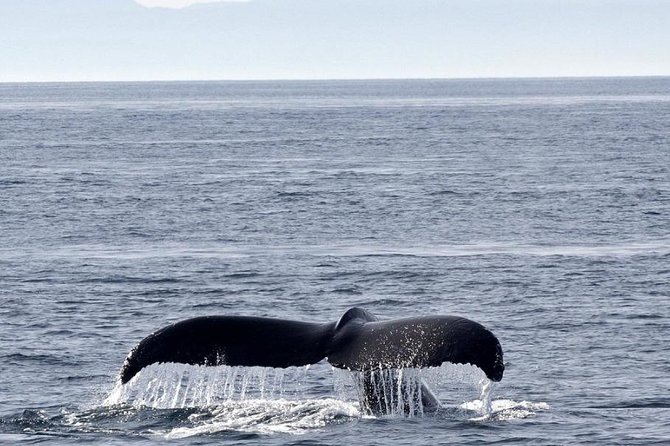
For a 3-hour cruise, comfort matters. A few experiences specifically mentioned the value of being able to swap between top and inside decks when conditions changed, which is a practical way to handle wind, sun, and spray.
Warmth can also be part of the plan. Hot chocolate and coffee were available on at least one recent tour experience, and warm jackets were mentioned as helpful when temperatures dropped on the water. If you get cold easily, that’s worth taking seriously.
One thing to note: food and drinks are not included in the tour price. If hot drinks are available as part of the experience on your particular day, it’s a bonus—but I wouldn’t count on a full meal setup. Bring a plan for snacks if you need them.
Price and Value: Is $133.71 a Good Deal?
At $133.71 per person, this isn’t a “cheap and cheerful” excursion. So I look at value in a few practical ways:
First, you’re paying for a focused 3-hour wildlife outing with two naturalist guides. That’s not just narration—it’s guidance that changes how you experience what’s out there.
Second, the tour includes a worry-free structure designed to protect your cruise plans. If your ship departs early or you miss the activity due to a ship delay, the plan includes steps to protect you (including transportation to the next port-of-call in the extremely unlikely case your ship has departed, or a refund if you’re unable to attend due to delay). That kind of “time safety net” can be worth a lot when you’re on a cruise schedule.
Third, the small maximum group size (up to 40) helps the experience feel more personal. It’s easier to hear the guides and easier to adjust your viewing spot.
The biggest cost-side trade-offs are simple: port pickup/drop-off isn’t included, and food and drinks aren’t included. If you’re arriving at the meeting point easily and you snack ahead or bring your own, the price starts to feel more reasonable for what you’re getting.
Who This Tour Suits Best
This works for a lot of people, but it shines when you want guided wildlife watching without turning it into a full-day commitment.
- Couples who want a memorable Victoria activity that’s still short and easy.
- Families looking for a structured 3-hour outing with clear explanations.
- Orca lovers who enjoy hearing real science context. If Ron Bates is on board, that extra depth can make the day feel extra special.
- People who care about seeing more than one type of marine life, not just chasing a single species.
If you know you hate boats, or you’re extremely sensitive to wind and spray, you’ll want to think about dressing carefully and choosing your deck spot wisely. But the boat is described as stable and smooth, which helps.
Possible Downsides (Plan for These)
Here’s what I’d watch for before you book:
Sightings depend on conditions. The cruising route can change based on whale activity, so what you see can vary from day to day. The good news is the crew is looking broadly for multiple species, so you’re not stuck waiting for only one outcome.
Weather is real. The tour runs in all weather, meaning you’ll need a good layer system and comfortable shoes. If you’re coming from a warm cruise terminal, it can feel like a slap of wind once you’re out on the water.
You’ll want snacks covered. Food and drinks aren’t included. If your day is otherwise packed with sightseeing, I’d bring a small plan so you’re not running on empty during your 3-hour ride.
Pickup isn’t automatically included. Pickup is offered, but it’s not listed as included. So confirm your plan while booking, especially if you prefer not to walk from where your ship drops you.
Should You Book This Victoria Whale-Watching Shore Excursion?
Yes—if you want an orca-focused whale cruise with expert naturalist guidance and a schedule built to fit a cruise port day. The combination of a short duration, a small group cap, indoor/outdoor viewing options, and the worry-free ship return plan makes this a solid choice when timing matters.
I’d also lean toward booking if you like the idea of learning while you watch—kelp, jellyfish, seabirds, and the chain of life behind the whales. And if you’re hoping for expert orca perspective, you can keep an eye out for the possible appearance of Ron Bates.
Skip it only if you’re looking for something private, long-form, or centered on a fixed route regardless of what wildlife is doing. This one is designed to follow the day—and that’s usually a good thing out here.
FAQ
How long is the Victoria whale-watching cruise?
It runs for about 3 hours.
Where does the tour meet?
The meeting point is Victoria Harbour Airport, 950 Wharf St, Victoria, BC V8W 1T3, Canada.
What time does the tour start and end?
Exact departure time isn’t listed here, but it ends back at the same meeting point.
Is port pickup included?
Pickup is offered, but port pickup and drop-off are not included.
What language is the tour provided in?
The tour is offered in English.
What marine animals might I see?
You may see orcas (killer whales), harbor seals, minke whales, sea lions, and other native species. The guides also cover the marine ecosystem, including things like jellyfish and seabirds.
Are there naturalists on board?
Yes. There are 2 onboard naturalist guides.
Will the route stay the same every day?
No. The exact cruising route can differ depending on the day’s whale activity.
Is food and drinks included?
No. Food and drinks are not included.
How many people are on the tour?
The maximum group size is 40 travelers.