REVIEW · SURABAYA
Surabaya Shore Excursion For Cruise Passengers
Book on Viator →Operated by East Journey Travel · Bookable on Viator
Surabaya can feel chaotic on a short cruise stop. This shore excursion is built for time pressure, with port pickup and return and a small group that keeps things human-sized. I like the way it mixes everyday local life at Pabean Market with major sights like Sunan Ampel Great Mosque. One thing to consider: markets are hot and sometimes messy, so pack for that.
Here’s the other practical catch. The Arab Quarter visit uses modest dress rules, so you’ll want shoulders covered and clothing with reasonable length. If you’re expecting a quick, comfy stroll with no cultural reminders, you might feel tugged in a different direction. That said, if you show up ready, the day gives you a real snapshot of Surabaya beyond the port gates.
In This Review
- Key things I’d bookmark before you go
- Port-to-port Surabaya: why this setup works for cruise days
- Price and what you really get for $85
- The flow of the day: what happens in order and why it matters
- Pabean Market: fruit tastings and the real rhythm of shopping
- Sunan Ampel Great Mosque: faith, heritage, and how the guide connects the dots
- Tugu Pahlawan: Surabaya’s independence story at the Heroes Monument
- Arab Quarter modest dress plus Klenteng Hong Tiek Hian’s temple charm
- Lunch, coffee/tea, and why the food stop is more than a break
- How the guides shape the experience: names to look for and the style that matters
- Comfort and pacing: what to expect with markets, heat, and walking
- Who should book this Surabaya tour (and who might not)
- Should you book this Surabaya shore excursion?
- FAQ
- What’s included in the $85 price?
- How long is the shore excursion in Surabaya?
- Where do you meet your guide?
- Is lunch included?
- How big is the group?
- Do I need a mobile ticket?
- Is there a dress code for any part of the tour?
- Is the tour suitable for people who use walkers?
- What are the main stops on the route?
- What if the tour is canceled?
- What’s the cancellation cutoff time?
Key things I’d bookmark before you go
- Port-perfect timing that prioritizes getting you back to your ship
- Small-group size (max 16) for easier pacing and better guide interaction
- Pabean Market fruit tastings plus a look at how locals shop and pack produce
- Sunan Ampel Great Mosque context for Surabaya’s faith and community life
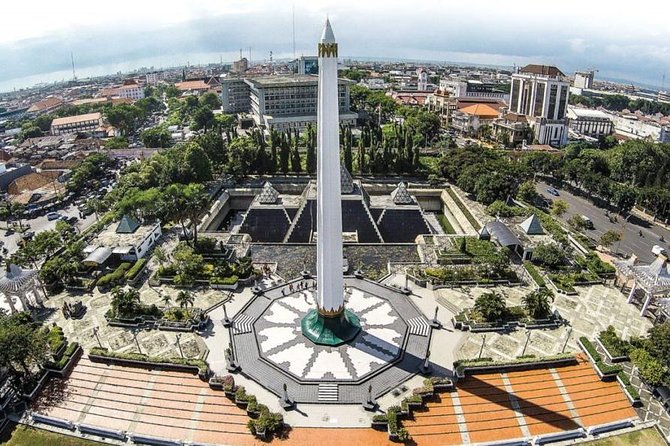
- Tugu Pahlawan and the independence story in the heart of the city
- Klenteng Hong Tiek Hian temple stop with striking Chinese architecture and possible puppetry
Port-to-port Surabaya: why this setup works for cruise days
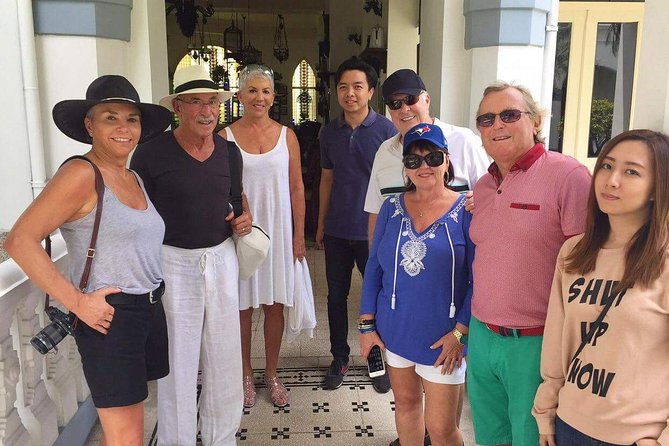
Surabaya is not the kind of city you naturally “drop into” for a half day without getting tangled in traffic or timing. This excursion is designed for cruise schedules. You meet your guide inside the port with other passengers from the same cruise, then you head out as one group—no wandering, no hunting for a taxi that might or might not appear.
I also like the shared-ride approach. It means you spend money on guide time and actual sightseeing, not on private car logistics. The route focuses on several signature stops rather than one long detour. And the day is short enough—about 4 to 5 hours—that you won’t end up feeling like you barely blinked before you were back at the terminal.
Price and what you really get for $85
At $85 per person, this isn’t the cheapest way to do Surabaya. But for a port day, it can be good value because several costs are wrapped into the price. You get:
- shared transportation with fuel and driver
- a professional guide during the tour
- bottled water, plus coffee and/or tea
- entrance fees and port-related costs (parking, port fees, taxes, highway tolls)
- a premium local restaurant lunch
That combination matters more than people think. On your own, you’d pay for transport, then likely pay separate entry fees, then deal with the “I lost an hour” problem. Here, the price is buying you structure: the guide keeps the day moving, and the tour is built around getting you back on time.
If you’re comparing against ship excursions that charge more for the same pattern of stops, this one’s max group size (up to 16) is a signal that you should feel less lost in the crowd.
The flow of the day: what happens in order and why it matters
This tour runs on a tight but sensible sequence. You’re doing three different “Surabaya worlds” in one morning/afternoon block: the market life, the religious landmark, then the independence memorial, and a cultural temple stop—plus time for the Arab Quarter.
You start with pickup inside the port. The first stop is Pabean Market, where you get a real feel for local shopping and food. Then you move to Sunan Ampel Great Mosque, a heritage site that helps you understand how faith and community shape the city. After that comes Tugu Pahlawan (Heroes Monument), which puts Surabaya’s independence story in view. The day ends with Klenteng Hong Tiek Hian, a Chinese temple that offers both architectural detail and cultural calm.
One practical point: the day is short. That’s good for avoiding fatigue, but it also means you shouldn’t plan to linger for long photo sessions at every stop. Bring your patience and your best “quick but thoughtful” attitude.
Pabean Market: fruit tastings and the real rhythm of shopping
Pabean Market is the kind of place you remember because it’s active, loud, and practical. You’ll spend about 45 minutes here, and admission is free. This is where the excursion earns its “local life” badge.
The big highlight is the fruit tasting. The tour description calls out a fruit you might never tried before, and that’s usually the moment people realize they paid for more than sightseeing—they paid for small culinary surprises and context around what you’re seeing.
You also get a front-row look at how people move through a working market: buying, packaging, and navigating tight spaces. Even if you’re not a “market person,” this stop tends to be the one that makes Surabaya feel like a living city rather than a list of monuments.
Tip for your comfort: wear shoes you can rinse off if needed. One review style note from past guests described markets as wet or messy. Even if every day is different, market conditions can be unpredictable, especially in the produce areas.
Sunan Ampel Great Mosque: faith, heritage, and how the guide connects the dots
Next up is Sunan Ampel Great Mosque, about 40 minutes. Entrance is included. This stop matters because a mosque visit without context can feel like just another landmark. With a good guide, you get the “why” behind the architecture and the atmosphere.
This is also where you’ll notice the mix of locals in terms of culture and religious practice. The tour is short, so you’re not doing a long worship experience. Instead, you’re visiting as a cultural learning moment—seeing how the site functions and what it represents in Surabaya.
Expect the usual practical factors: hot air, some standing and walking, and the need to dress appropriately if you go inside or around prayer areas. If modest dress is on your mind, this is where you’ll feel it most clearly.
Tugu Pahlawan: Surabaya’s independence story at the Heroes Monument
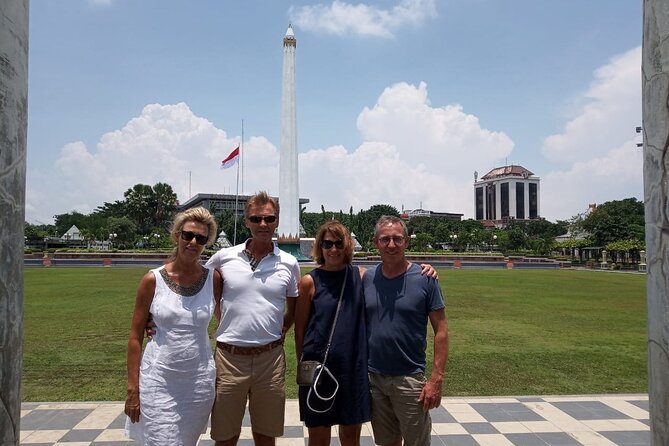
Tugu Pahlawan (Heroes Monument) is where the tour slows down into meaning. You get around 45 minutes, and entrance is included. This is the heart of the city’s independence narrative, and it’s a memorable change from the market energy.
The monument is designed to honor Indonesian independence heroes. Even if you don’t memorize dates, you’ll likely come away with a clearer sense of what Surabaya represents in the broader national story.
One plus: this stop gives your day an emotional center. Markets are sensory. Mosques are cultural. Monuments are historical. The mix keeps the excursion from feeling like a repetitive “look, photo, move on” loop.
If you’re hoping for dramatic views at every turn, this is more about interpretation than scenery. But it’s the kind of stop that makes the city feel bigger than your cruise day.
Arab Quarter modest dress plus Klenteng Hong Tiek Hian’s temple charm
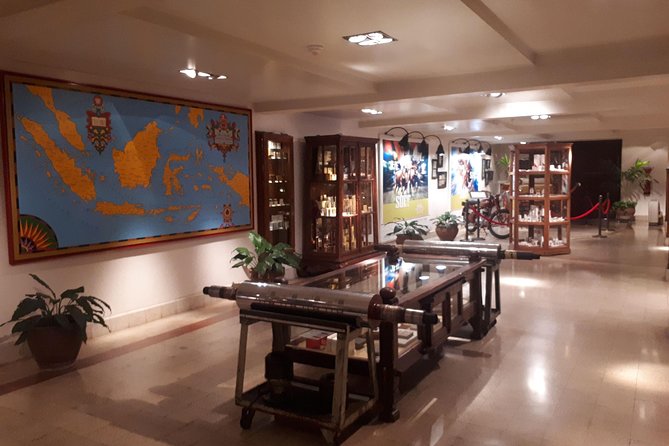
The day includes time in Surabaya’s Arab Quarter, and the biggest heads-up is clothing. A guest feedback note highlighted that a dress code can apply—shoulders should be covered and clothing should have reasonable length. That’s not the operator being difficult; it’s about being respectful in areas where visitors are expected to dress modestly.
Plan ahead and you’ll save time. Keep a lightweight scarf in your day bag. If your outfit is borderline, you don’t want to scramble right before you reach the area.
After that cultural shift, the tour visits Klenteng Hong Tiek Hian, a Chinese temple with intricate Chinese architecture and vivid ornamentation. You’ll spend about 30 minutes and admission is free.
This stop tends to hit two moods at once: architectural detail for photos, and a quieter sense of ritual. One past guest mentioned a puppet show connected to the temple stop, so if it’s scheduled on the day you go, it could be a fun extra layer. Even without that, the temple is the kind of place where close-up details reward your time.
Lunch, coffee/tea, and why the food stop is more than a break
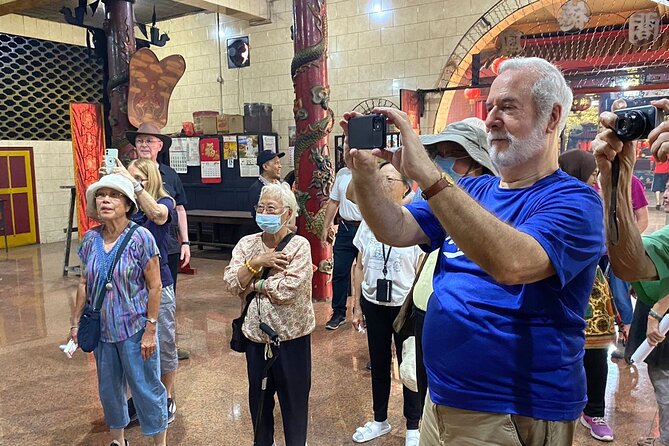
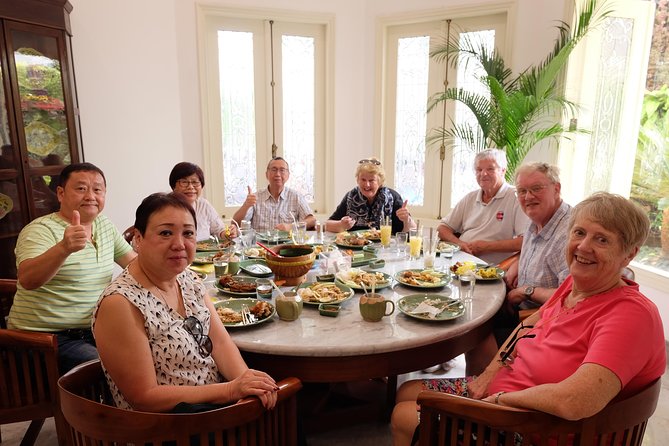
You get lunch at a local restaurant, described as a premium local option, and it’s one of the most praised parts of the day. Guests have called it excellent, and that makes sense: a good lunch turns a “tour of sights” into an actual cultural day.
You also get coffee and/or tea plus bottled water. For a city day in the heat, this is not a small detail. It keeps you from spending your limited time hunting for a drink while the group is moving.
I like that the meal happens inside a structured tour plan. You’re less likely to end up at an overly touristy spot or waste time negotiating. And you’ll have the guide nearby if you have questions about what you’re eating.
How the guides shape the experience: names to look for and the style that matters
A port excursion lives or dies on the guide’s rhythm. In this case, multiple guide names show up with strong performance: Yuni, Nita, Agus, Mun, Salsa, Chita, Shirley, and Sheraly. The consistent thread is clear, friendly English and a sense of humor.
That matters because you’ll get better value out of short visits when someone can explain what you’re seeing in plain language. It also helps when something changes. One guest noted that a couple of sections couldn’t be completed due to closures, and the guide offered alternatives. That kind of flexibility is a real service on cruise time.
Still, keep a mindset of shared touring. One negative experience involved ending up with less than expected coverage of certain areas (like only passing what seemed to be an entry point rather than walking through a full section). Most days likely run correctly, but if you have one must-see area—like the Arab Quarter—keep that priority in mind and pay attention when your guide points things out.
Comfort and pacing: what to expect with markets, heat, and walking
This is a walking-in-and-out style tour. You’re not doing a marathon, but you’re moving between different settings—market stalls, temple grounds, and monument areas.
Two comfort issues show up in guest feedback:
- markets can feel wet/messy, especially around produce areas
- it can be hot, so water and rest moments matter
You can fix both with preparation: wear breathable clothing, bring sun protection, and wear shoes you won’t mind getting dirty.
Also, note the “no leg room” type complaint came from someone expecting a private setup. This is a shared shore excursion, with a maximum group size of 16. If you want maximum space and total control over pace, you’ll want to look for a true private option elsewhere.
Who should book this Surabaya tour (and who might not)
This excursion makes the most sense if you:
- want a port-to-port plan that respects cruise schedules
- enjoy markets and local food rather than only monuments
- like cultural stops with explanations (mosque and temple visits)
- prefer small-group pacing over big bus chaos
It may be less ideal if you:
- have mobility limitations, since the tour is not recommended for travelers with walkers
- are sensitive to heat and messy market conditions
- want a long, unhurried experience at one site (this is a “see a lot in limited time” format)
Should you book this Surabaya shore excursion?
Yes, you should book it if you’re doing Surabaya for the first time and you want a guided snapshot that feels tied to daily life, not just postcard landmarks. The mix of Pabean Market, Sunan Ampel Great Mosque, Tugu Pahlawan, and Klenteng Hong Tiek Hian, plus lunch and port-perfect timing, is exactly what makes a short cruise day work.
I’d book with one checklist:
- bring something for modest dress for the Arab Quarter (cover shoulders and use longer clothing)
- wear comfortable shoes for possible damp, crowded market conditions
- go with flexible expectations, because this is shared and short
If those boxes fit your style, this is a strong value way to make Surabaya feel real before your ship leaves.
FAQ
What’s included in the $85 price?
You get shared transportation from inside the port, a professional guide, coffee and/or tea, bottled water, entrance fees, and port-related costs like parking and highway tolls.
How long is the shore excursion in Surabaya?
Plan on about 4 to 5 hours.
Where do you meet your guide?
Pickup is inside Surabaya’s port, where you meet the guide and other passengers from the same cruise.
Is lunch included?
Yes. Lunch is included at a local restaurant as part of the experience.
How big is the group?
The maximum group size is 16 travelers.
Do I need a mobile ticket?
Yes. You’ll receive a mobile ticket.
Is there a dress code for any part of the tour?
For the Arab Quarter portion, modest dress is required. Shoulders should be covered and clothing should have reasonable length.
Is the tour suitable for people who use walkers?
It’s not recommended for travelers with walkers.
What are the main stops on the route?
You’ll visit Pabean Market, Sunan Ampel Great Mosque, Tugu Pahlawan, and Klenteng Hong Tiek Hian, with time also included for the Arab Quarter.
What if the tour is canceled?
There is a free cancellation window up to 24 hours before the experience for a full refund. The cancellation terms also note a minimum number of travelers can affect whether the tour runs.
What’s the cancellation cutoff time?
Cut-off times are based on the experience’s local time, and you can cancel up to 24 hours in advance for a full refund.