REVIEW · TONGATAPU ISLAND
Shore Excursion: 3-Hour Tongatapu East Coast and Anahulu Cave Tour
Book on Viator →Operated by Teta Tours and Travel Ltd · Bookable on Viator
Tongatapu hits fast, and this tour shows why. In just 3 hours, you get a practical mix of Tonga’s royal sites, Captain Cook’s landing area, and the cool-down moment at Anahulu Cave. I like that entrance fees are handled for you, so you’re not stopping to pay at every turn, and I also like the tight group size capped at 15. The one thing to think about: the cave and beach are outdoors and can be tricky for people with limited mobility or balance.
You’ll start and end at Vuna Wharf, which makes this a smart port-day plan. The pace is active—short stops, then back on the road—so it’s best if you enjoy moving between viewpoints and learning a bit at each one. You also need to plan on no included food or drinks, so bring water and snacks if your ship schedule makes you hungry.
Finally, the tour’s quality depends a lot on the guide working that day—some guides are excellent about explaining what you’re looking at, while on other days you may feel less storytelling. If you want more detail, ask questions as you go, especially at the palace, tombs, and the Maui-related stone sites.
In This Review
- Key things to know
- The Real Point of This 3-Hour Tongatapu Tour
- Vuna Wharf Pickup, Small-Group Pace, and What’s Included (and Not)
- Nuku‘alofa Royal Sites: Palace Grounds and the Royal Tombs
- Royal Palace (1864) and Sacred Grounds
- Royal Tombs (Malaʻekula)
- Captain Cook’s Landing Place and the Ha‘amonga ‘a Maui Trilithon
- Captain Cook’s Landing Place (1777 and Inasi)
- Ha‘amonga ‘a Maui (13th century) and the Maui Legend
- Maka Fa’akinanga: The Leaning Rock
- Anahulu Beach: A Quiet Break and Snorkel-Ready Water
- Anahulu Cave: The Underground Pool (and the Caution You Should Actually Take)
- Price and Value: Is $71.80 Worth It?
- Who This Tour Suits Best (and Who Might Prefer Something Else)
- Should You Book This Tongatapu East Coast and Anahulu Cave Tour?
- FAQ
- How long is the 3-Hour Tongatapu East Coast and Anahulu Cave Tour?
- What’s included in the price?
- Where does the tour start and end?
- What’s the group size limit?
- Is there swimming time at Anahulu Cave?
- Is snorkeling gear recommended?
- Is free cancellation available?
Key things to know
- A tight 3-hour loop: Many signature Tongatapu stops without eating up your whole day in port.
- Anahulu Cave includes the “pool time”: about an hour at the cave with an accredited guide.
- Entrance fees are included: you won’t get hit with extra site-costs during the tour.
- Small group cap (15 people): you’re not lost in a crowd.
- Bring snorkeling gear for Anahulu Beach: it’s suggested so you can enjoy the water.
The Real Point of This 3-Hour Tongatapu Tour
When your cruise day is short, you don’t need a long bus ride—you need the right hits. This tour is built for that exact moment: Tongatapu’s east-coast sights plus the Anahulu Cave stop, all in about 3 hours.
What makes it work well is the mix. You’re not just looking at photos from outside a car window. You’ll pause at royal and historic locations in and around Nuku‘alofa, then head out for the cave and beach time. It’s a “see it, understand it, then cool off” kind of day.
The trade-off is time. Each site gets a brief window—think quick orientation, photos, and the key facts—so you won’t have hours at any single stop. If your travel style is slow and lingering, you might feel a little rushed. If you want a confident overview and a memorable nature break, this tour fits.
You can also read our reviews of more tours and experiences in Tongatapu Island.

Vuna Wharf Pickup, Small-Group Pace, and What’s Included (and Not)
This excursion is designed to start the second you’re ready. Pickup and drop-off are at Vuna Wharf, and the tour ends back there. That matters because Tongatapu can be one of those places where wasting time waiting for transfers can mess up your day.
The group is capped at 15 travelers, which usually means you can hear the guide and ask questions without shouting. You’ll also get a mobile ticket, and confirmation happens at booking.
Inclusions you’ll appreciate:
- Local driver/guide
- Port pickup and drop-off at Vuna Wharf
- Anahulu Beach
- Entrance to Anahulu Cave (and the guide accompanies you into the cave)
- Entrance fees for the stops that list free admission
Not included:
- Food and drinks
So treat this like a “morning-or-afternoon tour” that needs self-care. Plan water for the road and keep a small snack handy. It’s especially important since the itinerary has multiple stops in a short window, and there’s no built-in meal.
Nuku‘alofa Royal Sites: Palace Grounds and the Royal Tombs
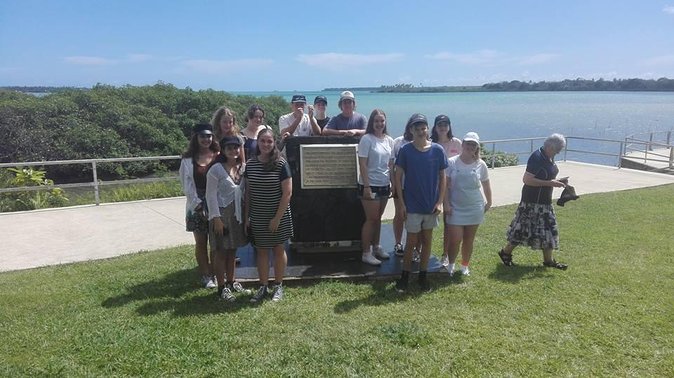
A big part of Tongatapu’s story is right where you’re going next. You’ll make quick stops around Nuku‘alofa centered on the monarchy—royal spaces that are still meaningful in today’s Tonga.
Royal Palace (1864) and Sacred Grounds
The Royal Palace is described as being made of kauri wood and built in 1864 for King George Tupou I. It’s still connected to the royal family as a residence.
You’ll also visit the palace grounds described as sacred. Even if you only have minutes, this is one of those places where a short stop works better than rushing through it. The key is how the guide frames what you’re seeing—why kauri wood matters, why the grounds are considered sacred, and what it means that the palace remains in royal use.
Practical note: this is a quick look-and-learn stop. You’ll want to be ready to hop out fast, take photos when allowed, and listen for the main points.
Royal Tombs (Malaʻekula)
Next is Malaʻekula, the Royal Tombs, in central Nukuʻalofa. The idea here is simple: it’s where the kings of Tonga—and close relatives such as spouses and children—are buried.
Because this is a resting place for important people, you’ll get more value if you slow down for even a minute. Let the facts land. The guide’s explanations matter here more than at some other photo stops, because the meaning is bigger than the architecture.
If you care about Tonga’s continuity—past to present—these tomb and palace stops are where you’ll feel it most in the short time you have.
Captain Cook’s Landing Place and the Ha‘amonga ‘a Maui Trilithon
This is where the tour turns into “history meets legend,” with two very different types of landmarks in quick succession.
Captain Cook’s Landing Place (1777 and Inasi)
You’ll stop at Captain Cook’s Landing Place, tied to 1777, when Cook came ashore to visit Pau the Tui Tonga (described as the Sacred King of Tonga) during ‘Inasi, the presentation of the first fruits.
The value here isn’t just the name on a sign. It’s the way it situates a famous European visitor inside a Tonga ceremony that mattered locally. If the guide is talkative and clear, this stop can be surprisingly good even though the time window is short.
What I like about including this stop: it prevents the tour from feeling like it only looks inward at Tonga. You get the connection point between Tonga’s royal world and early European contact.
Ha‘amonga ‘a Maui (13th century) and the Maui Legend
Then comes Ha‘amonga ‘a Maui, often compared to a Stonehenge-style trilithon. It’s located in the Eastern Region of Tongatapu, in the village of Niutoua, and is described as built in the 13th century by the Tui Tonga Tuitatui in honor of two children.
Right after that, you’ll also see Makatolo a Maui: giant throwing boulders associated with a legend where Maui was annoyed by ancient moa—giant chickens—waking him up in the morning.
I like that the itinerary doesn’t treat these stones as random. It gives you the story framework: who built it, when, and why it matters through names and legend. Even if you’re not the type to collect facts, legends like these stick better than dates alone.
Maka Fa’akinanga: The Leaning Rock
Finally in this cluster, you’ll visit Niutoua with the Maka Fa’akinanga described as leaning against a rock, located about 100 meters from Ha‘amonga ‘a Maui. It’s made from the same stone as Ha‘amonga and is large enough to be a real photo moment.
This is a short stop, but it rounds out the “stone sites” feel of the route. If you like iconic shapes and symbolic places, this segment is a nice pay-off.
Anahulu Beach: A Quiet Break and Snorkel-Ready Water

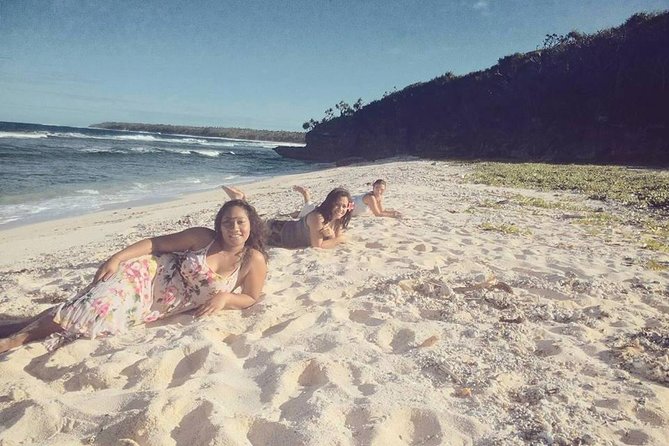
After the history and stones, you finally get a nature break. Stop one is Anahulu Beach, described as tucked away from city life noise, with fewer people around. You’ll have about one hour here.
The practical tip matters: the tour suggests bringing your own snorkeling gear so you can enjoy the water. If you have a basic mask and snorkel, this is the time to use it. If you don’t, you may still enjoy the beach, but the experience won’t feel as complete.
Here’s the one consideration I’d flag based on real-world feedback: beaches can vary day-to-day. The sand and water conditions can make walking around less comfortable, and some visitors find the ground harder to move on than they expected.
If you’re flexible—okay with a little unevenness and you’re paying attention to where you step—you’ll likely appreciate the quiet feel. It’s one of the few moments where the itinerary stops being “fast history” and becomes “breathe and cool down.”
Anahulu Cave: The Underground Pool (and the Caution You Should Actually Take)
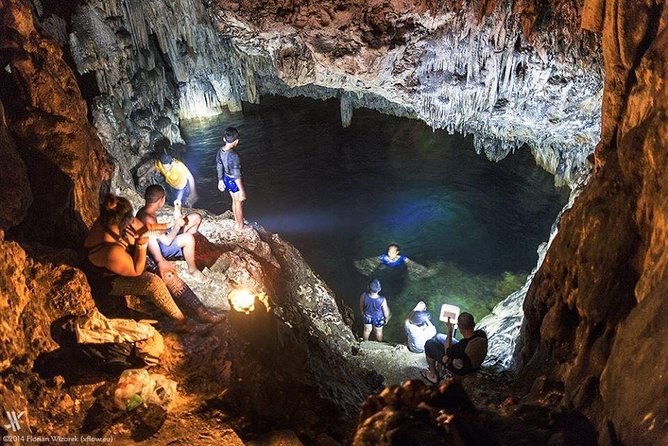
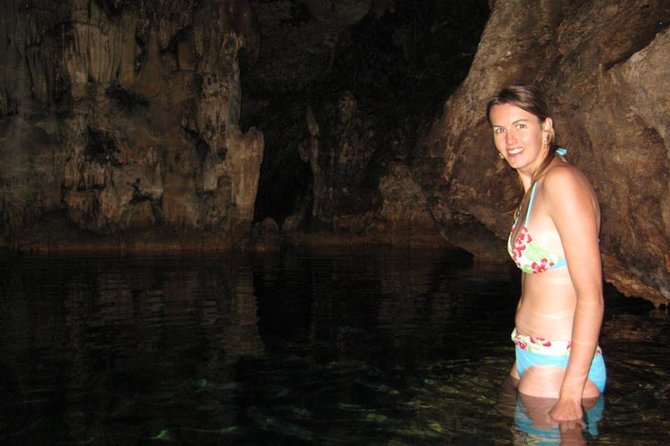
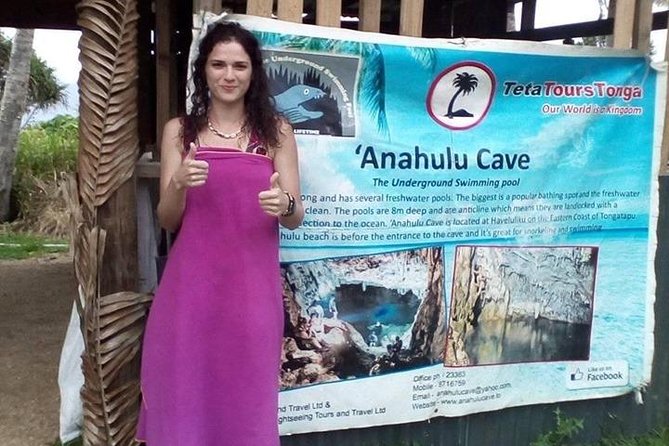
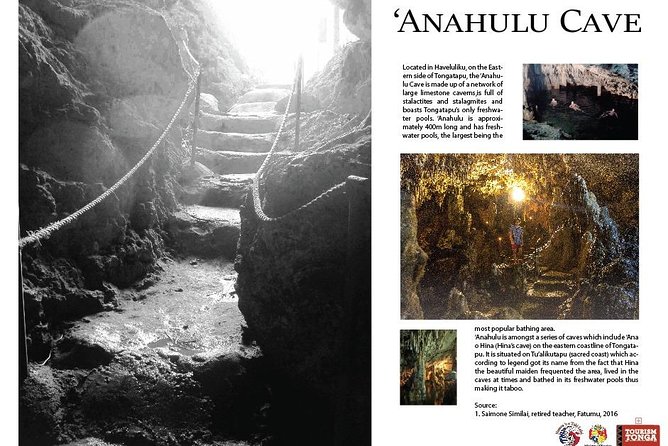
This is the headline stop for a reason. Stop six is Anahulu Cave – The Underground Swimming Pool, with about one hour on site. You’ll be accompanied into the cave by an accredited guide.
The core experience is the underground pool at the end of the cave route. The water is described as fresh and the pool is “ideal for refreshing swim” in the cave’s setting. Even if you don’t swim, the moment of seeing an underground pool after traveling outdoors gives the stop a special feel.
That said, caves come with real-world physical considerations. Some visitors have pointed out that the steps down can be wet and slippery, and that there aren’t handholds. Translation: go slowly. Don’t assume you can stroll down like it’s a normal walkway.
If you’re traveling with anyone who has balance issues, or you just know you get uneasy on slick steps, this is the place where your planning pays off. Take your time on the descent. Keep one eye on your footing, especially after rain or when the cave area is damp.
Also, because the tour includes an accredited guide, you’re not left wandering. Still, the responsibility for safe movement is yours—this isn’t a “sit back and let it happen” stop.
Price and Value: Is $71.80 Worth It?
Let’s talk money like adults.
At $71.80 per person, this is priced for a very specific kind of value: a short port-day tour with multiple named stops and included site costs. You’re not paying separate entrance fees each time you arrive. Entrance fees for included stops are handled as part of the package, and the cave stop includes the cave experience with a guide.
You’re also buying convenience. Vuna Wharf pickup and drop-off means less stress, fewer chances to miss a transfer, and a cleaner connection back to your ship schedule.
Where the value can feel different is the pace and “tour storytelling” quality. If you get a guide who explains what you’re seeing in a way that clicks for you, this tour becomes a strong deal. If the guide is having a slower start, you’ll still hit the main places—but you may wish for more context.
The other cost factor: food and drinks aren’t included. So if you know you’ll want a snack during the tour, plan for it. That doesn’t make the tour overpriced; it just means the price covers sights, not meals.
Who This Tour Suits Best (and Who Might Prefer Something Else)
This tour makes the most sense if you like a structured overview and don’t want to stress about logistics.
Great fit for:
- Cruise passengers who need a solid 3-hour plan
- People who enjoy mixing royal sites with natural highlights
- Anyone who wants the Anahulu Cave pool experience without extra planning
Use extra caution if:
- You or your group has mobility or balance challenges. The cave descent involves wet, slippery steps with no handholds mentioned in feedback.
- You’re very sensitive to sand conditions at the beach.
- You expect long stays at each location. This is fast and efficient, not slow and museum-like.
Also, if you travel with service animals, it’s allowed. Children must be accompanied by an adult, and the tour says most travelers can participate—but you’ll still want to think practically about cave access and careful footing.
Should You Book This Tongatapu East Coast and Anahulu Cave Tour?
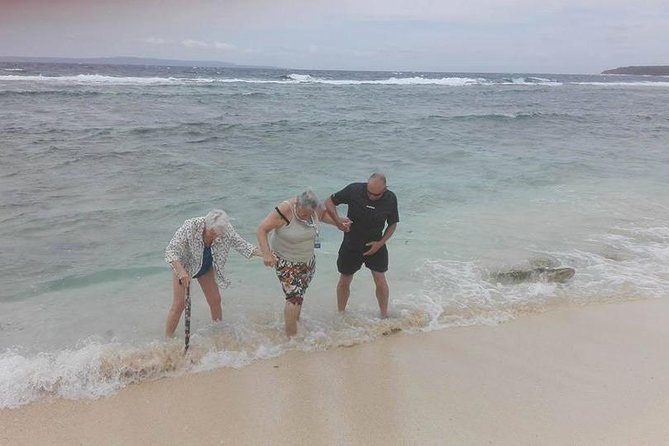
My take: I’d book it if you want a confident Tongatapu overview plus a real nature highlight in one tidy package. The combination of royal sites, Captain Cook’s landing context, and the Anahulu Cave underground pool is a strong mix for limited port time. The included entrance fees add real value, and the small group size keeps it from feeling like a cattle call.
I’d hesitate if your priority is long, relaxed sightseeing or if your group can’t handle damp, slippery steps. In that case, you might prefer a plan that spends more time in one area.
If you do book, show up ready to walk a bit, bring snorkeling gear for the beach if you have it, and ask your guide questions—this is the kind of tour where your curiosity makes the difference.
FAQ
How long is the 3-Hour Tongatapu East Coast and Anahulu Cave Tour?
The tour lasts about 3 hours.
What’s included in the price?
You get a local driver/guide, port pickup and drop-off at Vuna Wharf, and the tour includes Anahulu Beach and Anahulu Cave (with entrance included). Food and drinks are not included.
Where does the tour start and end?
The experience starts at Vuna Wharf and ends back at the same meeting point.
What’s the group size limit?
This tour has a maximum of 15 travelers.
Is there swimming time at Anahulu Cave?
Yes. The cave stop is described as an underground swimming pool, and you have about one hour there with an accredited guide.
Is snorkeling gear recommended?
Yes. For Anahulu Beach, the tour suggests bringing your own snorkeling gear.
Is free cancellation available?
Yes. You can cancel for a full refund up to 24 hours before the experience’s start time.