REVIEW · OSAKA PREFECTURE
Kyoto private tour (Shore excursion available from Osaka or Kobe port)
Book on Viator →Operated by ALL STAR OSAKA WALK · Bookable on Viator
Kyoto in one day can work. This private shore excursion strings together Kyoto’s biggest hits with smooth guide-led timing and hotel or port pickup, so you’re not wasting your limited daylight.
What I like most is the undivided attention of a licensed guide, plus the way the day hits multiple top landmarks efficiently without feeling like a sprint.
One thing to keep in mind: transport isn’t included in the price. You’ll likely pay for trains, taxis, or a private van on the day, and in Kyoto that cost (plus walking) can shape the experience.
In This Review
- Key things that make this Kyoto day tour worth your time
- Why Kyoto’s top sights fit into an 8-hour day
- Meeting your licensed guide at Osaka or Kobe port
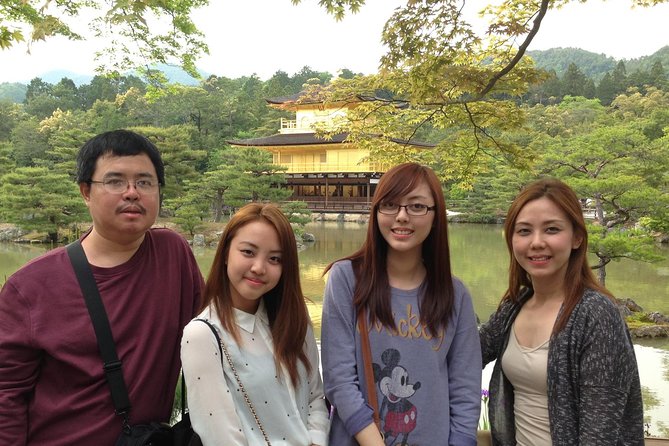
- Stop 1: Kinkakuji Temple (Golden Pavilion) in 50 minutes
- Stop 2: Sanjūsangendō Temple and its 1,001 statues (40 minutes)
- Stop 3: Tatsumi Daimyojin Shrine in the Gion area (10 minutes)
- Stop 4: Gion—tea houses, geiko/maiko, and old-street atmosphere
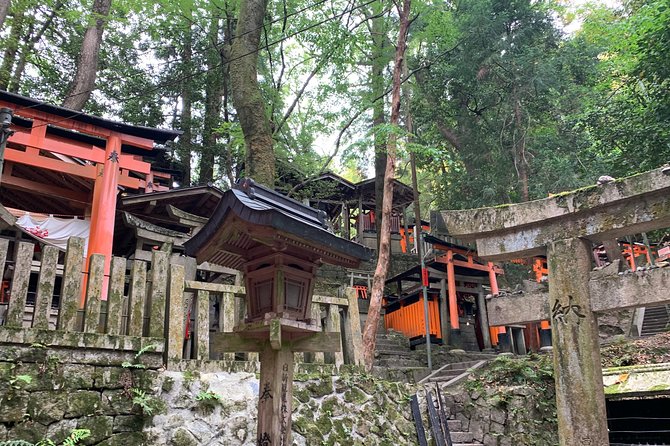
- Stop 5: Fushimi Inari Taisha—red torii gates with time to walk (50 minutes)
- Lunch and the pacing advantage of a private guide
- Getting around: what transport costs change in real life
- What you can customize without losing the Kyoto highlights
- Who this Kyoto private tour is best for
- Should you book this Kyoto private tour?
- FAQ
- What’s included in the Kyoto private tour price?
- Do I need to pay entrance fees separately?
- Is transportation included in the price?
- Where does the guide meet us?
- How long is the tour?
- Is this tour private for my group?
Key things that make this Kyoto day tour worth your time
- Private guide for your group: you can ask questions and adjust pacing on the spot
- Port-to-Kyoto convenience: pickup starts from Osaka/Kobe port or your accommodation
- Big-ticket temples in one day: Kinkakuji, Sanjūsangendō, Gion, and Fushimi Inari
- Lunch and entry fees included: you don’t have to chase tickets for the main stops
- Guide experience shows up in details: punctual, patient, and good English have been repeatedly praised
Why Kyoto’s top sights fit into an 8-hour day
Kyoto is huge, and first-time days can turn into a blur of taxis, wrong turns, and lines you didn’t plan for. This tour’s real value is that it takes the heavy lifting off your plate: you start at 9:00 am, you get picked up where you actually are (hotel or Osaka/Kobe port), and you return there when the day ends. That alone helps you keep your sanity.
You’re also getting a smart “Greatest Hits” blend. You’ll see the Golden Pavilion for instant Kyoto wow-factor, then switch to a temple hall packed with exactly 1,001 Buddhist statues, then move into the geiko/maiko world of Gion, and finish with the famous thousands of vermilion torii gates at Fushimi Inari Taisha. In one day.
The time math matters. You’re not lingering for hours at each site, but the schedule is built around short, focused visits. That’s ideal if you only have one day and you’d rather see variety than commit to one neighborhood.
Meeting your licensed guide at Osaka or Kobe port
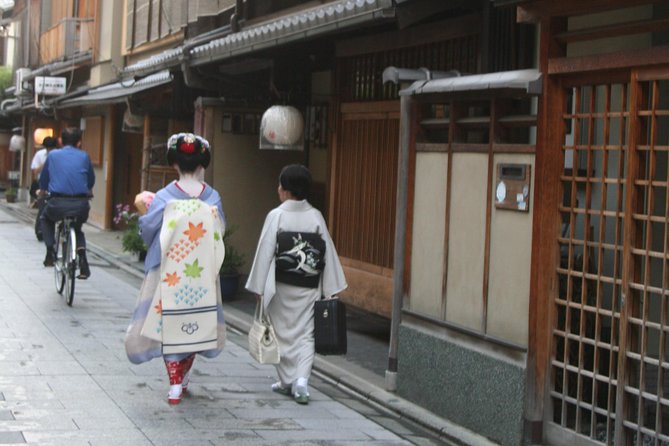
If you’re on a cruise, your biggest enemy is timing. One late shuttle, one missed departure, and your day can collapse fast. This tour is designed for that reality: the guide meets you at your hotel or at the port, and the itinerary adjusts if docking or departure timing changes.
You’ll also feel the difference between a generic group bus and a private pickup. In the feedback I saw, guides like Keiko and Kaori were praised for meeting people promptly right after disembarking. Guides also came across as calm and organized when logistics got tricky, which matters more than it sounds.
A licensed guide also changes what you notice. Instead of just looking at pretty things, you’re more likely to understand why they matter—like the religious role of specific sites, or what to watch for in shrine and temple design. That kind of context makes the photos better too, because you’re pointing at something with meaning, not just something scenic.
Stop 1: Kinkakuji Temple (Golden Pavilion) in 50 minutes
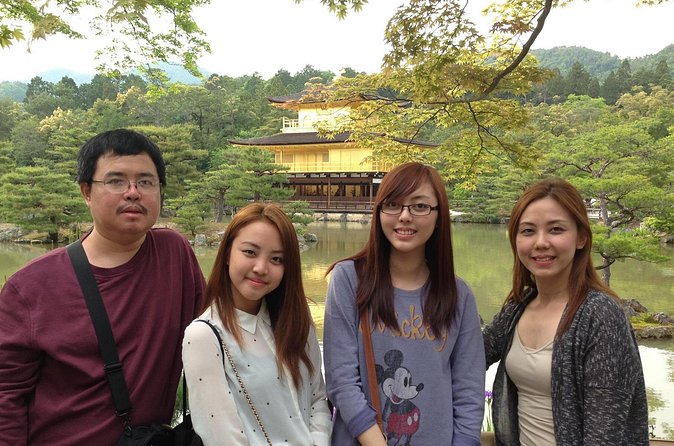
Kinkakuji is one of those places where you get why Kyoto gets called beautiful—fast. The schedule gives you about 50 minutes, including time to enter and wander at a comfortable pace. The main idea here is to see the temple building for the full “wow,” then take a slower walk around the viewpoints that let the pavilion sit in the scene like a painting.
What to pay attention to:
- The way the pavilion’s gold catches the light from different angles
- The visual balance between temple, pond reflection, and surrounding landscaping
- Where you stand to get the cleanest view without fighting for position too long
A practical note: Kyoto temples can have crowd patterns. With only 50 minutes, you’ll want to arrive ready to move. If you’re someone who needs time to reset, this stop is still doable, but you’ll likely want to keep your expectations “focused,” not “wandering all afternoon.”
Stop 2: Sanjūsangendō Temple and its 1,001 statues (40 minutes)
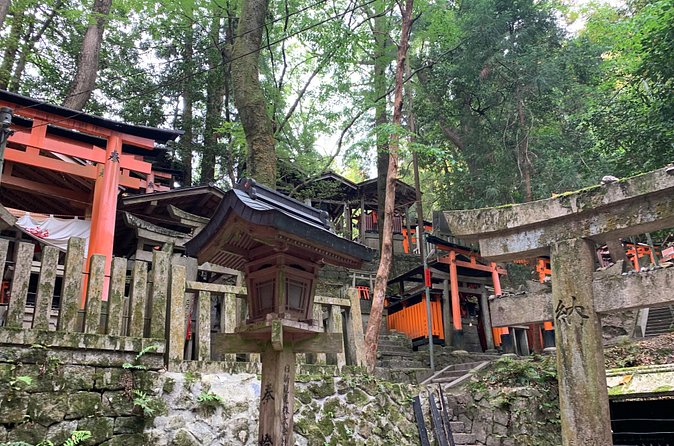
Next you’ll head to Sanjūsangendō, famous for a long wooden hall filled with 1,001 Buddhist statues. The schedule gives you around 40 minutes, which is just right for this kind of experience: enough time to take in the scale, notice the rhythm of the figures, and get a few solid photo moments without feeling rushed out.
Here’s why this stop works on a first-time Kyoto day:
- It’s a completely different mood from Kinkakuji
- The visual effect is immediate—you don’t need background knowledge to be impressed
- It’s a quieter, more contemplative contrast before the street atmosphere of Gion and Fushimi Inari
The “long hall” aspect also means comfort matters. If you’re sensitive to being indoors with crowds, bring your patience. But if you like details, this is the stop where you can spend those details-hunting minutes.
Also, the entrance fee is covered, so you can spend your thinking energy on the experience—not ticket math.
Stop 3: Tatsumi Daimyojin Shrine in the Gion area (10 minutes)
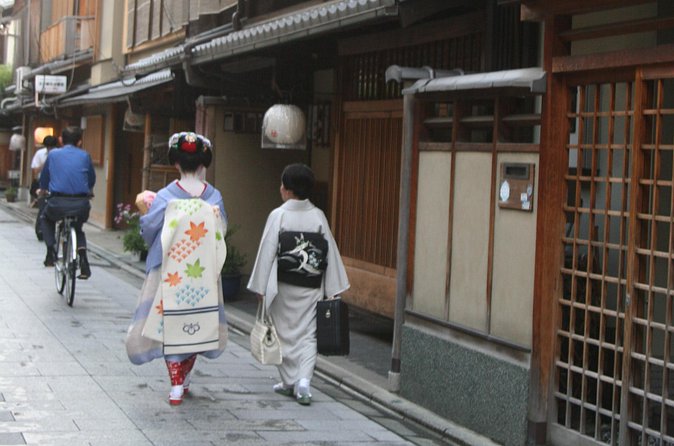
This is the short one on purpose: about 10 minutes at Tatsumi Daimyojin Shrine, where you’ll find a strong connection to the Gion geisha district vibe and a good photo backdrop.
This stop is useful because it sets the tone. You’re not jumping straight into Gion streets and hoping you’ll understand what you’re seeing. Instead, you get a quick shrine moment that anchors the cultural setting.
The trade-off: it’s brief. So if you’re the type who loves lingering at small shrines, treat this as a quick “taste,” then let Gion be your main focus.
Admission here is free, which is a nice little bonus inside a packed day.
Stop 4: Gion—tea houses, geiko/maiko, and old-street atmosphere
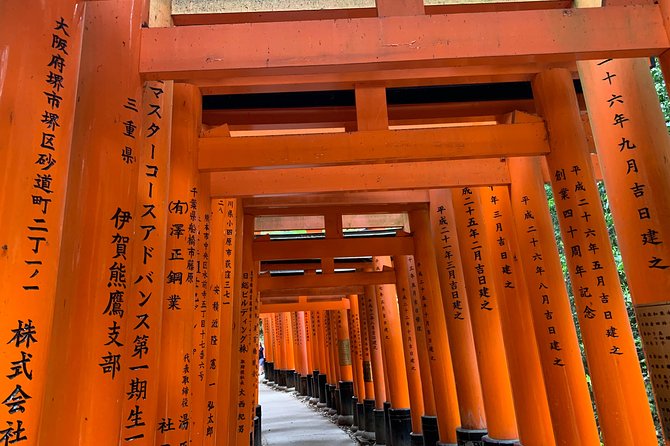
Gion is where Kyoto stops being mostly temples and becomes a living street world. You’ll spend about 30 minutes here, which is enough time to walk the old tea-house areas, get a feel for the district, and—if you’re lucky—see geiko or maiko.
Two things I find smart about including Gion in a first-day plan:
- You get a Kyoto identity beyond architecture: people, customs, and street rhythm
- You’re likely to catch that evening-leaning mood where the district feels extra cinematic
What you should do with your time:
- Keep moving at a comfortable pace and don’t aimlessly zigzag
- Look for traditional streetscape details—signage, wooden facades, and the way lanes narrow
- If you’re trying to photograph, do it respectfully and keep your area of focus tight
One reality check: in Kyoto, the famous scenes can be busy. A guide can help you choose where to stand and where not to, and private time means you aren’t stuck waiting behind a mass of strangers for the same photo angle.
Admission is included for this portion, and that helps keep the day’s budgeting smooth.
Stop 5: Fushimi Inari Taisha—red torii gates with time to walk (50 minutes)
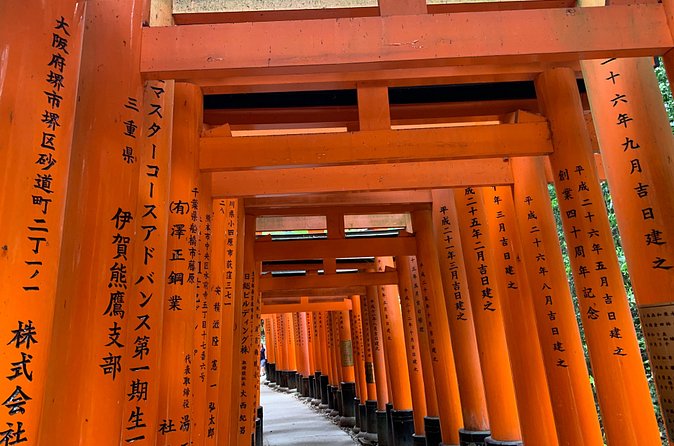
Fushimi Inari Taisha is your grand finale, and it’s a big one. You’ll get about 50 minutes, and you’ll walk through the famous vermilion torii gate tunnel—so iconic it’s often listed as Japan’s top spot on major travel sites.
Why 50 minutes works:
- You can experience the gate tunnel without burning your whole day
- You’ll still have time to pause for photos and take in the atmosphere
Why to be strategic:
- The torii climb can tempt you to keep going and going
- Kyoto walking adds up fast, especially if you’ve already done temple stairs
If you want the best blend of views and energy, aim for a point that feels like a milestone, then turn back. That way you avoid the classic mistake: thinking you’ll go “just a little farther,” and then realizing you’re late for the rest of the schedule.
Moderate physical fitness is enough for this plan, but you should expect walking—especially in the Inari area.
Lunch and the pacing advantage of a private guide
Lunch is included, along with one soft drink. And yes, included meals can be hit-or-miss on some tours. Here, what makes it better is the guide-driven planning. In the feedback I saw, guides sometimes chose enjoyable, casual Kyoto options—like conveyor-belt sushi—because it’s easy when you’re on a tight schedule and you want something local without a complicated wait.
A private guide also helps pacing in a way group tours can’t. With just your group, you can slow down if the crowd pattern gets annoying, or speed up if you feel good and want to catch light at the next stop.
It also shows up when plans shift. One theme in the guide feedback was patience—staying flexible when time ran a bit long and still making sure you got a strong set of experiences.
And on top of that, a few guides were noted for thoughtful touches at the end, like a small homemade gesture. Not something you should expect every time, but it speaks to the human side of the guide service.
Getting around: what transport costs change in real life
Here’s the practical part that can make or break your value for money: transportation fees are paid on the day.
You have options:
- Public transport: around 7,000–9,000 yen per person
- Private van charter: from around 80,000 yen per party (up to 8 people)
- JR Rail Pass holder: around 6,000 yen per person
The tour recommends a private van if you’re expecting long walking distances. That makes sense because Kyoto is a city where “short hops” can still involve stairs, crossings, and blocks that feel longer in heat.
So when does a van feel worth it?
- If your group is 4–8 people and you want less walking
- If someone in your group moves slowly or gets tired quickly
- If it’s hot or rainy and you’d rather trade cost for comfort
When public transport makes sense:
- If your group is small, active, and comfortable moving through stations
- If you’re okay with a bit more time shifting between legs of the day
In plain terms: the base tour price covers the guide and the core cultural stops. Transport is your “choose your comfort level” variable.
What you can customize without losing the Kyoto highlights
The day is built around specific stops, but you’re not locked into a robot route. You can choose transportation method at booking, and your guide can adjust pacing based on how you’re feeling.
Where customization tends to pay off most:
- If you have a must-see focus like extra temples or a particular neighborhood mood
- If you want a more photo-friendly path during Fushimi Inari or Gion
- If you care about seasonal moments and want a guide who can steer you toward a matching spot
In the guide feedback, people were happy when guides added extras requested—like cherry blossom timing when it was in season, or additional temples beyond the standard set. That’s a big reason private can beat standard group tours: you’re not just checking boxes, you’re shaping a day that fits your interests.
Who this Kyoto private tour is best for
This is a smart fit for:
- First-time visitors who want multiple Kyoto icons in one day
- Cruise passengers starting from Osaka or Kobe port who need a guided plan with pickup
- Couples or small groups who want a guide who can answer questions and keep things organized
- People who prefer a calm, controlled itinerary over hopping on and off buses all day
It’s also a good choice if you like having built-in time blocks—Kinkakuji, Sanjūsangendō, Gion, Fushimi Inari are all timed so you don’t end up with a chaotic schedule.
It may be less ideal if:
- You want to linger for hours at one single temple
- You hate paying extra for local transport on top of the tour price
- Your group wants zero walking—this day involves walking, especially around the Inari torii gates
Should you book this Kyoto private tour?
If you only have one day in Kyoto, I think this tour is worth serious consideration. The big reason is structure: port or hotel pickup, a licensed guide, key sites that are easy to explain and easy to love, and entrance fees covered for the main cultural stops. In other words, you’re paying for time efficiency and peace of mind.
Book it if you:
- Want Golden Pavilion + Gion + Fushimi Inari without planning every train transfer
- Like the idea of a guide who’s patient and good at pacing
- Are okay paying the on-day transport variable (which is normal in this setup)
Skip it (or switch approach) if you’re traveling very budget-tight and want everything included, or if you’re the type who needs long, slow temple hours and quiet corners.
If you match those preferences, you’re likely to walk away feeling you saw the Kyoto people actually come to see, not just the Kyoto that’s convenient from a bus route.
FAQ
What’s included in the Kyoto private tour price?
The tour includes lunch and 1 soft drink, a national licensed guide, pickup at your hotel or port, and the entrance fees.
Do I need to pay entrance fees separately?
Entrance fees are included for the temple/shrine stops on this route. One stop listed (Tatsumi Daimyojin Shrine) is free.
Is transportation included in the price?
No. You pay transportation on the day. The estimate is about 7,000–9,000 yen per person using public transport, or around 80,000 yen per party for a private van (up to 8 people). If you’re a JR Rail Pass holder, it’s around 6,000 yen per person.
Where does the guide meet us?
The guide meets you at your hotel or at Osaka/Kobe port (for cruise shore excursions). If you’re arriving by cruise, you should clarify the port name.
How long is the tour?
It runs for about 8 hours, starting at 9:00 am and ending back at the meeting point.
Is this tour private for my group?
Yes. It’s a private tour/activity, and only your group participates.