REVIEW · JAKARTA
Jakarta Port: Private Guided City Highlights Shore Excursion
Book on GetYourGuide →Operated by Jogja Borobudur Tour & Travel · Bookable on GetYourGuide
Jakarta hits you fast—especially on a cruise day. This private shore excursion packs Dutch-era old town, Glodok Chinatown, and the working waterfront of Sunda Kelapa into one tidy route, guided in English from the moment you step off the ship.
I really like the built-in comfort and time savings. You get pickup and drop-off at the port, plus an air-conditioned minivan and mineral water, so you’re not burning your energy hunting transport or paying extra for basic stuff.
The main drawback to consider is that guide experience can vary, and some days can affect museum stops. One guide was less focused on explanations, and another Monday had museum closures, so your “highlights” may feel more like quick checkmarks than a deep history lesson depending on the day and guide.
In This Review
- Key Highlights That Matter on a Cruise Day
- From Tanjung Priok to Old Batavia: How the Port Logistics Feel
- Dutch-Era Jakarta and Fatahillah Museum: The Old Town Stop That Anchors the Day
- Glodok Chinatown and the Batavian Chinese Story (What You Gain, What You Might Miss)
- National Museum: When Jakarta Shows Its Big-Collection Side
- Sunda Kelapa Harbor: The Maritime Core of the Day
- Istiqlal Mosque and Jakarta Cathedral: Optional Stops That Can Add Big Meaning
- Price and Value: Is $86 a Good Deal for a 6-Hour Shore Tour?
- Guide Quality: How to Make Sure You Get the Explanations You Paid For
- Who This Shore Excursion Fits Best
- Should You Book This Jakarta Shore Excursion?
- FAQ
- How long is the Jakarta Port private guided shore excursion?
- Where do I meet the guide in Jakarta?
- Is there a pickup and drop-off at the cruise port?
- What language is the tour guide?
- What’s included in the price?
- What is not included?
- Do entrance fees cost extra?
- Is there free cancellation?
- Is there a pay later option?
- What if museums are closed on my cruise day?
Key Highlights That Matter on a Cruise Day
- Tanjung Priok meet-up with a name sign means less time wandering outside the terminal
- Old Batavia atmosphere at the Fatahillah Museum (Jakarta History Museum)
- Glodok (Chinatown) route with context about Batavian Chinese history
- National Museum collections spanning Hindu-Javanese bronzes to Chinese ceramics
- Sunda Kelapa Harbor: a short walk through Jakarta’s maritime past
- Optional religious landmarks like Istiqlal Mosque and Jakarta Cathedral if timing allows
From Tanjung Priok to Old Batavia: How the Port Logistics Feel
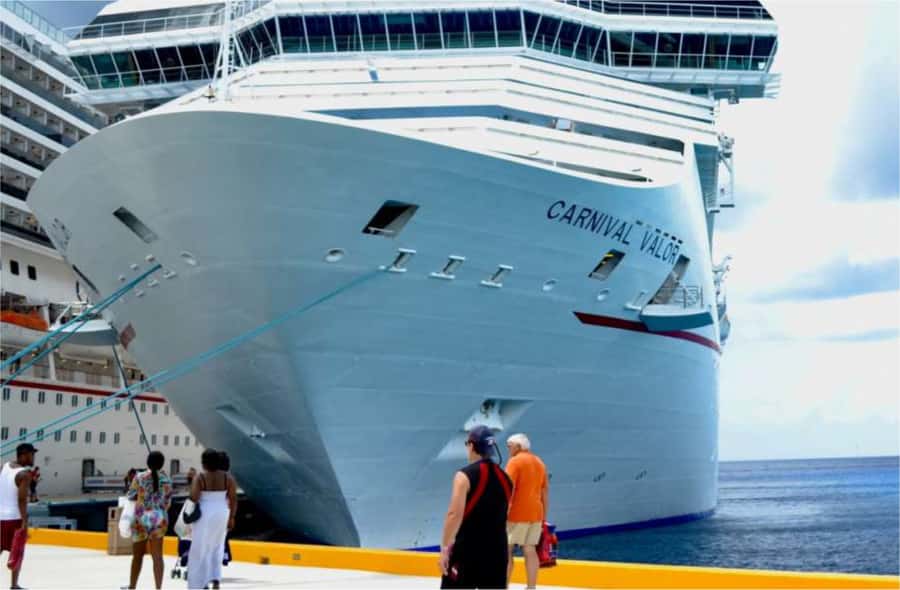
Your day starts as you exit the cruise ship at Tanjung Priok Port of Jakarta. Your guide meets you at the arrival hall, holding a sign with your name—simple, direct, and great when you’ve only got a few hours. Then you move into a comfortable, air-conditioned minivan and head straight out.
This kind of setup is exactly what you want on a shore day. Jakarta can feel spread out, and traffic can be unpredictable. With port pickup and a scheduled return to the terminal before your ship departs, you’re not improvising. You’re sightseeing.
One small practical note: this tour runs about 6 hours, and the itinerary includes multiple stops. That usually means you’ll see a lot, but you won’t linger everywhere. If you’re the type who wants one place deeply, you might have a moment of “wait, that’s it?” at a couple of quick segments.
Dutch-Era Jakarta and Fatahillah Museum: The Old Town Stop That Anchors the Day
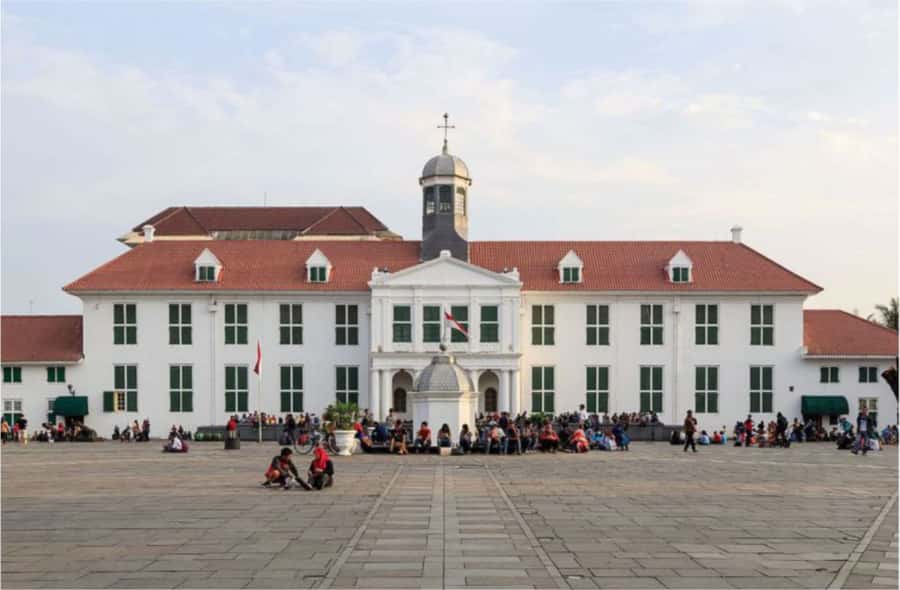
A big strength of the route is how it begins in Jakarta’s historic district. You drive through streets shaped by old colonial planning and pass 17th-century Dutch-style buildings. Even from the vehicle, you’ll start to recognize why the area is often called old Batavia—because the architecture and layout still echo that period.
Then you reach Jakarta History Museum, also known as Fatahillah Museum. The building itself is part of the story: it’s set in the former old town hall of Batavia. That matters. You’re not just reading history on a panel—you’re looking at history in the walls.
What you’ll likely notice inside is how the museum frames Jakarta as a layered city: indigenous roots, colonial administration, and later cultural changes. If you’re someone who likes to connect visuals to context, this is a solid anchor stop. And if your guide is strong on storytelling, this is where they can make the day feel cohesive instead of random.
The catch? Museum timing can vary by day. On one Monday experience, museums were closed, which reduced the amount of time you could spend at the collections. So if your cruise lands on a day with reduced hours, adjust expectations and rely on your guide to pivot smoothly.
Glodok Chinatown and the Batavian Chinese Story (What You Gain, What You Might Miss)
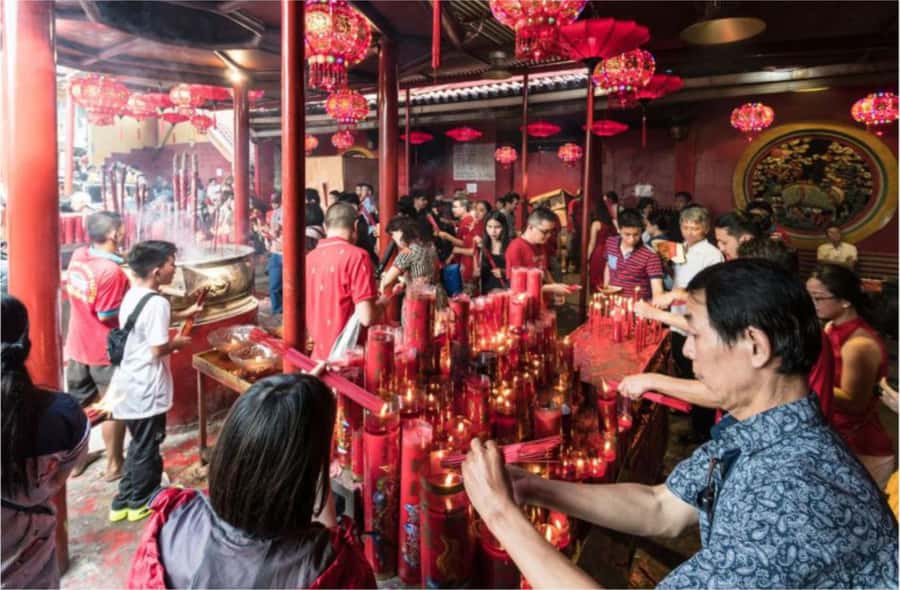
After the old-town intro, the tour heads into Glodok, Jakarta’s Chinatown. This area can feel like a world inside the city—shops, everyday activity, and a dense cultural mix you don’t get from postcards.
The value here isn’t only the sights. It’s the explanation about Batavian Chinese history. Glodok is tied to Jakarta’s trading past, and the guide’s job is to connect those dots: migration patterns, community life, and how the city’s economy shaped neighborhoods.
That said, explanation quality can swing. On one experience, the guide often needed prompting to share facts and relied more on pointing out what was in front of you than building a clear narrative. Translation: you might still see the area, but you could end up reading the room more than being taught it.
If Chinatown is a priority for you, here’s what helps: ask one or two direct questions early, like who lived here first or how this neighborhood relates to the port. Guides usually respond better when you give them a lane.
National Museum: When Jakarta Shows Its Big-Collection Side
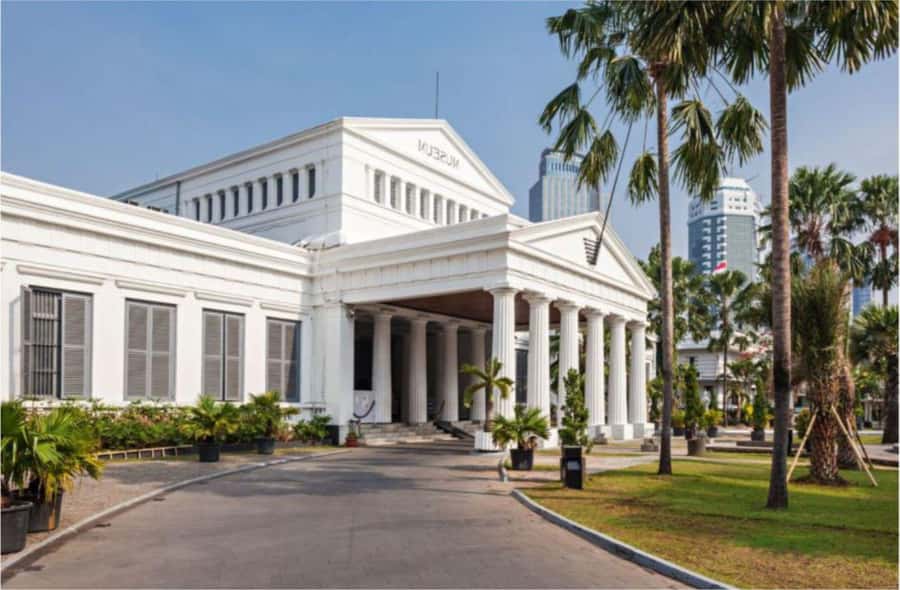
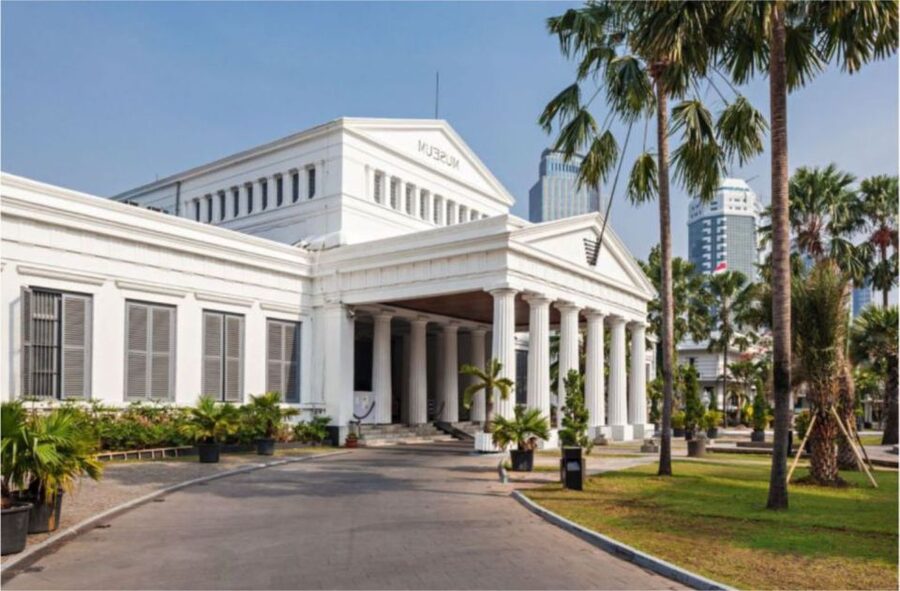
Next comes the National Museum, one of the most important stops on the itinerary for people who love artifacts. You’re there for a specific range of collections—costumes, musical instruments, model houses, and fine bronzes tied to the Hindu-Javanese period. You’ll also encounter stone pieces related to temples from Central Java, plus a strong display of Chinese ceramics.
This museum stop is where the tour can feel like more than a drive-by. The collections give you a chance to see cultural links across regions, not just local city life. It’s a good match for travelers who want Jakarta to make sense in a wider historical frame.
One caution: if your guide’s museum approach is more “point and move” than “teach as we go,” you may have to do some of the interpretation yourself. I’ve seen how a weak explanation can make even a great museum feel flat—because without context, artifacts become just objects.
If you want to maximize this stop, pick one theme before you walk in. For example: look for how Hindu-Javanese metalwork compares to later forms, or how ceramics show trade connections. Then ask your guide to point out what supports that theme. You’ll leave with a clearer story in your head.
Sunda Kelapa Harbor: The Maritime Core of the Day
The final major anchor is Sunda Kelapa Harbor. This is the point where Jakarta shifts from museums and neighborhoods to water-and-trade reality. Historically, the harbor was the heart of Jakarta’s maritime commerce. During colonial times, it was known as the Roads of Batavia and served as the main entrance to Batavia.
That’s not trivia to skip. It helps you understand why this city has always been connected to shipping, goods, and global movement. Standing near the port area (even from a route that doesn’t require you to spend hours there), you can feel the logic of the city’s layout: trade shaped neighborhoods, which shaped communities.
This stop also tends to be a good “breather.” After museum time and city streets, you get a change of pace. For photographers, it’s often easier to find satisfying scenes here than in galleries. For most people, it’s the kind of location that makes you look around and think: this is still a working city, not a theme park.
Time is the only limiter. Harbor areas can take longer if you want to walk slowly and watch activity. If you’re trying to return to the terminal without stress, keep an eye on your guide’s time cues and don’t drift too far.
Istiqlal Mosque and Jakarta Cathedral: Optional Stops That Can Add Big Meaning
If time allows, the itinerary may include Istiqlal Mosque (often described as the largest mosque in Southeast Asia) and Jakarta Cathedral, a Roman Catholic church. These aren’t just “pretty buildings.” They’re landmarks that show how Jakarta’s religious life and public culture operate side by side.
This is the kind of stop that can elevate your overall understanding of the city—especially if your earlier stops leaned more colonial and trading-focused. A mosque and a cathedral give you a different lens on what matters to people here.
The trade-off is timing. Optional stops mean you’re not guaranteed them on every schedule. If you care a lot about religious architecture, you can gently communicate that at the start—then the guide can decide where to spend the remaining minutes.
Price and Value: Is $86 a Good Deal for a 6-Hour Shore Tour?
At $86 per person for about 6 hours, the value depends on what you’d otherwise spend to make it happen. This price includes pickup and drop-off at the port, an air-conditioned vehicle, a guide, parking and toll fees, mineral water, and entrance fees.
That matters because port days are expensive in hidden ways: taxis from the terminal, parking charges, entry tickets, and time costs. Bundling all of that makes the price feel less risky. You’re paying for organization as much as sightseeing.
Two things can affect the overall value. First, how much the guide explains during the museum segments. Strong guiding turns a visit into a story you remember. Thin guiding turns it into labels you skim. Second, what’s open on your specific day. If museums are closed, you still get some of the route, but you’ll trade depth for coverage.
Still, for most cruise passengers who want a broad sweep without headaches, this is a reasonable price band—especially because you don’t have to manage logistics yourself.
Guide Quality: How to Make Sure You Get the Explanations You Paid For
One of the most important takeaways from real-world experiences is that guide performance can vary. I’ve seen a guide who was friendly and flexible but didn’t provide much history beyond pointing at signs. I’ve also seen another guide who had to be prompted for facts. In contrast, when a guide explains the context clearly, the same stops feel twice as meaningful.
If you want to protect yourself from a “read the signs yourself” day, do this:
- At your first stop, ask for the one-minute version of what you should notice.
- During the museum, ask one question about a specific artifact category you’re seeing.
- If a stop is skipped or shortened, ask what replaces it and why the schedule is changing.
Your goal isn’t to micromanage. It’s to steer your guide toward storytelling, not just navigation.
Also keep in mind that cruise timing pressure can make schedules tight. On one situation, some stops were skipped because of fear of not being back in time. That’s not unusual on shore days, but it’s a reminder to be flexible. If you have must-see priorities (like the harbor or a specific museum wing), say so early.
Who This Shore Excursion Fits Best
This tour is a good fit if you want:
- A private, guide-led route with port pickup and return
- A mix of old-city architecture, major museums, and a maritime landmark
- English-speaking guidance
- Pre-paid entrance fees and basic comforts so you can focus on sightseeing
It’s less ideal if you’re chasing a deeply academic, hour-by-hour history lecture. With only 6 hours, and with guide explanations varying, you may not get the kind of detailed museum commentary you’d hope for.
It’s also best when you like the idea of “see the big stuff” rather than “slow travel.” Jakarta is wide. This tour gives you a tight, efficient sampling.
Should You Book This Jakarta Shore Excursion?
I’d book it if you’re on a cruise and you want an organized day that hits key areas: old Batavia feel at Fatahillah, cultural context in Glodok, major artifacts at the National Museum, and the maritime backbone at Sunda Kelapa Harbor. The built-in port logistics and included entrances reduce stress, and that’s worth real money on a shore day.
I’d think twice if you’re very picky about museum narration, because guide depth isn’t guaranteed. Also check your expectations if your cruise day falls on a time when museum hours are reduced—one day had museum closures, and that can change the balance of what you’ll actually do.
If you do book, come with a simple plan: pick one or two themes you want to understand (colonial-era Jakarta, Chinese heritage in Glodok, or the museum’s Hindu-Javanese versus Chinese collections). Then ask questions. You’ll turn a crowded day into a clear set of takeaways.
FAQ
How long is the Jakarta Port private guided shore excursion?
It runs for 6 hours.
Where do I meet the guide in Jakarta?
Meet your guide at the arrival hall of Tanjung Priok Port of Jakarta. The guide brings a sign with your name.
Is there a pickup and drop-off at the cruise port?
Yes. Pickup & drop-off at the port are included.
What language is the tour guide?
The live tour guide is available in English.
What’s included in the price?
The tour includes air-conditioned vehicle, guide, parking & toll fees, mineral water, and entrance fees.
What is not included?
Lunch and the tour guide tip are not included.
Do entrance fees cost extra?
No. Entrance fees are included.
Is there free cancellation?
Yes. You can cancel up to 24 hours in advance for a full refund.
Is there a pay later option?
Yes. You can reserve now & pay later.
What if museums are closed on my cruise day?
The itinerary depends on timing and opening hours. For example, one recent experience on a Monday found museums were closed, which affected the museum time on that day.