REVIEW · SELCUK
Ephesus Shore Excursion: Private Guide and Vehicle
Book on Viator →Operated by Fez Travel · Bookable on Viator
Ephesus hits you like a time machine. This private shore excursion is built around a dedicated guide and a smooth, air-conditioned ride, so you can focus on real highlights like the Library of Celsus and the Great Theatre without getting lost or rushing.
You’ll walk through the best-preserved classical city in the eastern Mediterranean, then add the Temple of Artemis and a laid-back stop in Şirince. The main consideration: parts of the day can include quick detours to local craft or showroom stops (like carpets or leather), so if you dislike shopping side-trips, tell your guide up front and keep your priorities clear.
In This Review
- Key highlights at a glance
- Meeting at Kusadasi Port and the Drive That Gets You Oriented
- Entering Ephesus Through Magnesia Gate: Where the Story Starts Fast
- Roman Baths, Odeon, and the Photo Stops You’ll Actually Want
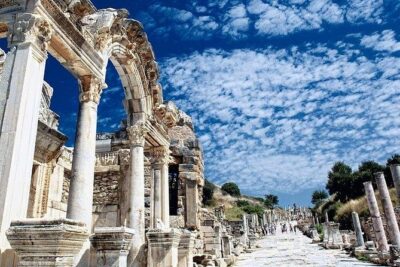
- The Library of Celsus: A Masterclass in Scale
- Great Theatre: Imagining 25,000 People Shows the Real Size
- Terrace Houses and Religious Sites: The More Human Side of Ephesus
- Temple of Artemis: One of the Seven Wonders, With a Real Sense of Loss
- Şirince Hill Town Walk: Cobblestones, Craft Shops, and Fruit Wine
- Price and Value: Is $173 Worth It on a Cruise Day?
- Timing Tips So You Don’t Feel Rushed or Overloaded
- Who This Tour Suits Best (and Who Should Pick Something Else)
- Should You Book This Private Ephesus and Şirince Shore Excursion?
- FAQ
- FAQ
- How long is the Ephesus shore excursion?
- What does the tour include for transportation?
- Is this tour private?
- Are entrance fees included?
- Does the tour include food or drinks?
- Will this tour get me back to the cruise ship on time?
- Is the tour refundable if I cancel?
Key highlights at a glance
- Private guide focus: you get expert storytelling and photo help on your own schedule
- Ephesus walking route: Magnesia Gate, Roman baths, and major monuments on foot
- Library of Celsus + Great Theatre: big names, big scale (the theatre once held 25,000)
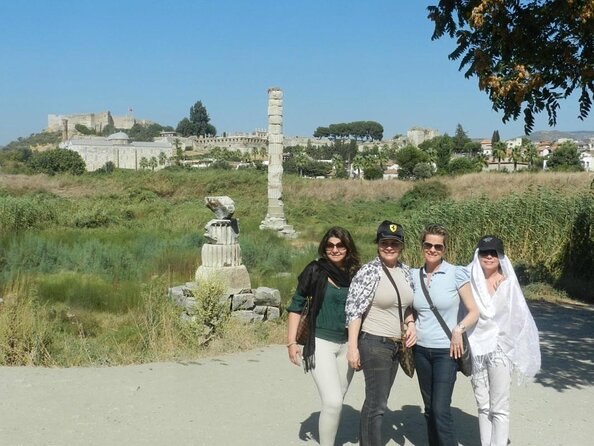
- Temple of Artemis: one of the Seven Wonders, with restored column views
- Şirince hillside town: cobbled lanes and a fruit wine tasting stop
- Worry-free ship return: guaranteed return to Kusadasi port, with backup plans if needed
Meeting at Kusadasi Port and the Drive That Gets You Oriented
Your day starts the moment your ship docks in Kusadasi. You meet your guide at the port, then slip into a private, air-conditioned minivan for the ride to Ephesus. It’s about a half-hour drive north along the Aegean coast, which matters because it gives you breathing room before the walking begins.
This is the kind of start that saves energy. Instead of hunting for buses or decoding schedules, you’re already in “go mode” with someone who knows the site and the timing. Guides in this program often tailor the day to what your group likes, and that flexibility shows up later when the order of stops can shift depending on conditions.
One more practical point: the tour is designed for cruise timing, so plan to keep your “buffer” small. The minivan pick-up and drop-off is included, and the worry-free return promise is meant to keep you from playing chicken with your ship.
You can also read our reviews of more tours and experiences in Selcuk.

Entering Ephesus Through Magnesia Gate: Where the Story Starts Fast
Once you reach the ancient city, you walk in through Magnesia Gate, a classic entrance that immediately signals you’re not just looking at ruins—you’re stepping into a planned Roman-era urban setting. With a guide, you get the big picture first: where Ephesus fits historically, what Greco-Roman architecture looked like in real use, and why the city grew into a major power hub in Asia Minor.
Then you move along marble-covered roads at a comfortable pace. That pacing is a quiet win. Ephesus is large, and without a guide you can end up zig-zagging between highlights and missing the connective tissue—what things were, who used them, and why specific buildings mattered.
This section is also where you’ll start seeing the “everyday” side of ancient Ephesus, not only monuments. You pass Roman baths and forgotten shops, and the guide can point out what you’re looking at in ways that make the place feel less like a museum floor and more like a real city.
Roman Baths, Odeon, and the Photo Stops You’ll Actually Want
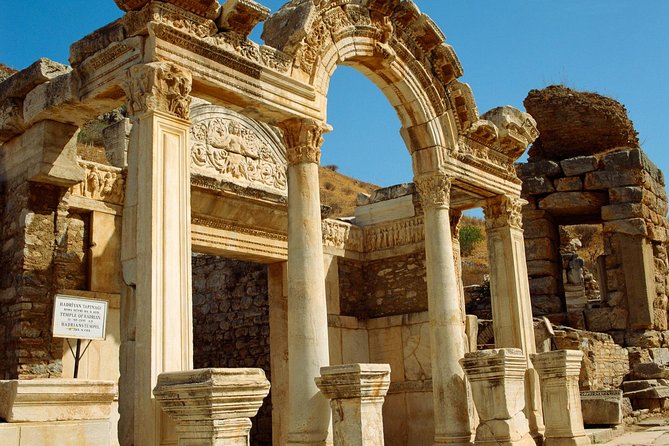
A good Ephesus day balances landmarks with context. Here, you get a sequence of major stops that keep your attention from drifting. You’ll see Odeon, Temple of Hadrian, and the Fountain of Trajan. These aren’t random stops; they’re the visual map of how civic life worked—entertainment, religion, public space, and spectacle.
The Roman baths area works especially well because it’s tangible. Even after centuries, you can still get the shape of daily routines—movement, bathing zones, and the idea that this was social as much as it was functional. The guide helps you read the ruins instead of just staring at them.
And yes, you’ll have photo moments built into the route. The key is that your guide knows where the views are strongest and how to manage the flow so you’re not constantly waiting for people to figure out where to stand.
One small caution: Ephesus walkways can be uneven in spots. Wear sturdy shoes you trust, because a shore excursion is not the time to test brand-new footwear.
The Library of Celsus: A Masterclass in Scale
If you want one monument that explains why Ephesus still stops people in their tracks, make it the Library of Celsus. This facade is famous for a reason, and seeing it in place feels different from pictures. It’s a big, designed statement—built to impress, built to last.
With a guide, you also get interpretation that brings it closer to daily life. The Library of Celsus sat inside a city that was still active and evolving when the Roman world was shaping the region. That context matters because it transforms the facade from an isolated attraction into part of a functioning urban machine.
Expect a slower moment here. This is one of those places where you naturally want to step back, look again, then walk closer for the details. The guide can also point out how to frame shots so you capture the grandeur without getting only the foreground.
Great Theatre: Imagining 25,000 People Shows the Real Size
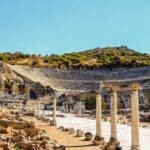
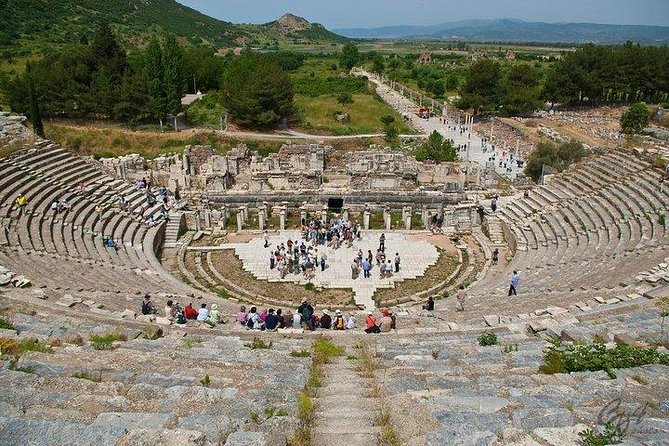
Right after the Library comes the Great Theatre, and the transition works well. From a grand civic building you move straight into a venue that once held about 25,000 spectators. That number isn’t just trivia—it changes how you process everything around you.
The theatre’s layout can be hard to picture at first, especially if you’ve never stood where speeches and performances once landed. Here, the guide helps you “place yourself” in the space, so you can imagine the sound and the audience movement.
You’ll also hear religious context tied to early Christianity in Ephesus. Your guide may explain how St. Paul preached sermons or assembled here. Even if you’re not there for the religious angle, it adds meaning. It’s one more reason this theatre feels like a living chapter of the city, not only an architectural relic.
You can also read our reviews of more private tours in Selcuk

Terrace Houses and Religious Sites: The More Human Side of Ephesus
Ephesus isn’t only big stone monuments. You also get the chance to see places that feel more personal and lived-in. Depending on the exact schedule, you may visit the Terrace Houses, often described as the homes of the rich, where mosaics and frescoes help you picture daily taste and wealth.
You may also visit the serene area believed to be the final residence of the Virgin Mary, plus ruins connected to a basilica of St John. These stops tend to slow the day down in a good way. The atmosphere feels quieter than the main ruins, and it gives your brain a break from the high-impact highlights.
There’s a reason this part of the route gets praised: it rounds out what Ephesus really was. You’re not only looking at public life; you’re seeing hints of private life and spiritual significance.
Keep in mind the order of activities can change. On cruise days, that’s normal, and it usually helps the schedule.
Temple of Artemis: One of the Seven Wonders, With a Real Sense of Loss
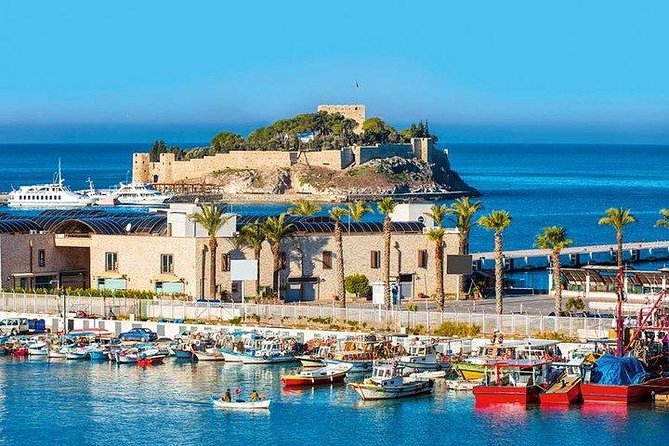
Then you switch from city life to one of the ancient world’s biggest cultural statements: the Temple of Artemis. This is where the day earns its biggest “wow” title. You’ll see restored column elements, and the guide can explain the temple’s long, complicated history.
The temple site dates to around 550 BC, and it was reconstructed on three separate occasions before being destroyed in 401 AD. That timeline helps you understand why what you see today is different from what once stood here. It’s not a perfectly preserved building. It’s an archaeological reminder of how powerful ideas can outlast empires.
If you’ve only seen Artemis in photos, seeing it in the context of Ephesus makes the story stronger. You go from a Roman city to a landmark of pan-regional importance—religion and identity on a huge scale.
And since the site is a designated stop, you’re not left wondering if you picked the right route. Your guide gets you there and talks you through what you’re looking at.
Şirince Hill Town Walk: Cobblestones, Craft Shops, and Fruit Wine
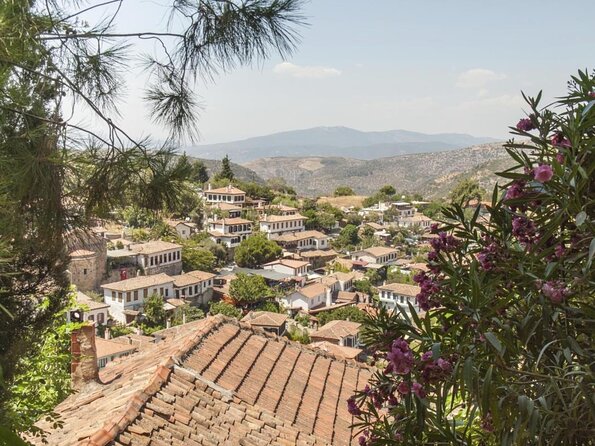
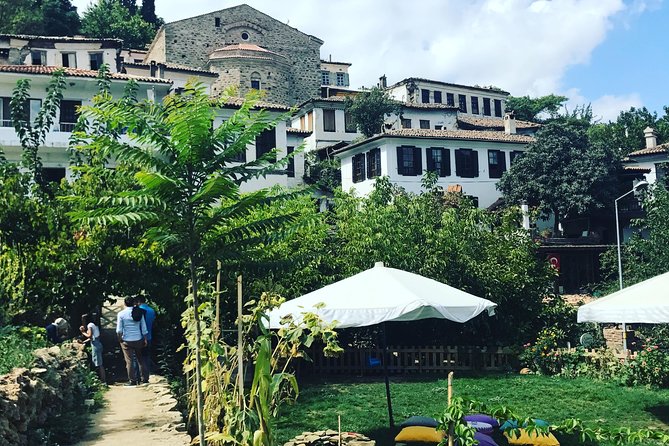
After Ephesus, the excursion heads up to Şirince, a hillside town known for its traditional feel and old-street atmosphere. This stop works because it slows everything down. You walk through cobbled streets lined with craft shops and food stalls, and your guide shares what the place is like now and how it ties to its Greek settlement past.
The mood in Şirince is also a nice contrast to the intensity of ruins. In one place you’re imagining crowds from the ancient world; in the next, you’re tasting local products and people-watching.
A key moment here is the fruit wine tasting at a winery, a local specialty. This is the kind of souvenir-meets-experience stop that doesn’t feel like a random interruption—if you’re in the mood for it, it’s fun. If you’re not, you still get the atmosphere and the wandering time.
And it’s not always packed at the same intensity. Some guides have a way of choosing timing, and on the day you go, you may find the town more relaxed than expected.
Price and Value: Is $173 Worth It on a Cruise Day?
At $173 per person for about six hours, the value comes down to what you’re buying: time, convenience, and expert guidance. You’re paying for port pickup and drop-off, private air-conditioned transport, and a professional guide. You’re also paying for the worry-free structure designed to protect your cruise schedule.
For many people, the private format is the real win. You’re not squeezed into a large group plan. Your guide can steer you through the flow, keep your pace comfortable, and focus on the monuments you care about most.
Also, entrance fees are not included, so budget for ticket costs separately. Parking fees are not included either. That said, the guide-led time at the big-ticket sites is usually where a shore excursion saves you stress.
One more value factor: this day mixes ancient highlights with a real change of scenery in Şirince. If all you want is stone monuments, you might feel the day is busy. If you want a full package that still feels human, this format tends to land well.
Timing Tips So You Don’t Feel Rushed or Overloaded
A cruise shore day is all about managing energy. Here are the practical moves I’d use in your shoes:
First, wear comfortable clothes you can walk in and shoes with grip. Ephesus is walkable, but the ground can be uneven.
Second, be ready for schedule tweaks. The order of activities can be modified, and weather can affect pacing. If rain hits, your guide may adjust the flow so you still get key stops.
Third, if you strongly dislike shopping side-trips, set expectations early. In this kind of private format, some days can include carpet demonstrations or leather factory-style stops. I’ve seen both ends of that experience: one day felt like an interesting cultural interruption with no pressure, and another day felt like too much time spent on vendors. A quick conversation at the start can steer the tone.
Finally, keep water and snacks in mind. Food and drinks aren’t included unless specified, so plan for your own needs unless you know the tour gives specific meal support.
Who This Tour Suits Best (and Who Should Pick Something Else)
This excursion is a great fit if you want:
- A guided Ephesus walk where the city layout and key monuments make sense
- A schedule that respects cruise timing, with the worry-free return focus
- A blend of ruins plus a real cultural town stop in Şirince
It’s less ideal if you want a purely monument-only experience with zero detours. The presence of local craft/vendor stops has been a mixed bag depending on the day and the guide style. Also, if you hate walking for long stretches, you’ll need to pace yourself carefully in Ephesus.
Kids can do well with the right guide approach. Some guides are patient with children and will add context without making it a boring lecture.
Should You Book This Private Ephesus and Şirince Shore Excursion?
If you’re debating whether to do Ephesus with a private guide versus trying to DIY it, I’d lean private for most cruise travelers. The combination of major ruins, clear interpretation, and a ship-return promise makes the day feel controlled. And guides like Erman, Begu, Char, Serdar Karakas, and Metin have shown that the human side of the tour can be a big part of why it works—clear explanations, a friendly pace, and the ability to answer questions without sounding like a script.
Book it if you want your time in Ephesus to feel meaningful, not stressful. Consider another option if you’re strongly anti-shopping and would prefer only archaeological stops with minimal vendor detours.
FAQ
FAQ
How long is the Ephesus shore excursion?
It’s about 6 hours, designed as a shore excursion from Kusadasi port.
What does the tour include for transportation?
You get port pickup and drop-off plus transport by a private, air-conditioned minivan.
Is this tour private?
Yes. It’s a private tour/activity, and only your group will participate.
Are entrance fees included?
No. Entrance fees aren’t included, and parking fees also aren’t included.
Does the tour include food or drinks?
Food and drinks aren’t included unless specified. You will have a fruit wine tasting stop in Şirince.
Will this tour get me back to the cruise ship on time?
It’s covered by Viator’s worry-free policy, which guarantees on-time return to Kusadasi port. If your ship has disembarked, they will arrange transportation to the next port-of-call.
Is the tour refundable if I cancel?
This experience is non-refundable and cannot be changed for any reason. If it’s canceled due to poor weather, you’ll be offered a different date or a full refund. If it’s canceled because a minimum number of travelers isn’t met, you’ll be offered a different experience/date or a full refund.